
Effects of child abuse and neglect
Attachment and interpersonal relationship problems

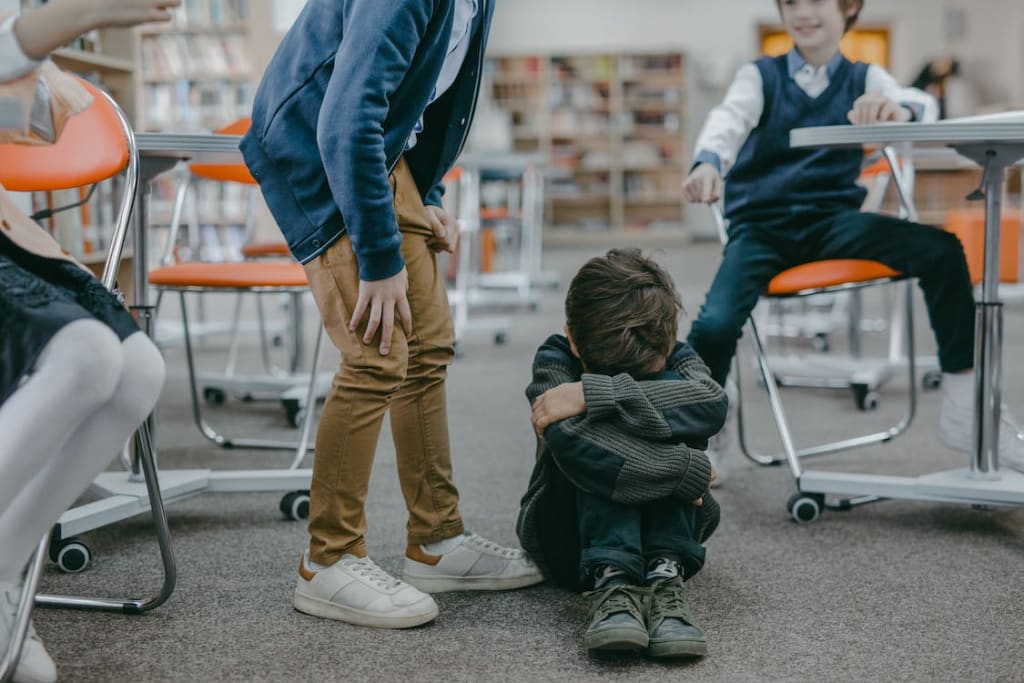
Child abuse:
Child abuse occurs when the person responsible for the child hurts his or her feelings or body, with or without cause, and can happen to boys or girls inside or outside the family.
Feelings of hurt (or emotional shock) resulting from abuse persists for a long time, and that abuse is not just physical violence directed against a child, but any form of abuse by an adult responsible, who is violent or threatens the child, in general, and this of course includes neglect.
Indeed, when child abuse occurs at home and the aggressor is, for example, the child's father, this is considered a form of domestic violence, but children are sometimes abused by other adults who depend on them, such as nursery workers, teachers and sports coaches.
Sometimes abuse is intentional, but not always, if parents or caregivers are no longer able to handle child care, it can lead to misconduct and abuse.
Effects of child abuse and neglect:
Child abuse and neglect can affect all areas of development, physical, psychological, emotional, behavioral and social, all of which are interrelated.
There are a number of potential consequences of child abuse and neglect, and those serious consequences are widely associated with all types of abuse.
Attachment and interpersonal relationship problems:
Abused and neglected children and infants are more likely to have insecure or disorganized attachment problems with their primary caregiver, such as the father and mother, as attachment patterns between the child and their caretaker are critical to a child's early emotional and social development.
For children with unsafe relationships, a "responsible" parent, who should be the primary source of safety, protection and comfort, may become a source of danger or harm without safety and support from their primary caregiver.
Children and infants may find it difficult to trust others when they are in trouble, such as ill-treatment such as beatings, which can lead to ongoing experiences of anxiety or anger.
Insecure attachment hinders children's normal developmental process, which can severely affect a child's ability to communicate, interact with others and form healthy relationships throughout their lives.
Literature reviews have reported that child abuse is associated with close relationships in childhood and adolescence.
Learning and growth problems:
Strong associations have been made between child abuse and learning difficulties or poor academic achievement, and abuse and neglect in the early years of life can seriously affect infants' developmental abilities, especially in critical areas of speech and language.
Future research studies have consistently shown that abused children have lower educational attainment than other groups of children, in an analysis by Feltman and Brown (2001), where 31 out of 34 studies (91%) indicated that abuse and Neglect was associated with poor academic achievement.
However, the authors acknowledged that studies linking child abuse and neglect to learning problems are problematic because most studies do not know children's intellectual status before abuse.
So, a more recent longitudinal study of abused children in the United States found that abuse negatively affected math outcomes.
The type of abuse negatively affected reading scores, but high intelligence and daily living skills (e.g., ability to dress, ability to perform household tasks) were protective factors against poor performance in math and reading.
A disorder, including anorexia and overeating behavior (bulimia), may be associated with child abuse and neglect (Brewer Ton, 2007).
Youth suicide:
Research suggests that abuse and neglect significantly increase the risk of suicidal ideation and attempted suicide in young people, and a systematic review by Evans et al. (2005) found that there is a strong link between physical and sexual abuse and attempted suicide.
Similarly, a study has demonstrated that although all forms of abuse are associated with adolescent suicidal ideation and suicide attempts, child sexual abuse and emotional abuse may be more important than physical abuse or neglect.
Abuse of alcohol and other drugs:
The psychological effects of child abuse and neglect can often lead to alcohol and drug abuse problems in adolescence and adulthood, and evidence suggests that all types of child abuse are closely associated with higher levels of drug abuse (tobacco, alcohol and illicit drugs).
Behavioral problems:
Researchers found that child abuse and neglect are associated with behavior problems in childhood and adolescence, and the earlier children are abused, the more likely they are to experience behavioral problems in adolescence.
Aggression, violence and criminal activity:
In addition to feeling pain and suffering, children prone to abuse and neglect are at increased risk of inflicting pain on others and developing aggressive and violent behaviors in adolescence.
Physical health problems:
Research on the impact of child abuse and neglect on overall physical health has largely focused on outcomes in adulthood; however, data from longitudinal studies on child abuse and neglect have indicated.
A common form of abuse that affects children's health is baby shaking syndrome, which includes health problems caused by child tremor syndrome, brain damage, spinal cord injuries, hearing loss, speech difficulties and even death.
Teen pregnancy:
The serious consequences of teenage pregnancy and risky sexual activity may be associated with experiences of abuse and neglect at a young age, with research linking continued teenage pregnancy to experiences of sexual abuse.
Displacement:
Research suggests that children and young people may experience homelessness or housing instability as a result of abuse and neglect at zero, homelessness is more likely to occur in adulthood.
Young people who are taken away from their parents' care due to abuse or neglect may also face homelessness and unemployment shortly after leaving home.
Lack of social support networks and poor academic achievement often contribute to the difficulties young people face in finding decent housing and employment.
Fatal abuse:
The World Health Organization (WHO) has estimated that 31,000 deaths occur among children aged 15 and under worldwide each year (WHO, 2010) due to child abuse, the use of violence and sharp objects.
About the Creator
Keep reading
More stories from reda hamouda and writers in Families and other communities.
Violence between spouses.. Causes and solutions
What is domestic violence? Domestic violence is a serious issue that affects millions of people across the globe, and spousal violence is one of its most common forms. Spousal violence occurs when one partner in a marriage or long-term relationship uses physical, emotional, sexual, or economic abuse to control their spouse. This type of abuse can have devastating consequences for both parties involved and can lead to serious physical injury or even death.
By reda hamouda2 years ago in Families


Comments (2)
Excellent written
Thanks for sharing