
Effective Ways to Repair Carpet Ripples
Carpet Ripples Repair Effective Techniques

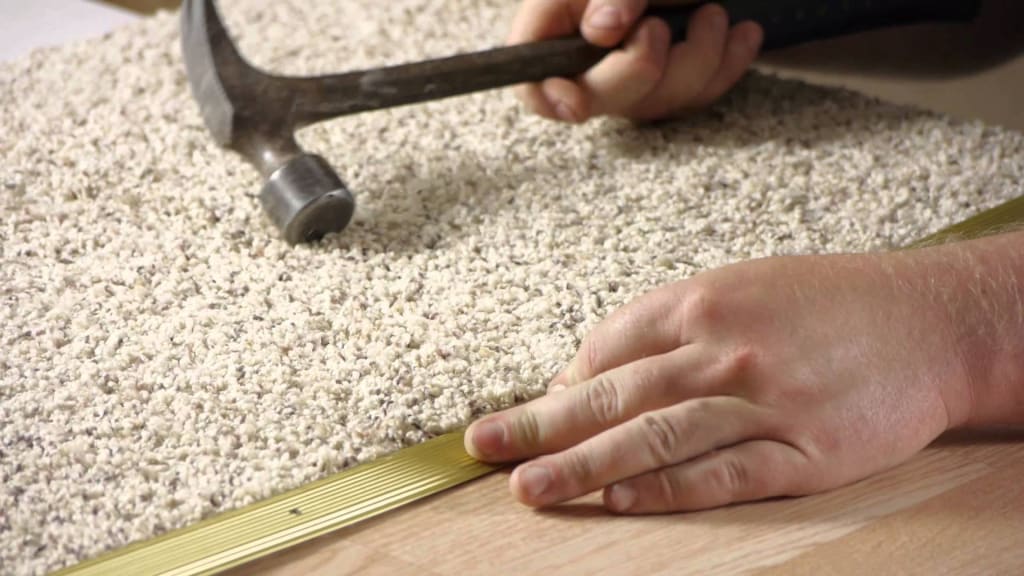
Carpet ripples are a common problem in homes and offices. Over time, even the best-installed carpets can develop ripples, bumps, or waves that ruin the smooth surface. These ripples not only make your carpet look unattractive but can also be a tripping hazard. Thankfully, repairing carpet ripples is a task you can tackle yourself or with the help of professional Carpet Repair Services.
In this blog, we’ll explain the most effective ways to repair carpet ripples, why they occur, and when it’s best to hire professional Carpet Repair Wollongong services to restore your carpet’s appearance.
What Are Carpet Ripples?
Carpet ripples, also known as carpet buckles or waves, occur when the carpet becomes loose and forms bumps or uneven ridges across the surface. They can happen in both old and new carpets and are most commonly found in areas with high foot traffic. While ripples may not seem like a big issue at first, they can worsen over time if not addressed.
Why Do Carpets Develop Ripples?
Before diving into how to repair carpet ripples, it’s important to understand why they happen in the first place. Here are some common causes of carpet ripples:
1. Poor Installation
One of the main reasons carpets develop ripples is improper installation. If the carpet wasn’t stretched tightly enough during installation, it can loosen over time and start to buckle. Installing carpet without the right tools, like a power stretcher, can lead to this problem.
2. Humidity
Carpets, especially those made from natural fibers, can expand and contract due to changes in humidity. High humidity can cause the carpet to swell, leading to ripples. When the humidity levels drop, the carpet doesn’t return to its original position, leaving behind waves.
3. Heavy Furniture
Dragging or sliding heavy furniture across the carpet can pull and stretch the fibers, causing ripples. This is particularly common in living rooms or bedrooms where furniture is frequently rearranged.
4. Age of the Carpet
As carpets age, the backing and padding may weaken, causing the carpet to lose its tension and develop ripples. Older carpets are more prone to this issue, especially if they’ve been exposed to moisture or heavy use.
5. Poor Quality Padding
The padding underneath the carpet plays a crucial role in maintaining its structure. Low-quality padding can compress over time, causing the carpet to lose its shape and develop ripples.
Effective Ways to Repair Carpet Ripples
Now that you understand why carpet ripples occur, let’s explore some of the most effective ways to repair them. Whether you choose to handle it yourself or hire a professional service for Carpet Repair Campbelltown or your nearby areas, these methods will help restore your carpet to a smooth and safe condition.
1. Re-Stretching the Carpet
One of the best ways to fix carpet ripples is to re-stretch the carpet. This method involves pulling the carpet tight and re-securing it to the tack strips along the edges of the room. Re-stretching can eliminate the ripples and make your carpet look as good as new.
Steps to Re-Stretch the Carpet:
- Step 1: Clear the Room: Move all furniture and heavy objects out of the room so you have a clear working space.
- Step 2: Pull Up the Carpet Edges: Use a pair of pliers to gently lift the carpet from the tack strips along the edges of the room. Be careful not to damage the carpet backing.
- Step 3: Use a Power Stretcher: A power stretcher is a tool designed to pull the carpet tight across the room. Start from the center of the room and work your way toward the edges, pulling the carpet taut to eliminate the ripples.
- Step 4: Re-Secure the Carpet: Once the carpet is stretched, press it back onto the tack strips using a carpet tucker or the flat side of a screwdriver. Make sure the carpet is securely fastened along the entire perimeter.
- Step 5: Trim the Excess Carpet: If the carpet has stretched significantly, you may need to trim the excess with a utility knife. Be careful not to cut too much.
- Step 6: Smooth the Carpet: Use a carpet roller or a heavy object to smooth out any remaining wrinkles or bumps.
When to Call a Professional: Re-stretching a carpet can be a physically demanding task, especially if the room is large. If you’re not confident in your ability to do it yourself or don’t have the right tools, hiring professional Services for Carpet Repair in Wollongong can ensure the job is done correctly and efficiently.
2. Using a Knee Kicker
A knee kicker is a smaller, more affordable tool used for carpet stretching. While it doesn’t have the same power as a full-size power stretcher, it can be effective for repairing minor ripples in smaller areas.
Steps to Use a Knee Kicker:
- Step 1: Lift the Carpet Edges: As with the power stretcher method, start by lifting the carpet edges from the tack strips using pliers.
- Step 2: Position the Knee Kicker: Place the head of the knee kicker about 6 inches from the wall, with the teeth gripping the carpet. The tool has a cushioned pad that you “kick” with your knee to stretch the carpet.
- Step 3: Kick the Carpet: Apply pressure with your knee to the padded end of the tool, pushing the carpet toward the wall. Work your way across the room, pulling the carpet tight.
- Step 4: Re-Secure the Carpet: Once the carpet is stretched, press it back onto the tack strips and smooth out any wrinkles.
Best for: Small rooms or minor ripples. If the ripples are significant, a knee kicker may not provide enough force to fully stretch the carpet, in which case a power stretcher or professional help might be necessary.
3. Carpet Tape or Glue
For small ripples in low-traffic areas, carpet tape or glue can be a quick fix. This method is useful when the carpet has come loose from the backing or if the ripples are minor.
Steps to Use Carpet Tape or Glue:
- Step 1: Lift the Carpet: Lift the carpet slightly where the ripple is located.
- Step 2: Apply Carpet Tape or Glue: Place double-sided carpet tape or apply a small amount of carpet adhesive underneath the ripple. Press the carpet down firmly to bond it to the floor.
- Step 3: Smooth the Carpet: Use a carpet roller or a heavy object to smooth out the carpet and ensure it sticks securely.
Best for: Small ripples or areas where the carpet has come loose from the backing. This is not a long-term solution for larger ripples but can work well for minor issues.
4. Professional Carpet Stretching Services
If you’re dealing with large ripples, extensive carpet damage, or if the carpet ripples cover a large area, it may be time to call in the experts. Professional Carpet Repair Services in Wollongong have the tools and experience needed to fix even the most severe carpet ripples.
Why Hire a Professional?
- Advanced Tools: Professionals use power stretchers, knee kickers, and other specialized tools to stretch the carpet evenly and tightly across the room.
- Expertise: Experienced carpet repair technicians know how to handle different types of carpets and can ensure the repair is done without damaging the carpet.
- Saves Time and Effort: Carpet stretching can be physically demanding, especially for larger rooms. Hiring a professional saves you time and effort, and ensures a long-lasting repair.
- Prevents Future Damage: Professionals can also identify the root cause of the ripples, such as poor installation or humidity issues, and provide solutions to prevent the problem from recurring.
Tips for Preventing Carpet Ripples
Once you’ve repaired your carpet, it’s important to take steps to prevent ripples from forming again. Here are some helpful tips to keep your carpet smooth and ripple-free:
1. Install Carpet Properly
Ensure your carpet is installed correctly from the beginning. Always hire professionals who use power stretchers to install the carpet tightly, reducing the risk of ripples developing later on.
2. Control Humidity
Maintain a stable humidity level in your home, especially in areas with natural fiber carpets. Using a dehumidifier in humid conditions can help prevent the carpet from expanding and creating ripples.
3. Avoid Dragging Furniture
Dragging heavy furniture across the carpet can stretch and pull the fibers, leading to ripples. Always lift furniture when moving it, or use furniture sliders to minimize friction.
4. Use High-Quality Padding
The padding underneath your carpet plays an important role in its durability. Invest in high-quality padding that won’t compress over time, which helps keep the carpet in place and prevents ripples from forming.
5. Regular Maintenance
Regular vacuuming and cleaning can help keep your carpet in good condition. Dirt and debris can wear down the carpet fibers, contributing to ripples and wrinkles.
When to Call Professional Carpet Repair Services
While many carpet ripples can be fixed with DIY methods, there are times when it’s best to leave the job to the professionals. Here’s when you should consider hiring Carpet Repair Wollongong services:
- Large Areas of Rippling: If the ripples cover a large area or multiple rooms, professional carpet stretching is the most effective solution.
- Old or Damaged Carpets: If your carpet is old or has significant damage, professionals can assess whether it’s worth repairing or if a replacement is needed.
- Complex Repairs: If the carpet ripples are severe or if the carpet has intricate patterns or delicate fibers, professionals have the tools and expertise to repair it without causing further damage.
- Time-Saving: Hiring a professional saves you the hassle of moving furniture, stretching the carpet, and securing it yourself. Professionals can complete the job quickly and efficiently.
FAQs About Carpet Ripples
1. Can I repair carpet ripples myself?
Yes, minor carpet ripples can be repaired using DIY methods like a knee kicker or carpet tape. However, for larger areas, a power stretcher or professional help is recommended.
2. How much does it cost to repair carpet ripples?
The cost of repairing carpet ripples depends on the size of the area and whether you hire a professional. DIY repairs may only require the cost of tools, while professional carpet stretching services typically range from $100 to $300.
3. Why does my carpet keep developing ripples?
Carpet ripples can occur due to poor installation, humidity changes, dragging furniture, or old carpet padding. If ripples keep appearing, it’s best to have a professional inspect the carpet and fix the underlying issue.
4. How long does it take to stretch a carpet?
For a small room, carpet stretching can take a few hours. Larger rooms or complex repairs may take longer. Professionals can complete the job more quickly and ensure a smooth finish.
5. Is it worth repairing an old carpet?
If the carpet is in good overall condition, repairing ripples is worth it. However, if the carpet is heavily worn or damaged, replacing it may be a better long-term solution.
Conclusion
Carpet ripples are a common issue that can make your home look untidy and even pose a safety hazard. Thankfully, there are several effective ways to repair carpet ripples, whether you choose to do it yourself or hire professional Carpet Repair Services. By re-stretching the carpet, using tools like knee kickers or power stretchers, and following preventive measures, you can restore your carpet to a smooth and beautiful condition.
About the Creator
Joseph Smith
I am Joseph Smith, offering practical tips and in-depth guides to help homeowners maintain and restore their carpets to their original beauty.
Keep reading
More stories from Joseph Smith and writers in Families and other communities.
Dealing with Carpet Buckles: Effective Repair Methods
Carpet is a popular flooring choice in many homes due to its comfort and aesthetic appeal. However, over time, carpets can develop unsightly issues, such as buckles or ripples. Carpet buckling not only affects the appearance of your flooring but can also create tripping hazards and cause long-term damage if not addressed promptly. The good news is that carpet buckling can often be fixed without replacing the entire carpet. In this blog, we’ll explore effective methods for repairing carpet buckles and when to consider professional carpet repair services in Randwick or your nearby areas.
By Joseph Smith2 years ago in Families



Comments
There are no comments for this story
Be the first to respond and start the conversation.