
Economic Concerns
Inflation, Cost of Living, and Recession Fears

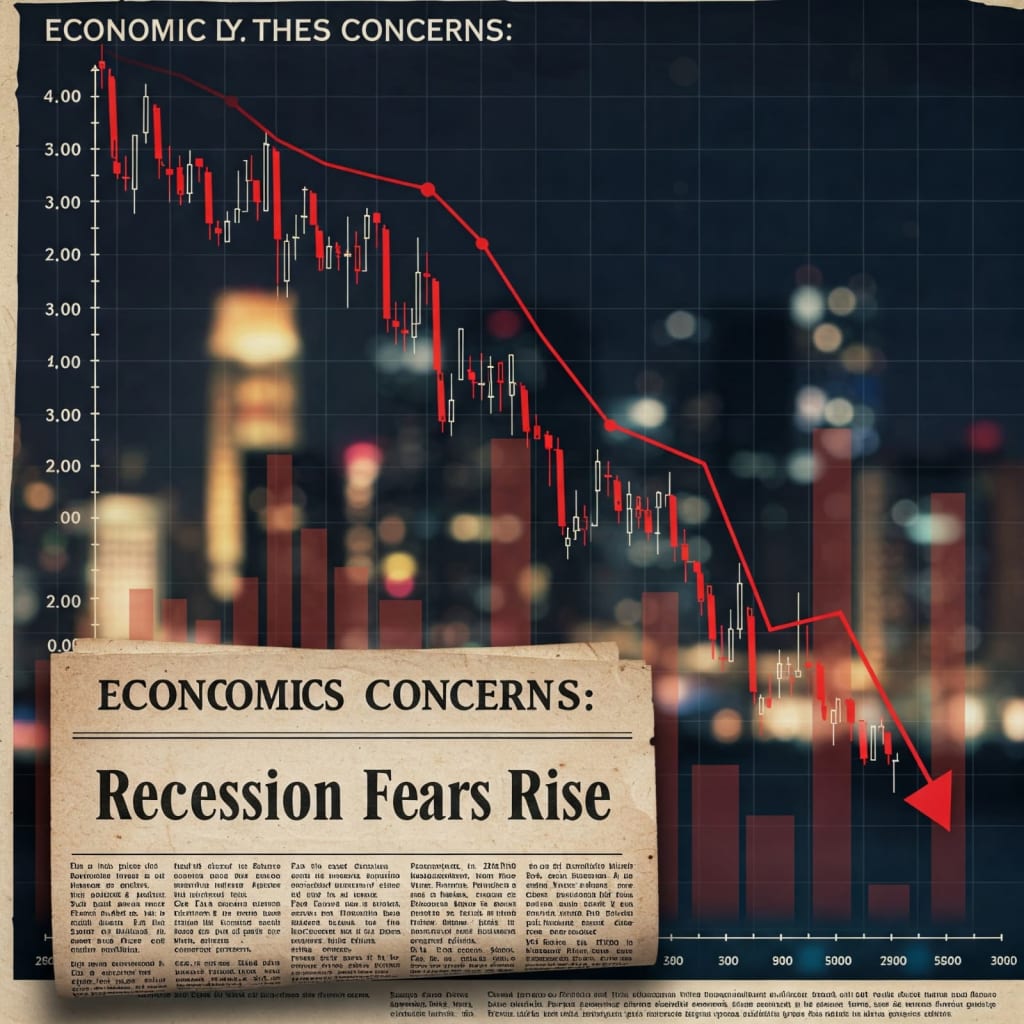
Economic Concerns: Inflation, Cost of Living, and Recession Fears
In recent years, people around the world have been facing serious economic challenges. Prices are rising, wages often don’t keep up, and many are struggling just to afford basic needs. At the center of these concerns are three major issues: inflation, the rising cost of living, and fears of a global recession. These problems are deeply connected and affect nearly everyone—from families and small businesses to big corporations and governments.
This article will explain what these terms mean, how they are related, and what they mean for people’s everyday lives.
What Is Inflation?
Inflation is when the prices of goods and services go up over time. This means that the money you have today buys less than it did before. For example, if you used to spend $50 on groceries each week, you might now need $60 or more to buy the same items.
A little inflation is normal and even healthy for the economy. It usually means the economy is growing. But when inflation becomes too high, it creates problems. People can't afford as much, and it becomes harder to save money or plan for the future.
In many countries, inflation has hit its highest levels in decades. There are several reasons for this:
The COVID-19 pandemic disrupted global supply chains, making goods harder to get.
Energy prices went up, especially due to the war in Ukraine.
Government spending during the pandemic helped people and businesses, but also added more money to the economy, which can increase demand and prices.
Rising Cost of Living
The cost of living refers to how much money a person needs to cover their basic expenses—like housing, food, healthcare, transportation, and education. When inflation rises, so does the cost of living.
Many people are now struggling to afford things they once took for granted. Rent and home prices have increased in many places, and food costs have gone up sharply. Fuel prices have also jumped, making it more expensive to drive or transport goods.
Even people with stable jobs are feeling the pressure. Their salaries might not be growing as fast as prices are rising. For those on fixed incomes, like retirees, the situation is even harder. They often find themselves choosing between necessities like food or medicine.
This problem is especially serious for low-income families, who already spend most of their money on basics. When prices go up, they have little room to adjust.
Recession Fears
A recession happens when a country’s economy shrinks instead of grows. Businesses make less money, people lose jobs, and spending slows down. Economists often describe a recession as two quarters (six months) in a row where the economy gets smaller.
Many experts are now warning that a recession could happen in the near future—or that some countries are already entering one. This is because:
Interest rates are rising: To fight inflation, many central banks (like the U.S. Federal Reserve) are raising interest rates. This makes borrowing money more expensive—for businesses and for regular people. While it can slow down inflation, it also risks slowing down the economy too much.
Consumer spending is falling: When people can’t afford as much, they spend less. And when spending drops, businesses earn less money and may cut jobs.
Global uncertainty: Wars, political instability, and climate disasters make people and companies nervous about investing or spending.
All of these factors increase the risk of a recession, which can create even more hardship for people already dealing with high prices.
How Are These Problems Connected?
Inflation, the cost of living, and recession fears are deeply linked:
Inflation increases the cost of living.
To fight inflation, central banks raise interest rates.
Higher interest rates can slow down the economy, leading to recession fears.
If a recession happens, people may lose jobs or income—making it even harder to deal with high prices.
It’s a delicate balance. Governments and financial leaders must find a way to bring inflation down without causing too much damage to the economy.
What Can Be Done?
There’s no simple fix for these problems, but here are a few steps that can help:
Government support: Some countries are offering financial aid to low-income families or reducing taxes on basic goods.
Monetary policy: Central banks are adjusting interest rates carefully to reduce inflation without causing a deep recession.
Energy solutions: Investing in renewable energy and local production can reduce dependence on foreign oil and gas, helping to stabilize prices.
Smart spending: On a personal level, families are finding ways to cut back on non-essential spending, use budgets, and look for deals or discounts.
In the long term, solutions also include improving education, investing in jobs and skills, and strengthening supply chains to handle global shocks better.
What Does This Mean for You?
If you’re feeling the pressure of high prices, you’re not alone. Millions of people around the world are dealing with the same issues. It’s important to stay informed, be cautious with spending, and seek help if needed. Communities, non-profits, and even local governments may have resources available to support those in need.
At the same time, keep an eye on the bigger picture. These tough times often lead to changes in policy and innovation that can improve the economy in the long run. While things may feel uncertain now, history shows that economies do recover—and sometimes become stronger and more balanced than before.
About the Creator
Saim Bill
I’m a passionate article writer who loves sharing ideas, stories, and insights with the world.
Wise~Guys
— Look Behind what's in Front of You ~ Make Good Choices — Hey, So how you Doin'..! Made~Men — Mobster Movies romanticise a distinctive, elegant appearance, impeccable attire style, along with the 'Families' expressive lingo. Making their 'Bones' gave them Panache — with vintage fedoras, tailored pin-striped suits, mirror-polished wing-tip shoes adorned with tassels; with their 'Gun Moll' gorgeous dates on their arms.
By Jay Kantor19 days ago in Families
Why Are Teachers Leaving Education?
As someone who is new to teaching, I will not sit here and pretend to fully understand everything veteran teachers have endured over the years. I do not yet have decades of experience to draw from. However, I can speak honestly about what I have observed in my year and a half in the classroom, and what I have learned in that short time is both eye opening and concerning. Teaching today is no longer just about teaching content. It has evolved into a profession that often requires educators to act as the judge, the juror, and the executioner, so to speak, all while being expected to maintain patience, professionalism, and compassion at every turn.
By Kimberly Nightengale3 days ago in Families




Comments
There are no comments for this story
Be the first to respond and start the conversation.