
DIY Energy-Saving Products: Affordable Ways to Cut Your Energy Bills
Practical Solutions for a Greener Home and Lower Utility Costs

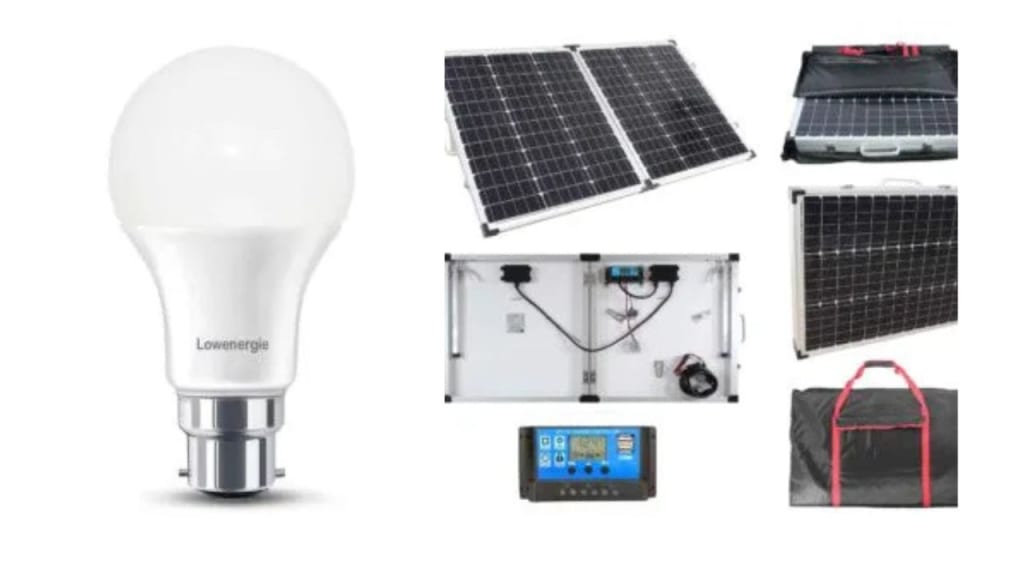
With energy costs rising, many homeowners are looking for simple, affordable ways to reduce their bills while also making their homes more energy-efficient. Thankfully, there are a variety of DIY energy saving products that can help you achieve this. From insulation solutions to energy-efficient lighting, here are some effective ways you can save energy at home without breaking the bank.
1. Insulation Boards: The Key to Reducing Heat Loss
One of the most significant ways to reduce energy consumption at home is by improving your insulation. When your home is well-insulated, it traps heat during the winter and keeps cool air inside during the summer, meaning your heating and cooling systems don’t need to work as hard.
25mm Jablite HP General Purpose Insulation Board
- What It Is: The Jablite HP Insulation Board is a high-performance product that improves your home's insulation. It is commonly used in walls, floors, and ceilings.
- How It Helps: By adding this insulation board to your home, you can effectively reduce heat loss, which directly leads to lower heating costs. This is particularly important in areas with extreme weather conditions, as it prevents your heating system from constantly running to maintain a comfortable temperature.
- DIY Tip: You can easily install these boards in your loft or under floorboards, creating a more energy-efficient home. It’s a simple and affordable way to make a big difference in your energy bills.
2. Draught Proofing: Seal Those Gaps
Draughts are one of the most common causes of energy wastage in the home. Small gaps and cracks around windows, doors, and chimneys can let in cold air, forcing your heating system to work harder. Luckily, draught-proofing products can be an easy fix.
Gapseal Sash Window Seal (10m)
- What It Is: The Gapseal Sash Window Seal is an effective solution for sealing gaps around traditional sash windows.
- How It Helps: It prevents drafts from entering through gaps, which means your home will stay warmer without needing to increase your heating. As a result, you'll save money on energy bills.
- DIY Tip: Simply apply the seal around the edges of your windows where cold air is sneaking in. It’s an affordable and simple DIY solution to reduce heat loss.
Chimney Flue Draught Excluder by Chimney Sheep™
- What It Is: This is a unique draught excluder that fits into the chimney flue to stop warm air from escaping when the fireplace is not in use.
- How It Helps: Chimneys are a common source of heat loss in homes with open fireplaces. By installing a Chimney Sheep™, you can keep warm air inside, especially during the colder months when you're not using the fireplace.
- DIY Tip: Installing this device is simple and doesn’t require professional help. It’s an easy and cost-effective way to prevent unnecessary heat loss.
Around Door Seal – Aquacarrier
- What It Is: The Aquacarrier is a flexible, easy-to-apply seal that fits around doors to block out drafts.
- How It Helps: By sealing gaps around doors, you can prevent cold air from entering your home and keep your heated air inside. This reduces the workload of your heating system and cuts your energy consumption.
- DIY Tip: Apply the door seal around the frame of your exterior doors, particularly in areas that tend to get drafty. This can make a noticeable difference in your home's comfort level and energy efficiency.
3. Loft Insulation: Keep the Warmth in the Attic
One of the biggest areas of heat loss in most homes is the loft. Insulating your loft or attic can prevent a significant amount of heat from escaping, ultimately leading to lower energy bills.
Loftleg Standard 12 Pack
- What It Is: The Loftleg is a spacer that helps maintain the effectiveness of loft insulation by lifting it and preventing it from sagging.
- How It Helps: Proper loft insulation is essential to minimize heat loss. The Loftleg ensures that the insulation remains evenly distributed and effective, maximizing its energy-saving potential.
- DIY Tip: Installing Loftlegs is a simple DIY project. They are easy to place between the joists in your loft, and they’ll help your insulation perform better, making your home warmer and more energy-efficient.
4. Energy-Efficient Lighting: Save on Electricity with LED Bulbs
Lighting is one of the most common uses of electricity in homes, and upgrading to energy-efficient lighting can lead to significant savings over time. LED bulbs are a great alternative to traditional incandescent bulbs and can help you lower your energy bills.
LED Lighting Options
- What It Is: LED bulbs are a type of energy-efficient lighting that uses much less electricity than traditional incandescent or halogen bulbs.
- How It Helps: LEDs use up to 75% less energy and last 25 times longer than incandescent bulbs. This means you'll use less energy and replace bulbs less often, which reduces both your electricity bills and maintenance costs.
- DIY Tip: Swap out old light bulbs with LEDs in your home’s most used areas, such as the kitchen, living room, and hallway. You’ll notice a difference in your monthly electricity usage.
5. Timer Switches: Control Your Energy Usage
Many household appliances, such as lights, heating systems, and electrical devices, can easily be left on when they’re not needed. Timer switches allow you to control when appliances turn on and off, helping you avoid unnecessary energy waste.
Timer Switches
- What It Is: A timer switch is a device that lets you set specific times for lights, appliances, or heating systems to turn on and off automatically.
- How It Helps: By controlling the exact time appliances are used, you can prevent them from being left on longer than necessary, reducing energy waste. For example, you can program your heating system to turn off during the night or while you’re away, and set your lights to turn off after a certain period.
- DIY Tip: Install timer switches on appliances that are often left on unintentionally, like lights, fans, or space heaters. It's an easy way to make sure your energy usage is optimized.
Conclusion: Start Saving Energy Today
Cutting your energy bills doesn’t have to mean expensive renovations or complicated changes. With a few simple DIY energy-saving products like insulation boards, draught proofing, LED lights, and timer switches, you can make your home more energy-efficient and save money over time. Many of these products are easy to install yourself and offer long-term benefits that will pay off in reduced energy costs.
By taking small steps toward a more energy-efficient home, you’ll not only save money, but you’ll also contribute to a greener, more sustainable future. So why not start today?
About the Creator
low energy supermarket
Low Energy Supermarket offers a wide range of energy-saving products like LiFePO4 lithium batteries, solar water heating kits, and LED light bulbs to help you save on utility bills while supporting the environment.
Keep reading
More stories from low energy supermarket and writers in Families and other communities.
Energy Saving Bulbs: A Simple Guide to Saving Money and the Environment
In today’s world, energy conservation has become more important than ever. One of the easiest ways to reduce energy consumption in your home or office is by switching to energy-saving bulbs. These bulbs are designed to use less electricity while providing the same amount of light as traditional incandescent bulbs. Not only will this help lower your electricity bills, but it will also reduce your carbon footprint. In this article, we’ll explain what energy-saving bulbs are, their benefits, the different types available, and how to choose the right one for your needs.
By low energy supermarketabout a year ago in Families
The Shadow in the Screen: Why Your Child’s Identity is the New Gold for AI Hackers
I remember the first time I saw it. A photo of my niece, the one I had taken at her fifth birthday party, appearing on a profile that didn’t belong to anyone in our family. The name was different. The location was halfway across the world. But the smile was unmistakably hers.
By Alex Sterling 7 days ago in Families




Comments (1)
Thanks for sharing it.