
Difference Between Gauze and Bandages
Discover the key differences between gauze and bandages, explore various types, and learn proper usage for effective wound care.

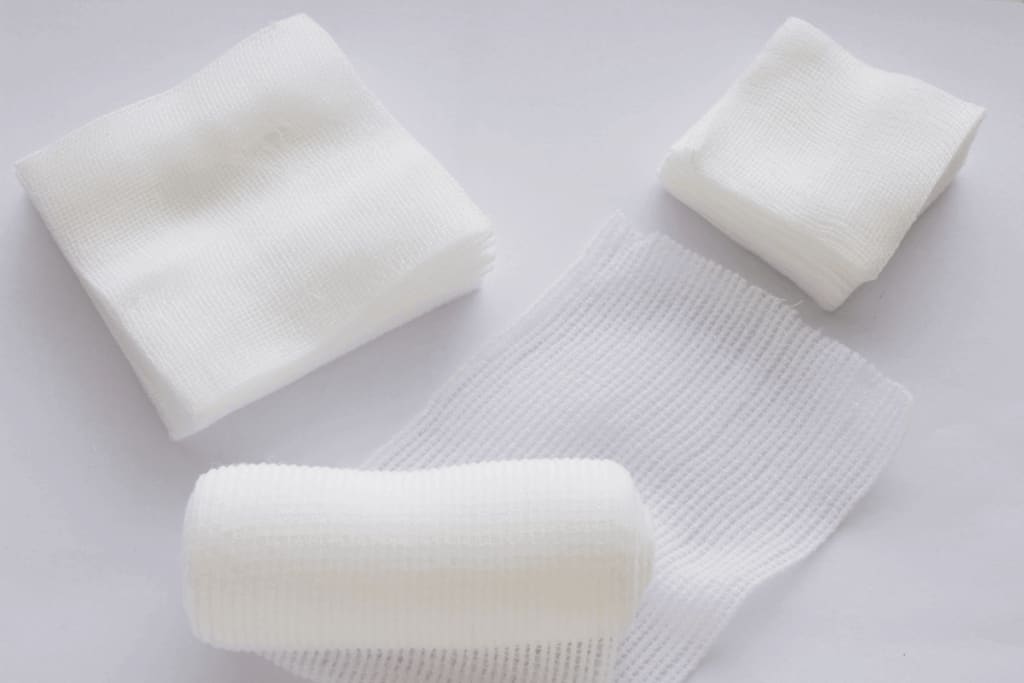
Gauze is a lightweight, breathable fabric typically made from cotton or synthetic materials. Its main job is to cover and protect wounds. It acts as a barrier between the injury and the outside world.
Bandages are materials used to hold an injury together or keep a dressing in place. They support, compress, and help hold other wound care products in place. “Bandage” often describes the whole dressing. It technically refers to the outer layer that secures the gauze or other wound-covering materials.
Overall, gauze is a broad term. It includes various dressings, like gauze sponges and gauze pads type dressings. “Bandages” usually means rolls for wrapping and support. This includes gauze and elastic bandage rolls. Some views from medical gauze wholesaler.
It’s important to note that bandages can be both dressings and securing materials. But, gauze pads can only be used as dressings.
The Types of Gauze
When it comes to gauze, there are two main categories: woven gauze and non-woven gauze.
Woven gauze is typically made from 100% cotton fibers, features a loose weave pattern. giving it a natural and breathable quality. This structure allows for the absorption and wicking of exudate and other fluids into or through the gauze.
Woven gauze tends to have a coarser texture, making it suitable for more general applications. It’s particularly useful in situations where a wound needs to be cleaned, debrided, or packed. Compared to its non-woven counterpart, woven gauze is generally less absorbent.
One drawback of woven gauze is its tendency to leave lint in the wound, especially if the gauze is cut. This can be particularly problematic for deep wounds or incisions, as lint can interfere with the healing process or potentially lead to complications.
Non woven gauze is typically made from a blend of synthetic fibers, synthetic fibers used include rayon, polyester, or a blend of these materials. By pressing the fibers together to resemble a weave, this manufacturing process results in increased absorbency and better wicking capabilities. It’s important to be aware that some individuals may be allergic to the synthetic materials used.
Non-woven gauze is generally stronger, bulkier, and softer than woven gauze.These qualities contribute to patient comfort and make it more resistant to tearing or breaking during use. Non-woven gauze is its superior absorbency compared to woven gauze. This makes it particularly effective for managing wounds with moderate to heavy exudate.
Non-woven gauze typically does not adhere to wounds, produces less lint than woven gauze. This characteristic makes it safer for use in a wider range of wound care situations, particularly where lint contamination could be problematic.
Due to its unique properties, non-woven gauze is ideal for use in specialized medical settings such as dialysis, plastic surgery, and dermatology. It’s worth noting that non-woven gauze tends to be more expensive than woven gauze.
One of the key advantages of non-woven gauze is its superior absorbency compared to its woven counterpart. This makes non-woven gauze ideal for wounds with moderate to heavy exudate. It can efficiently wick away moisture from the wound bed.
The Types of Bandages
Let’s explore two of the most common types: cotton gauze bandages and elastic bandages.
Cotton gauze bandages are perhaps the most familiar type of bandage to many people. These versatile bandages are for fixing wound dressings and managing minor injuries. Made from breathable cotton, they allow air to circulate around the wound, which can be beneficial for the healing process.
Cotton gauze bandages are good at stopping light to moderate bleeding. So, they are a must-have in first aid kits. Their flexibility allows them to conform to various body parts, providing a secure hold for dressings on areas like arms, legs, or the torso.
Elastic bandages, also known as compression bandages, serve a different purpose in injury care. These bandages support and compress an injured area. They are ideal for sprains and strains.
These bandages are elastic. They can be wrapped comfortably around joints like ankles, wrists, or knees. This gives extra stability to the injured area.
About the Creator
Anne
I am a medical supply professional dedicated to providing you with knowledge of the many facets of medical supplies, and I hope I can help you!
Keep reading
More stories from writers in Families and other communities.
Wise~Guys
— Look Behind what's in Front of You ~ Make Good Choices — Hey, So how you Doin'..! Made~Men — Mobster Movies romanticise a distinctive, elegant appearance, impeccable attire style, along with the 'Families' expressive lingo. Making their 'Bones' gave them Panache — with vintage fedoras, tailored pin-striped suits, mirror-polished wing-tip shoes adorned with tassels; with their 'Gun Moll' gorgeous dates on their arms.
By Jay Kantor27 days ago in Families
The Main Benefits of Swimming for Kids
Swimming does more than just keep kids active - it strengthens their bodies and sharpens their minds. When taught correctly, swimming helps kids get stronger, improves their movement, and teaches them to trust themselves, all with minimal strain on growing muscles and joints. It's not only great exercise but a life skill they'll use long after childhood.
By Lilly Evans7 days ago in Families
🅼🅸🅳🅽🅸🅶🅷🆃 🆂🅽🅰🅲🅺🆂
"It's 10 in Tuscon! We all know what that means... It's Time for Midnight Snacks with your man, Gerald Gee! Ready to spend the night together? Me too! I'm full of snacks and can't wait to regurgitate them all back into your hungry ears. Crack a brew! Pop some corn! Anything to get ready for one hell of a show where the talk maybe cheap but the words cut deep...
By Lamar Wiggins5 days ago in Fiction



Comments
There are no comments for this story
Be the first to respond and start the conversation.