
Dietary Supplements: Balancing Benefits and Risks – How to Avoid Hazards and Maximize Benefits
Introduction: Dietary Supplements… Not a "Magic Solution"

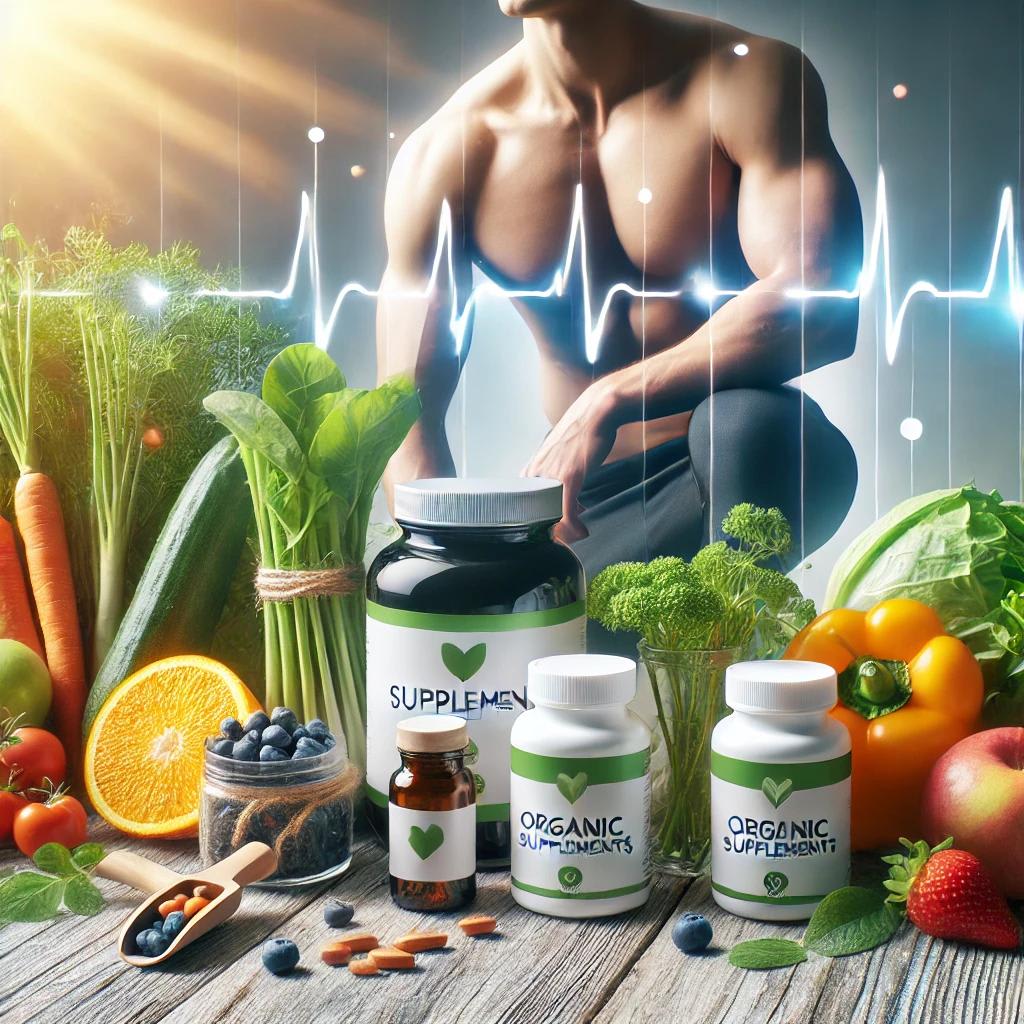
In a world where health and fitness are increasingly prioritized, dietary supplements have become a routine part of millions’ lives. But are they truly safe? And what distinguishes them from natural nutrients? Statistics show that 50% of adults in developed countries use supplements regularly, while studies indicate that 23% of emergency room visits in the United States are linked to adverse reactions from them. This contradiction prompts us to delve into this complex realm and understand how these products can be a double-edged sword.
What Are Dietary Supplements?
Dietary supplements are products consumed to compensate for nutritional deficiencies or enhance overall health. They include:
Vitamins (such as Vitamin D, Vitamin C, Vitamin B12).
Minerals (like iron, calcium, zinc).
Herbs (such as St. John’s Wort, ginseng).
Probiotics (beneficial gut bacteria).
Protein Supplements and Amino Acids (for athletes).
They come in various forms: tablets, capsules, powders, and even chewing gums. However, according to health organizations, they are not meant to replace a balanced diet but rather to complement it by filling nutritional gaps.
Benefits: When Do Supplements Become "Life-Savers"?
Addressing Nutritional Deficiencies:
Replenishing iron deficiencies in women (especially those with heavy menstrual flow).
Folic acid supplements for pregnant women to prevent fetal deformities.
Vitamin D for individuals with limited sun exposure or with darker skin.
Supporting Specific Health Conditions:
Omega-3 to improve heart health.
Calcium and Vitamin D to prevent osteoporosis.
Probiotics to enhance digestion and boost immunity.
Assisting Special Populations:
The Elderly: As we age, our bodies become less efficient at absorbing nutrients from food.
Vegetarians: They may require Vitamin B12, which is predominantly found in animal products.
Bariatric Surgery Patients: Those who suffer from nutrient malabsorption.
Harms: When “Assistance” Turns into a Disaster
Overdose Toxicity:
Excessive Vitamin A can lead to brittle bones and fetal deformities.
High doses of Vitamin C can result in severe diarrhea.
Excess selenium and iron may damage the liver.
Serious Drug Interactions:
Vitamin K can reduce the effectiveness of blood thinners like warfarin.
St. John’s Wort can accelerate the breakdown of antidepressants and oral contraceptives.
Antioxidants (such as Vitamin E) might diminish the effectiveness of chemotherapy.
Long-Term Damage:
Liver damage (as seen in the case of a man whose liver failed due to green tea extract).
An increased risk of prostate cancer in men with excessive folic acid intake.
Sleep disturbances and anxiety due to supplements containing caffeine.
Risks for Pregnant Women:
Excessive Vitamin A is associated with congenital malformations.
Melatonin may affect blood clotting, exposing them to bleeding risks.
Most Vulnerable Groups – Beware If You Belong to These Categories!
Patients with Kidney or Liver Disease: They have difficulty eliminating excess nutrients.
Children: Due to their small body size, they are at higher risk of toxicity.
The Elderly: Due to multiple medication interactions.
Athletes: Excessive protein supplementation may damage the kidneys.
Golden Tips for Safe Use
Do Not Take Supplements Without a Diagnosis:
Undergo regular blood tests to identify true deficiencies.
For example, 30% of herbal supplements do not contain the ingredients listed on their labels!
Adhere to the Recommended Dosages:
Even water-soluble vitamins (like Vitamin C) can be harmful in excessive amounts.
Inform Your Doctor About Everything You Take:
40% of serious drug interactions are caused by supplements.
Choose Reputable Brands:
Avoid unlicensed products or those with exaggerated claims (such as "cancer cures").
Prioritize Food First:
The protein found in meat is more beneficial than industrial protein powders.
Sun exposure is a better source of Vitamin D than supplements.
- In 2018, Jim McCantus was hospitalized for a liver transplant after consuming green tea supplements that irreversibly damaged his liver. Although such cases are rare, they remind us that “natural” does not always equate to “safe.”
Real-Life Story: When “Wellness” Turns into a Nightmare
Conclusion: Balance Is Key
Dietary supplements are neither inherently evil nor universally beneficial. They can be life-saving for those with severe deficiencies or detrimental to the health of those who consume them indiscriminately. Before swallowing that brightly colored capsule, remember to:
Consult your doctor.
Verify your sources.
Listen to your body.
As experts say: "Food first... and supplements only when absolutely necessary."
About the Creator
Ahmed Abdeen
An experienced article publisher and writer specializing in creating high-quality, engaging, and well-researched content tailored to captivate diverse audiences. Adept at crafting compelling narratives
Keep reading
More stories from Ahmed Abdeen and writers in Families and other communities.
Proper Child Rearing: A Practical Guide to Raising Confident and Balanced Children
One day, I asked a six-year-old girl, "What do you want to be when you grow up?" She confidently replied, "I want to be happy!" This simple answer captures the essence of proper parenting: cultivating happiness rooted in values, not just material achievements. According to UNICEF, 70% of a child’s personality is shaped in the first seven years, making parents akin to artists sculpting a human’s future. But how do we move from "trial and error" to conscious parenting? This comprehensive guide explores the answer.
By Ahmed Abdeen11 months ago in Families
Wise~Guys
— Look Behind what's in Front of You ~ Make Good Choices — Hey, So how you Doin'..! Made~Men — Mobster Movies romanticise a distinctive, elegant appearance, impeccable attire style, along with the 'Families' expressive lingo. Making their 'Bones' gave them Panache — with vintage fedoras, tailored pin-striped suits, mirror-polished wing-tip shoes adorned with tassels; with their 'Gun Moll' gorgeous dates on their arms.
By Jay Kantor16 days ago in Families




Comments
There are no comments for this story
Be the first to respond and start the conversation.