
Dermatologist Explains Dandruff: What Causes it & Best Dandruff Treatments
Health
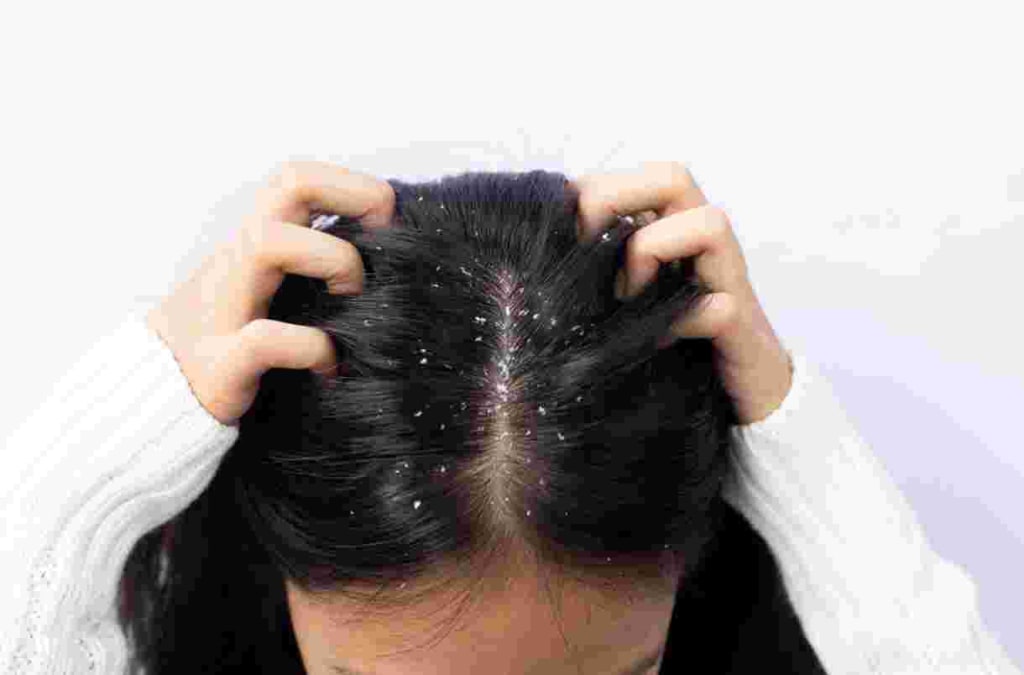
Understanding and Treating DandruffHello, I'm Dr. Sam Ellis, a dermatologist here to help you understand your skin and find the right products. Dandruff can be an embarrassing and frustrating condition, but with the right approach, it can be managed effectively. If you find this information helpful, please like the video and subscribe to my channel.What is Dandruff?Dandruff presents as white flakes and scaling on the scalp, often noticeable on dark clothing. Unlike more severe conditions like seborrheic dermatitis, regular dandruff typically does not cause intense itching or tenderness. Seborrheic dermatitis can lead to redness, yellowish greasy scales, and may affect the face and body folds. Both dandruff and seborrheic dermatitis are partly caused by a yeast called Malassezia, which thrives in oily environments such as the scalp.Dandruff vs. Dry ScalpA common question is how to distinguish dandruff from a dry scalp. One clue is the condition of the rest of your skin. If your skin is generally not dry, it's likely that your scalp isn't either. Dandruff often worsens when hair is washed less frequently, as scalp oil builds up and facilitates yeast growth. Diagnosing a scaly scalp can be tricky, as it can be due to conditions like eczema, psoriasis, or other skin issues. If you experience scalp itch, burning, hair loss, or other symptoms, it is advisable to see a dermatologist.Treating DandruffThe main focus in treating dandruff is maintaining good hair washing habits. Many people with dandruff do not wash their hair often enough or use improper techniques. Effective treatment involves reducing scalp oil and yeast.Increase Hair Washing Frequency: If you don’t wash your hair daily, try washing it daily for one to two weeks to reduce scalp oil and yeast. Proper Shampoo Application: Apply shampoo directly to the scalp and leave it on for at least five minutes.Over-the-Counter TreatmentsThere are several over-the-counter treatments available:Nizoral Shampoo (1% ketoconazole): Popular for reducing scalp yeast. Alternate with regular shampoo.Selenium Sulfide Shampoos (e.g., Selsun Blue): Effective for dandruff.Zinc Pyrithione Shampoos (e.g., Free & Clear Medicated Anti-Dandruff Shampoo): Suitable for sensitive scalps.For Stubborn CasesKeralyt 5 (salicylic acid): Helps with greasy scales, useful for severe seborrheic dermatitis.Neutrogena T/Gel (coal tar): Reduces flaking and itch, especially for scalp psoriasis.Prescription TreatmentsIf over-the-counter options don’t work, prescription treatments include:Stronger Ketoconazole Shampoos: More potent than the 1% version.Anti-Fungal Shampoos (e.g., ciclopirox or 2.5% selenium sulfide): Effective for severe cases.Oral Anti-Fungal Medications: Prescribed in severe cases to reduce yeast growth.Topical Steroids: Help reduce inflammation and itching.Ongoing ManagementRemember, dandruff is a chronic condition that requires ongoing management. Once you find a treatment that works, stick with it to prevent recurrence. If a patient isn't responding to treatment, it's important to re-evaluate the diagnosis to ensure it's not another condition mimicking dandruff.Diagnosing a Scaly ScalpDiagnosing a scaly scalp can be tricky, as it can be due to conditions like eczema, psoriasis, or other skin issues. If you experience scalp itch, burning, hair loss, or other symptoms, it is advisable to see a dermatologist. They can provide a precise diagnosis and tailor a treatment plan that addresses your specific needs.Lifestyle and Home RemediesIn addition to medical treatments, there are several lifestyle changes and home remedies that can help manage dandruff. Maintaining a balanced diet rich in vitamins and minerals supports overall skin health. Reducing stress through relaxation techniques like yoga and meditation can also have a positive impact, as stress is known to exacerbate dandruff.ConclusionManaging dandruff involves finding what works best for you through good hair care, effective treatments, and possibly consulting a dermatologist for personalized advice. Share your dandruff experiences in the comments below and let us know what treatments have worked for you.By understanding the causes of dandruff and following a tailored treatment plan, you can effectively manage this common condition and regain confidence in your appearance. Thank you for watching, and don't forget to like and subscribe for more skincare tips and advice.In summary, addressing dandruff effectively requires a multifaceted approach that includes proper hair care, the right treatment products, and sometimes professional guidance. Through consistent care and the right strategies, you can keep dandruff under control and maintain a healthy, flake-free scalp.
About the Creator
Keep reading
More stories from Humphrey Haruna and writers in Families and other communities.
Bugatti Tourbillon V16 1800hp | 4.1$ Million | Director Of Bugatti Design Details Specs (2026)
Designing the Successor to the Chiron Creating a successor to the Chiron is an immense and challenging task, requiring a focus on timelessness. To achieve this, authenticity is essential—the design must tell a compelling and enduring story. The Tuon embodies this philosophy, merging inspiration from nature and Bugatti’s rich heritage to create a vehicle that stands as a testament to both innovation and tradition.
By Humphrey Haruna2 years ago in Wheel
The Shadow in the Screen: Why Your Child’s Identity is the New Gold for AI Hackers
I remember the first time I saw it. A photo of my niece, the one I had taken at her fifth birthday party, appearing on a profile that didn’t belong to anyone in our family. The name was different. The location was halfway across the world. But the smile was unmistakably hers.
By Alex Sterling 7 days ago in Families




Comments
There are no comments for this story
Be the first to respond and start the conversation.