
Cultivating Kind Hearts: Nurturing Empathy and Compassion in Children
Simple Strategies to Help Your Child Understand and Connect with the World Around Them

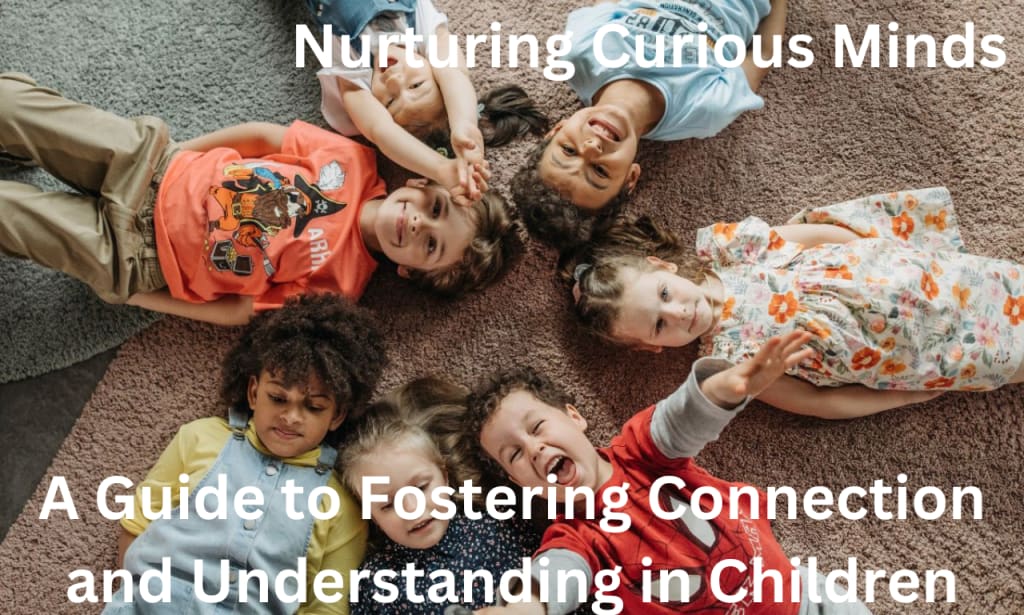
Developing empathy and compassion in children is one of the most valuable gifts parents and educators can provide. By teaching children to understand and feel the experiences of others, we help them build essential life skills that support healthy relationships, resilience, and a sense of responsibility toward the community. Let’s explore some effective strategies to encourage empathy and compassion in children.
1. Model Empathy in Daily Life
Children learn by observing the adults around them. When parents, teachers, and caregivers model empathy in their actions, children naturally mimic these behaviors. Simple gestures like showing kindness to strangers, helping someone in need, or listening attentively when someone is sharing their problems can teach children the power of compassion. Talk to your child about why you helped someone, so they understand the value of empathy in everyday life.
2. Encourage Open Communication
Allowing children to express themselves freely and without judgment fosters a sense of safety. It also gives parents the opportunity to guide them on how to process their feelings. Encourage your child to talk about their day and how certain situations made them feel. Ask questions like, “How did that make you feel?” or “How do you think the other person felt?” Open-ended questions help children understand different perspectives and develop emotional awareness, which is essential for empathy.
3. Teach Compassion Through Storytelling
Books and stories can be powerful tools to instill empathy. Choose stories that showcase diverse perspectives and characters who face various challenges. Discuss the characters’ feelings, and ask your child how they would respond in similar situations. Literature allows children to “experience” situations they might not face in real life, helping them develop a more compassionate outlook.
4. Practice Acts of Kindness Together
Engage in activities that promote kindness and involve your child. Whether it’s baking cookies for a neighbor, writing thank-you notes to essential workers, or helping out at a community event, these activities reinforce empathy. Explain to your child why these small acts of kindness are important, and encourage them to think of their own ideas for helping others. Practicing kindness makes compassion tangible and enjoyable.
5. Teach Emotional Intelligence
Emotional intelligence is the foundation of empathy and compassion. By helping children understand and label their own emotions, they are better equipped to recognize these emotions in others. Teach your child to identify feelings like sadness, anger, happiness, and fear. Use visual aids, such as emotion charts or expressions on dolls or characters, to make this easier for younger children. This understanding of emotions will enable them to relate more empathetically to people in various situations.
6. Introduce Role-Playing Activities
Role-playing different scenarios is a fun and interactive way to practice empathy. For instance, you can create situations where your child plays the role of a friend who needs help, or a sibling who feels left out. Afterward, ask them to reflect on how they felt and how they might respond if they were really in that position. Role-playing can also help children understand and practice conflict resolution with compassion.
7. Use Positive Reinforcement for Empathetic Behavior
Acknowledge and praise your child whenever they show kindness or empathy toward others. Positive reinforcement encourages them to repeat these behaviors in the future. You could say things like, “I noticed how kind you were to your friend today, that was very thoughtful,” or, “Thank you for helping your sibling feel better. That was a very caring thing to do.” Celebrating these moments helps children recognize empathy as a valuable part of who they are.
8. Encourage Pet Care and Responsibility
Taking care of a pet can provide children with a valuable lesson in empathy. Pets rely on humans for care and attention, which teaches children about responsibility and the needs of others. Tasks like feeding, walking, or playing with a pet help kids understand the importance of compassion and care in relationships. Pets are a great way to show children the impact of kindness, as they experience firsthand how their actions can bring comfort and joy to another being.
9. Foster a Growth Mindset
Empathy and compassion are skills that can be developed over time. Encourage your child to see these qualities as something they can improve with practice. When they make mistakes or show frustration, remind them that learning empathy is a journey. Teach them that every interaction is a chance to become more understanding, and that it’s okay to need guidance along the way.
10. Encourage Community Engagement
Volunteering together in the community can open a child’s eyes to the lives of people from different backgrounds. Activities such as visiting elderly homes, participating in charity events, or helping at an animal shelter can be eye-opening experiences. Seeing others who may be less fortunate or experiencing challenges helps children develop a greater sense of gratitude and empathy. It also nurtures their desire to help make a difference in the lives of others.
11. Discuss Real-World Issues Together
Introducing age-appropriate conversations about real-world challenges can broaden a child’s understanding of different perspectives. Talk about topics such as poverty, homelessness, and environmental issues, and explain how these issues affect different people. Encourage questions, and use these conversations as an opportunity to explore empathy further, emphasizing that everyone deserves respect and understanding.

Conclusion: Creating a Compassionate World Through Our Children
Teaching children empathy and compassion is a lifelong investment in creating a kinder, more understanding society. By fostering these qualities early on, we prepare children to build stronger connections and make thoughtful decisions as they grow. With each step—whether through modeling empathy, encouraging open communication, or participating in community activities—parents and caregivers can shape children into empathetic individuals who genuinely care about others.
Developing empathy in children is not only beneficial for their personal growth but also has a lasting impact on everyone around them. As they carry these values forward, they contribute to a more compassionate world. By encouraging empathy today, we plant the seeds for a brighter, more connected future for all.
About the Creator
mureed hussain
Hi, I’m a creative writer passionate about health & wellness, love, longevity, aging, and pet care. With extensive Quora experience, I craft engaging posts, thoughtful questions, and insightful answers.
Find me at>>[email protected]
Keep reading
More stories from mureed hussain and writers in Families and other communities.
Unbreakable Bonds
Liza never imagined her life would take such a turn. Two years ago, she was part of a happy family, sharing laughter and struggles alongside her husband and their two young children, Ethan, eight, and Sara, ten. But in the blink of an eye, everything changed. Her husband’s sudden passing shattered her world, and she found herself alone, left to shoulder the weight of being both a mother and a father. The challenge was monumental, but with a steely resolve, Liza made the commitment to raise her children with love, stability, and resilience, no matter what it took.
By mureed hussainabout a year ago in Families
Wise~Guys
— Look Behind what's in Front of You ~ Make Good Choices — Hey, So how you Doin'..! Made~Men — Mobster Movies romanticise a distinctive, elegant appearance, impeccable attire style, along with the 'Families' expressive lingo. Making their 'Bones' gave them Panache — with vintage fedoras, tailored pin-striped suits, mirror-polished wing-tip shoes adorned with tassels; with their 'Gun Moll' gorgeous dates on their arms.
By Jay Kantor17 days ago in Families




Comments (1)
A woman after my heart. We so lack empathy these days. This is useful.