
Creativity and Mental Well-Being
The Connection Between Creativity and Mental Well-Being

The Connection Between Creativity and Mental Well-Being
Creativity is often seen as a trait reserved for artists, writers, and musicians, but its benefits extend far beyond the realm of the arts. Engaging in creative activities can have profound effects on mental well-being, offering a pathway to self-expression, stress relief, and emotional healing. Let’s explore the inspiring connection between creativity and mental health, backed by real-life examples that illuminate this relationship.
The Power of Self-Expression
One of the most significant ways creativities impact mental well-being is through self-expression. Art, writing, music, and other creative endeavors provide a medium for individuals to express their thoughts, feelings, and experiences. This expression can be particularly therapeutic for those dealing with mental health challenges.
Consider the story of Emma, a graphic designer who struggled with anxiety and depression. After a particularly tough period, she began to channel her emotions into digital art. What started as a form of distraction soon transformed into a therapeutic outlet. Each piece she created allowed her to process her feelings, from fear to hope, and ultimately provided her with a sense of clarity and relief. Emma’s story is a testament to how creativity can facilitate emotional processing and lead to greater mental resilience.
Building Resilience Through Creativity
Creativity can also foster resilience, helping individuals cope with life's challenges. Engaging in creative activities encourages a mindset of problem-solving and adaptability, skills that are essential for navigating difficulties.
Take the case of Jake, a musician who faced numerous setbacks, including a serious illness. Instead of succumbing to despair, he used songwriting as a way to cope. Each lyric became a reflection of his struggles and triumphs, allowing him to reframe his experiences in a positive light. By focusing on his passion, Jake built resilience, not only recovering from his illness but also creating an album that resonated with many facing similar challenges. His journey highlights how creativity can empower individuals to face adversity with courage and innovation.
Stress Relief and Mindfulness
Engaging in creative activities can also serve as a powerful stress reliever. The act of creating requires focus and immersion, often acting as a form of mindfulness that distracts from daily worries and anxieties. This engagement can lead to a decrease in stress levels and an overall improvement in mental health.
Take inspiration from Maya, a busy corporate executive who turned to painting as a way to unwind. After long days filled with meetings and deadlines, she found solace in her art studio. The rhythmic movement of the brush and the vibrant colors allowed her to enter a meditative state, providing an escape from her stress. Over time, she discovered that dedicating just an hour a week to painting significantly reduced her anxiety, allowing her to approach her work with a clearer mind and renewed energy.
Community and Connection
Creativity often fosters community and connection, both of which are vital for mental well-being. Collaborative creative projects or participating in group classes can combat feelings of isolation and loneliness, providing a sense of belonging.
Consider the example of a local community theater group that invites individuals from various backgrounds to come together and create. For many participants, like Sarah, a shy newcomer, this space offered a sense of acceptance and friendship. Initially hesitant, she found joy in acting and, more importantly, in forming connections with others who shared her passion. This community not only nurtured her creativity but also bolstered her confidence and social skills, contributing positively to her mental health.
Creativity in Therapy
The integration of creativity into therapeutic practices has gained recognition in recent years. Art therapy, music therapy, and writing therapy are now common modalities used by mental health professionals to help clients explore their feelings and develop coping strategies.
An inspiring example is the story of Tom, a veteran who faced PTSD. In therapy, he was encouraged to write poetry as a means of processing his experiences. Initially skeptical, he found that writing allowed him to articulate emotions he had buried deep. Through this creative outlet, Tom not only processed his trauma but also discovered a passion for writing that helped him connect with others who shared similar experiences. His journey underscores the therapeutic potential of creativity as a tool for healing.
About the Creator
Keep reading
More stories from sabrina adams and writers in Families and other communities.
Burnout
7 Signs You Might Be Experiencing Burnout (And What to Do About It) In today’s fast-paced world, the pressure to excel at work, maintain relationships, and juggle personal responsibilities can be overwhelming. Burnout, characterized by chronic stress and fatigue, is increasingly common among professionals, caregivers, and students alike. Recognizing the signs of burnout early can help you take action before it spirals out of control. Here are seven signs you might be experiencing burnout, along with practical steps to reclaim your well-being.
By sabrina adamsabout a year ago in Families
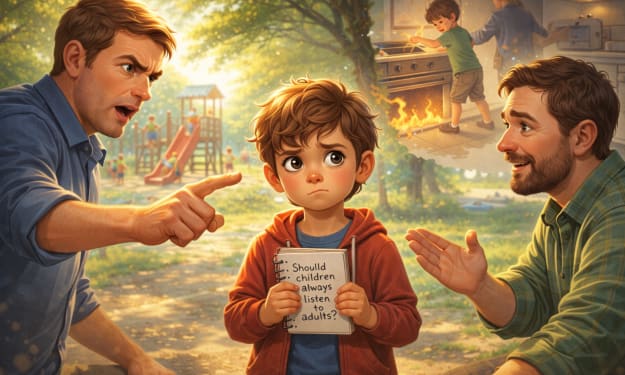
Should Children ALWAYS listen to Adults?
Many people believe children should always listen to adults because adults have more experience and knowledge about life. Adults have faced many situations and learned from their mistakes over time. Because of this, they often try to guide children and help them avoid problems. However, others argue that adults are not always right and that children should also learn to think for themselves. Children are individuals with their own thoughts and ideas, and sometimes they may see things differently from adults. This text will explore both sides of the argument to understand whether children should always listen to adults.
By *+*+*~Teja~*+*+*6 days ago in Families
Worth the Wait: Puerto Viejo, Costa Rica
Beach bumming in a small Caribbean beach town sounded like a perfect way to end our 6-month trip through Mexico and Central America. Or so we thought. The foul, fishy stench of rotten seaweed hit our nostrils as we stepped from the cramped bus and looked out at a rather depressing, empty, and underwhelming black sand beach. It was pouring with rain, and we had to quickly fish out our ponchos. We thought, this couldn’t be it, could it?
By Sh*t Happens - Lost Girl Travel7 days ago in Wander



Comments
There are no comments for this story
Be the first to respond and start the conversation.