
Common Challenges in Real Estate Appraisal
How to Overcome Them
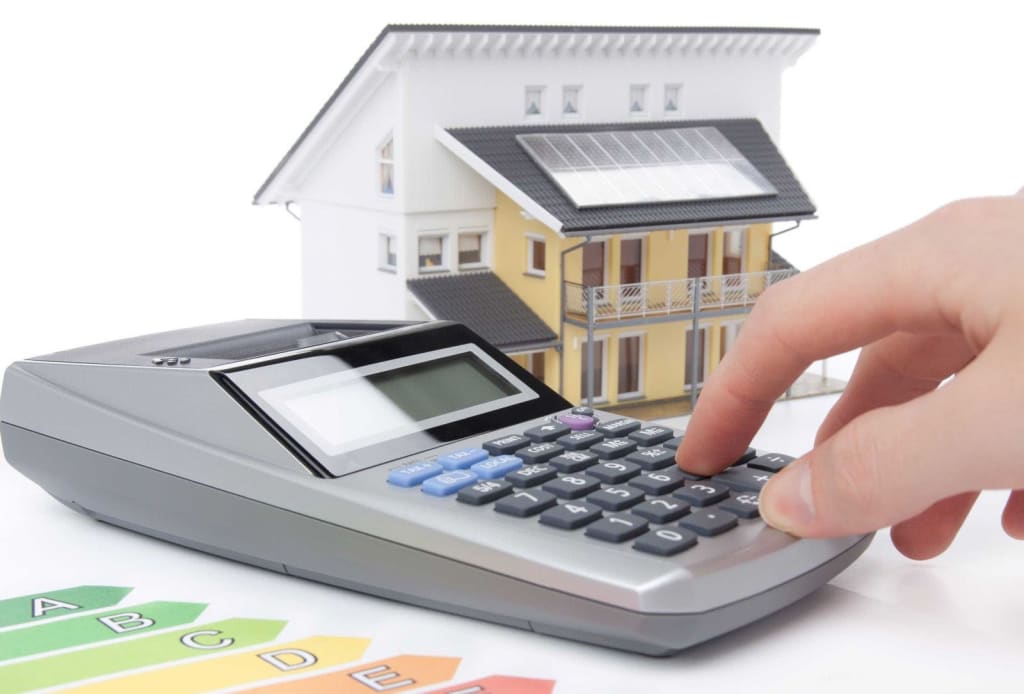
Real estate appraisal plays a crucial role in determining the value of a property. However, the appraisal process can be complex, and appraisers often encounter challenges that can impact the accuracy and reliability of their valuations. In this article, we will explore common challenges in real estate appraisal and provide insights on how to overcome them effectively.
Limited Data Availability: One common challenge in real estate appraisal is limited data availability. Appraisers rely on comparable sales, market trends, and historical data to assess property value accurately. However, in certain areas or for unique properties, finding sufficient and relevant data can be challenging. To overcome this, appraisers can widen their search parameters, leverage multiple data sources, and consider alternative valuation approaches, such as the income approach or cost approach, when applicable.
Subjectivity in Property Evaluation: Appraising properties involves subjective judgments based on professional expertise and market knowledge. The interpretation of property characteristics, condition, and location can vary among appraisers, leading to differences in valuation. To mitigate subjectivity, appraisers should adhere to standardized appraisal methods, rely on objective criteria, and continuously update their knowledge of local market trends and regulations. Collaboration with other professionals or seeking peer reviews can also help ensure a more objective appraisal.
Market Volatility and Fluctuating Property Values: Real estate markets can be subject to volatility and fluctuations in property values due to various factors like economic conditions, changes in demand, or regulatory changes. Appraisers must stay informed about market dynamics and adapt their valuation methods accordingly. Utilizing updated data, considering market trends, and incorporating appropriate adjustments to comparable sales can help overcome this challenge.
Complex Property Features: Properties with unique or complex features, such as historic buildings, environmentally sustainable features, or non-traditional designs, can pose challenges for appraisers. These properties may not have sufficient comparable sales, making it difficult to determine their market value accurately. To address this challenge, appraisers can research and analyze similar properties in different markets, consult with experts in specific property types, and consider the cost and income approaches to support the valuation process.
Time Constraints and Deadlines: Appraisers often face time constraints and deadlines, especially in time-sensitive transactions. Limited time can impact the thoroughness of research and analysis, increasing the risk of errors or oversights. To manage time constraints effectively, appraisers should prioritize tasks, leverage technology tools for data gathering and analysis, maintain clear communication with clients, and seek assistance when necessary. Proper time management and adherence to professional standards are crucial to ensure accurate and reliable appraisals.
Regulatory Compliance and Quality Control: Appraisers must adhere to regulatory guidelines and quality control standards to maintain professionalism and credibility. Compliance with appraisal regulations, including the Uniform Standards of Professional Appraisal Practice (USPAP), is essential. Challenges arise when dealing with evolving regulations and ensuring consistency in appraisal practices. Appraisers can stay updated with regulatory changes, engage in continuing education, participate in peer review programs, and maintain detailed documentation to ensure compliance and quality control.
Real estate appraisal comes with its fair share of challenges, but appraisers can overcome them through knowledge, adaptability, and professionalism. By addressing limited data availability, mitigating subjectivity, staying informed about market dynamics, considering complex property features, managing time effectively, and adhering to regulatory compliance, appraisers can provide accurate and reliable valuations. The appraisal profession continues to evolve, and by proactively addressing challenges, appraisers can enhance the credibility of their work and contribute to a more transparent and reliable real estate market.
About the Creator
Keep reading
More stories from Luna Blake and writers in Families and other communities.
How to Stage a Home for a Quick Sale?
When selling a home, staging plays a crucial role in attracting potential buyers and maximizing its appeal. Effective staging can help create a positive first impression, highlight the property's best features, and ultimately lead to a quicker sale. In this article, we will provide expert tips and tricks on how to stage a home for a quick and successful sale.
By Luna Blake3 years ago in Families
The Empty Mansion and the Small Hut: A Lesson in True Wealth
By Hazrat Umer Why having everything money can buy might still leave you with nothing. I once knew a man named Sameer. Sameer was a very successful businessman in 2020. He had everything a person could dream of: a giant mansion with marble floors, three expensive cars, and a bank account that never ended. He was always busy, moving from one meeting to another, his phone ringing every second. People looked at him and said, "He is the luckiest man in the world."
By Hazrat Umerabout 19 hours ago in Families
The Inheritance That Wasn’t Written
When the lawyer read the will, everyone leaned forward, expecting numbers, property details, and formal language. Instead, the room fell silent after the first page. There was no list of assets. No division of land. No mention of money. Only a handwritten letter addressed to the family.
By Sudais Zakwan4 days ago in Families



Comments
There are no comments for this story
Be the first to respond and start the conversation.