
Choosing Ride-on Toys for Different Age Groups of Children
Ride-on Toys for Different Age

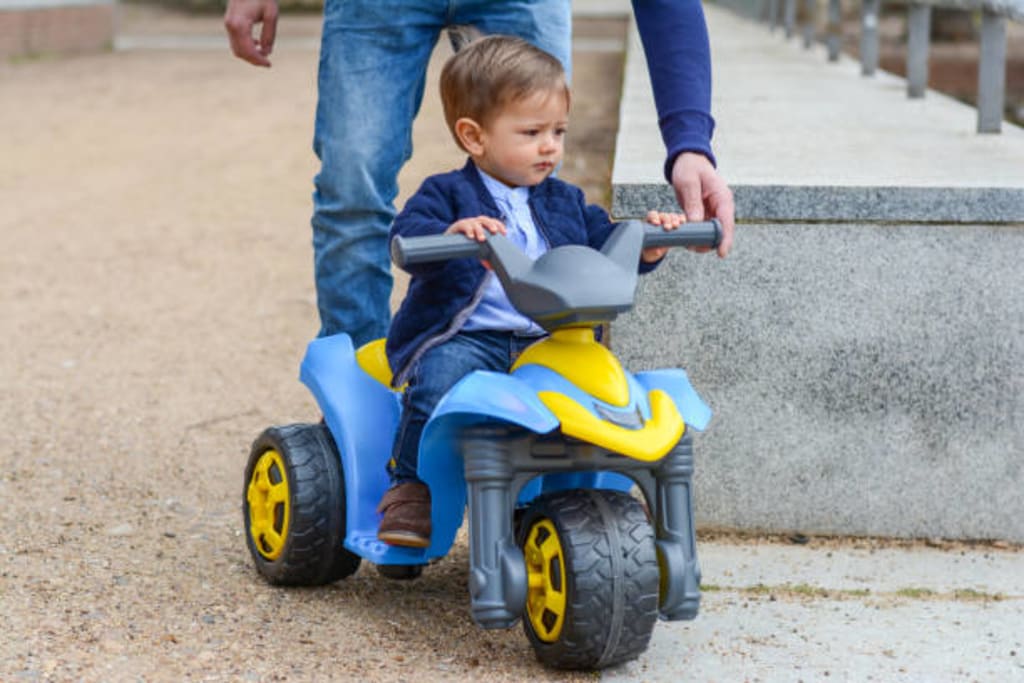
Ride-on toys are those that children can propel forward, either through self-power or with the aid of electric or gasoline engines. These toys are highly popular among children. They offer the excitement of moving toys and the satisfaction of imitating important adults in their lives. Ride-on toys play a significant role in children's development of balance, body coordination, and motor skills. They include sit-on toys, motor vehicles, bicycles, skateboards, scooters, tricycles, and rocking toys.
The suitability of ride-on toys for children depends on several physical factors. First, balance is important. Depending on the specific toy, balancing may be more or less demanding. Generally, wider or multi-wheeled vehicles are easier to balance. Second, wheel speed affects the difficulty level. Faster-moving wheels mean higher speed and greater difficulty. Finally, the type of drive mechanism also plays a role. Children-propelled wheel toys are the slowest, while pedal-powered or gear-driven vehicles move faster. Motorized vehicles may have different speed settings, with faster speeds requiring more advanced physical skills. Babies under one year old are not suitable for ride-on toys due to their lack of balance. The balance required for these toys typically develops when children are stable in walking. Generally, children should not use ride-on toys without appropriate protective gear, especially helmets.
When determining the appropriate age for ride-on toys, the following characteristics should be considered:
- Size of parts (or size of the toy itself)
- Motor skill requirements
- Licensed designs
- Realism/Detail level
The order of these characteristics may vary as the child’s age changes. Below, we will discuss the relationship between the characteristics of these toys and the traits of children at different age groups, including which types of ride-on toys are suitable and how children in each age group use them.
Ride-on Toys for 12 to 18 Months
Children at this stage only begin to play with ride-on toys that they can push with their feet once they have achieved a certain level of stability in walking. At this age, especially for children who have just turned one, they may not yet alternate their feet when pushing the toy forward. They also cannot yet pedal, so they push the toy forward with both feet simultaneously. For safety reasons, ride-on toys must be stable. Vehicles with four or more wheels are more stable than those with three or two. The wheels should be spaced wide enough to ensure stability but not too wide, which could make it difficult for toddlers to straddle the seat. The vehicle’s body should be low enough so that the child can get on and off easily, with their feet flat on the ground when seated.
For flexibility, embedded wheels are useful as they prevent the child’s feet or legs from getting caught in the wheels. Swivel wheels or regular wheels work well, but for younger toddlers, swivel wheels might be better, as they allow the vehicle to move in any direction without tipping over. At this stage, there’s no need for a steering wheel as young children who are just learning to walk may not know how to use it effectively. A small and easy-to-ride rocking horse is ideal to reduce the risk of falling. When seated, the child’s feet should be able to touch the ground or the base of the rocking horse, and the rocking arc should be limited.
Ride-on Toys for 19 to 23 Months
Children aged 19 to 23 months are capable of operating ride-on toys that are pushed with the feet, but these toys are more difficult to steer and control, making them harder to use than straddle toys. Ride-on toys for this group should include bright colors, distinctive sounds (like horn honks or vehicle movement noises), and features like covers and storage compartments. Children in this age group are particularly drawn to toys that produce sounds or feature hidden compartments that they can interact with. They enjoy transporting or collecting items that can be stored in the toy’s compartment. A four-wheeled vehicle is suitable for them, while a small, easy-to-ride rocking horse is also good to reduce the risk of falling. When seated, the child’s feet should be able to touch the ground or the base of the horse, and the rocking arc should be limited. Rocking horses are especially popular if they are realistically designed or have nostalgic value (such as models that have been passed down for generations) and can produce sound. With adult guidance, some children may also understand how to stop or move a slow-moving motorized vehicle, but they are unlikely to have the skills to navigate around obstacles or hazards.
Ride-on Toys for 2 Years Old
Like younger toddlers, two-year-olds enjoy the same features in ride-on toys. This is the stage when children begin to engage in role-playing games, and realistic vehicles like fire trucks are very popular. At this stage, parents are likely to encourage role-playing and may buy children vehicles that resemble real ones. Two-year-olds' coordination and balance abilities have improved, and they can now operate ride-on toys that require bouncing on and off the seat. Therefore, slow-moving tricycles with wide pedals are appealing to them. Some two-year-olds, especially those closer to two and a half, may begin riding tricycles with pedals. However, they are still not proficient in this skill. Battery-powered vehicles are also popular at this stage among children and their parents. Physically, they are capable of driving these vehicles, but most two-year-olds lack the ability to steer and avoid obstacles while controlling the vehicle.
Ride-on Toys for 3 Years Old
Three-year-olds can pedal and have developed the coordination needed to use a steering wheel or handlebars. They are capable of riding tricycles and can control balance on vehicles with two wheels, although their balance skills for bikes and two-wheeled vehicles have not yet fully developed. They enjoy riding pedal-powered tricycles and four-wheel vehicles. The size of the tricycle should match the child's height, with wheel diameters around 12 or 13 inches. They can also ride a bicycle with training wheels, although it's better to have a foot brake since they cannot yet use hand brakes. At this age, children can control slow-moving, battery-powered vehicles using a steering wheel.
Ride-on Toys for 4 to 5 Years Old
Children aged 4 to 5 years prefer vehicles designed for older children. They are less interested in the ride-on toys typically used by younger children and are more drawn to bicycles and scooters. At this stage, they also start showing an interest in skateboards. They are capable of riding battery-powered vehicles. Depending on their experience, many five-year-olds can balance and coordinate well enough to ride two-wheeled bicycles and bicycles without training wheels. However, they may not yet understand the dangers of riding in areas with traffic, and they are at a higher risk of falling and injuring themselves. Therefore, adult supervision is necessary.
Ride-on Toys for 6 to 8 Years Old
By age six, most children are physically capable of riding bicycles without training wheels. They also begin to understand the risks of riding in areas with traffic and pedestrians. Their coordination is well developed, allowing them to use hand brakes effectively. If the bicycle is appropriately sized, they can also mount it while standing, with their feet firmly planted on the ground. Children at this stage enjoy riding popular wheel-based vehicles like scooters and skateboards, and they are proficient in operating slow-moving motorized vehicles, especially four-wheeled ones.
Ride-on Toys for 9 to 12 Years Old
Children aged 9 to 12 are skilled at riding bicycles and scooters. They can ride bicycles with multiple gears and enjoy using branded bikes or skateboards designed for extreme sports. They are generally more aware of traffic rules but may still engage in risky behavior, such as riding in traffic or performing stunts. Typically, children aged 9 to 12 can operate motorized vehicles with speeds not exceeding 10 mph and with gear-shifting capabilities. However, even 12-year-olds are not suited for riding fast motorized bikes or small motorcycles, as they may struggle to maintain balance and control the steering at higher speeds.
About the Creator
Wise~Guys
— Look Behind what's in Front of You ~ Make Good Choices — Hey, So how you Doin'..! Made~Men — Mobster Movies romanticise a distinctive, elegant appearance, impeccable attire style, along with the 'Families' expressive lingo. Making their 'Bones' gave them Panache — with vintage fedoras, tailored pin-striped suits, mirror-polished wing-tip shoes adorned with tassels; with their 'Gun Moll' gorgeous dates on their arms.
By Jay Kantor19 days ago in Families
Raising Children Alone: Choice, Circumstance, and the Emotional Consequences We Rarely Talk About
In recent years, more people are raising children alone. Sometimes it is a deliberate choice. Other times it is the result of loss, separation, abandonment, or the need to leave an unsafe situation. Society often debates the decision itself, asking whether it was chosen or forced, as if that distinction determines whether the emotional weight is valid.
By Eunice Kamauabout 17 hours ago in Families




Comments
There are no comments for this story
Be the first to respond and start the conversation.