
Childhood Trauma and Its Effects on the Frontal Lobe:
Myths, Truths, and Moving Forward

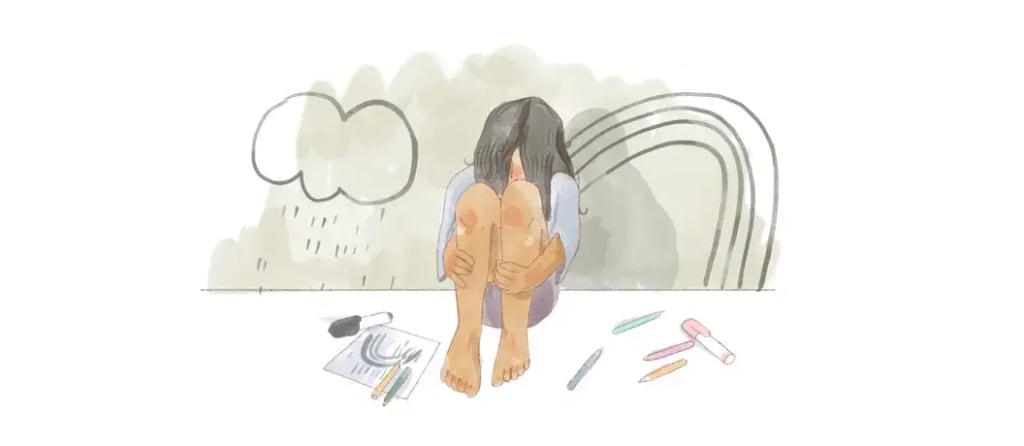
Childhood trauma is more common than we’d like to think, and it can leave lasting marks on our mental and physical health. Let’s break down the myths, truths, and everything in between about how childhood trauma affects the brain, especially the frontal lobe, and how we can move forward.
Childhood trauma includes any event or series of events that seriously impacts a child's development and sense of safety. This could be anything from physical, emotional, or sexual abuse to neglect, losing a parent, or being around violence. These experiences can cause immediate reactions like fear and anxiety, and the long-term effects can stick around into adulthood, messing with relationships, self-esteem, and overall mental health.
The frontal lobe is like the brain’s control centre for decision-making, emotional regulation, and behaviour Trauma can mess with this area, leading to issues with self-control, attention, and social interactions. Research shows that kids who go through trauma often have noticeable changes in the frontal lobe.
For example, a study by Mateer and Williams (1991) found that kids with trauma-related frontal lobe injuries showed long-lasting changes in how they think and behave. They might struggle with impulse control, handling emotions, and planning all essential functions of the frontal lobe.
There are some big myths about Childhood Trauma. One myth is that kids are resilient and will just "get over" it. The truth is, without proper help, the effects can linger into adulthood.
Another myth is that trauma only affects kids who remember it. But even very young children who don't have clear memories of the trauma can still be deeply affected. Trauma responses can become ingrained, influencing behaviour and emotional health later in life.
Generational trauma is when trauma gets passed down through families. This can happen through behaviors, coping mechanisms, and even genetic changes. Families with a history of trauma might see patterns of anxiety, depression, and other mental health issues repeating across generations. It’s important to understand this but also to focus on individual healing.
Kids who experience trauma might grow up to be either takers or givers, depending on the severity of the trauma.
Takers often become self-focused, trying to fill the void left by their traumatic experiences. They might struggle with relationships and act in ways that are all about self-preservation.
Givers, on the other hand, often become very nurturing and empathetic, many times at their own expense. They might feel a deep need to create the safety and stability they lacked as children.
Healing from childhood trauma is tough but necessary. At some point, everyone needs to find a way to move forward. This involves recognizing the trauma, seeking support, and embracing ways to heal. With the right medication, therapy, and a strong support system, adults who have experienced childhood trauma and PTSD can lead balanced, happy lives.
Therapies like cognitive-behavioral therapy (CBT), eye movement desensitization and reprocessing (EMDR), and mindfulness can be incredibly effective. Many people who have suffered from childhood trauma have managed to overcome their past and live fulfilling lives, proving that healing is possible.
Childhood trauma can have a profound impact, especially on the frontal lobe. Myths and misconceptions often make it harder to seek help, but understanding the truth is the first step toward healing. Remember, trauma is not your fault. With the right support and and therapy, you can move forward and reclaim your life.
About the Creator
MoriaCavandish
Born and raised on the beautiful West Coast in British Columbia Canada
All stories, poems, erotica and works are the sole property of
Moria Cavandish 2004- 2023
Keep reading
More stories from MoriaCavandish and writers in Families and other communities.
The Shadow in the Screen: Why Your Child’s Identity is the New Gold for AI Hackers
I remember the first time I saw it. A photo of my niece, the one I had taken at her fifth birthday party, appearing on a profile that didn’t belong to anyone in our family. The name was different. The location was halfway across the world. But the smile was unmistakably hers.
By Alex Sterling 6 days ago in Families




Comments
There are no comments for this story
Be the first to respond and start the conversation.