
Celebratory Attire: Dressing Loved Ones and Relatives during Marriages
Marriage Rituals in Punjab

Introduction:
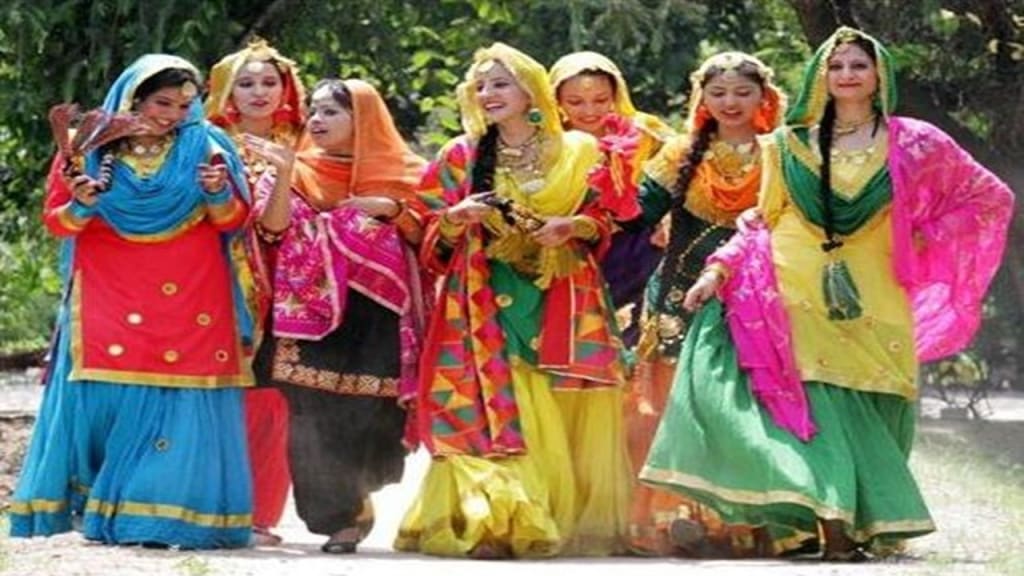
In Punjab, a state in Northern India known for its vibrant culture and rich traditions, weddings hold immense significance. They are grand, joyous celebrations that bring families and communities together. A crucial aspect of these festivities is the attire worn by loved ones and relatives of the bride and groom. Punjab's traditional wedding attire reflects the region's cultural heritage, emphasizing opulence, elegance, and vibrant colors. This article delves into the celebratory attire of Punjab, exploring the clothing choices, significance, and evolving trends associated with dressing loved ones and relatives during marriages.
Traditional Attire
Punjab's traditional wedding attire showcases the essence of the region's culture and heritage. For women, the traditional dress is the salwar kameez, comprising a long tunic-style top known as the kameez, paired with a loose-fitting trouser called the salwar. The ensemble is completed with a colorful dupatta, a long scarf draped over the shoulders. The kameez is often intricately embroidered, adorned with sequins, mirror work, and zari (metallic thread) to add a touch of glamour. The vibrant colors, such as red, orange, pink, and green, are popular choices for wedding attire, symbolizing joy, prosperity, and celebration.
Men in Punjab typically wear the traditional kurta pajama or sherwani during weddings. The kurta pajama consists of a knee-length tunic paired with loose-fitting trousers. The sherwani, a long coat-like garment, is often embellished with intricate embroidery and worn over a kurta and churidar (tight-fitting trousers). The colors of the outfits vary, with shades of gold, maroon, and cream being popular choices. Men complement their attire with turbans or pagris, which hold great cultural significance and symbolize honor and respect.
Evolving Trends:
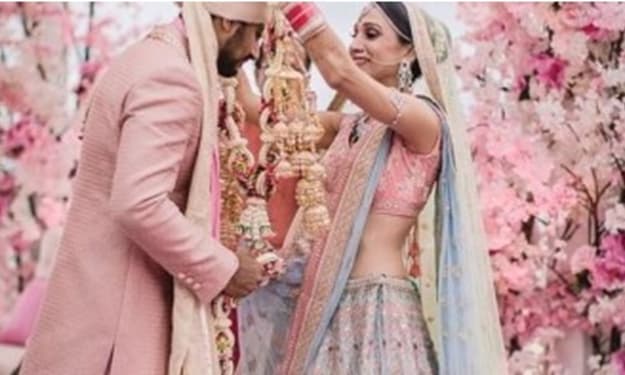
While traditional attire remains popular, modern influences and changing fashion trends have led to the emergence of fusion wear and contemporary styles in Punjab's wedding celebrations. Many individuals now opt for Indo-Western outfits, combining traditional elements with Western cuts and designs. Women may choose lehengas, a skirt-like garment paired with a crop top or blouse, which exudes grace and elegance. These lehengas often feature intricate embroidery, mirror work, and embellishments, combining traditional aesthetics with contemporary designs.
Another emerging trend is the incorporation of Western wear into Punjabi weddings. Sarees, a traditional Indian garment, are being replaced by gowns and evening dresses for certain functions, such as receptions and cocktail parties. These dresses exhibit modern silhouettes, luxurious fabrics, and Western-inspired designs, providing a refreshing twist to the celebration.
Color palettes have also evolved, with pastel shades gaining popularity alongside the traditional vibrant hues. Soft pinks, peaches, and mint greens have found their way into wedding attire, offering a more subtle and sophisticated aesthetic. This shift allows for a harmonious blend of tradition and modernity, catering to diverse tastes and preferences.
Significance and Symbolism (Word Count: 500 words) The celebratory attire worn by loved ones and relatives during Punjabi weddings holds deep cultural significance. It represents the region's traditions, values, and sense of community. The opulence and vibrancy of the outfits symbolize prosperity, joy, and good fortune, creating an atmosphere of abundance and happiness during the wedding festivities.
The intricate embroidery and embellishments on the garments are not just decorative but also carry symbolic meanings. Motifs like peacocks, lotus flowers, and paisley patterns are commonly used, representing beauty, purity, and new beginnings. The craftsmanship and attention to detail displayed in the attire reflect the importance placed on the celebration of love and union.
The choice of colors also holds significance. Red, considered auspicious and a symbol of love and fertility, is a staple in Punjabi wedding attire. Other vibrant colors like orange, pink, and green represent energy, happiness, and prosperity. The colors chosen for each function may vary, with the bride and groom often opting for attire that complements each other, symbolizing their union and harmonious partnership.
Conclusion:
Punjab's celebratory attire during weddings reflects the rich cultural heritage of the region. The traditional clothing choices, evolving trends, and symbolic meanings associated with the attire of loved ones and relatives contribute to the grandeur and joy of these celebrations. While traditional outfits remain popular, fusion wear and contemporary styles have gained prominence, allowing for a seamless blend of tradition and modernity. The significance and symbolism embedded in the garments convey the values and aspirations of the Punjabi community, creating an atmosphere of abundance, love, and unity. As Punjab continues to evolve and embrace global influences, the celebratory attire of loved ones and relatives during marriages preserves the essence of tradition while embracing new styles, making each wedding a vibrant and memorable affair.
About the Creator
Dr. Amjad Ali Bhatti
Dr. Amjad Ali Bhatti is a multifaceted individual who has made significant contributions in the fields of research, translation, literature, and social activism.
Keep reading
More stories from Dr. Amjad Ali Bhatti and writers in Families and other communities.
Pag Than: Traditional Attire Gifted during Marriages
Introduction Pag Than is a traditional practice observed during weddings in certain cultural communities. On this auspicious occasion, close relatives, both men and women, are gifted pairs of clothes. The men's ensemble typically comprises muslin for the turban and a few yards of cloth for the apron or shalwar. Pag Than, as this attire is called, holds significant cultural and social value, reflecting the traditions and customs of the community. In this essay, we will explore the historical background, cultural significance, and elements of Pag Than, shedding light on how it enhances the wedding celebration and fosters a sense of unity and togetherness.
By Dr. Amjad Ali Bhatti3 years ago in Families


Comments
There are no comments for this story
Be the first to respond and start the conversation.