
Can Dogs Eat Marshmallows? Everything You Need to Know
Can Dogs Eat Marshmallows

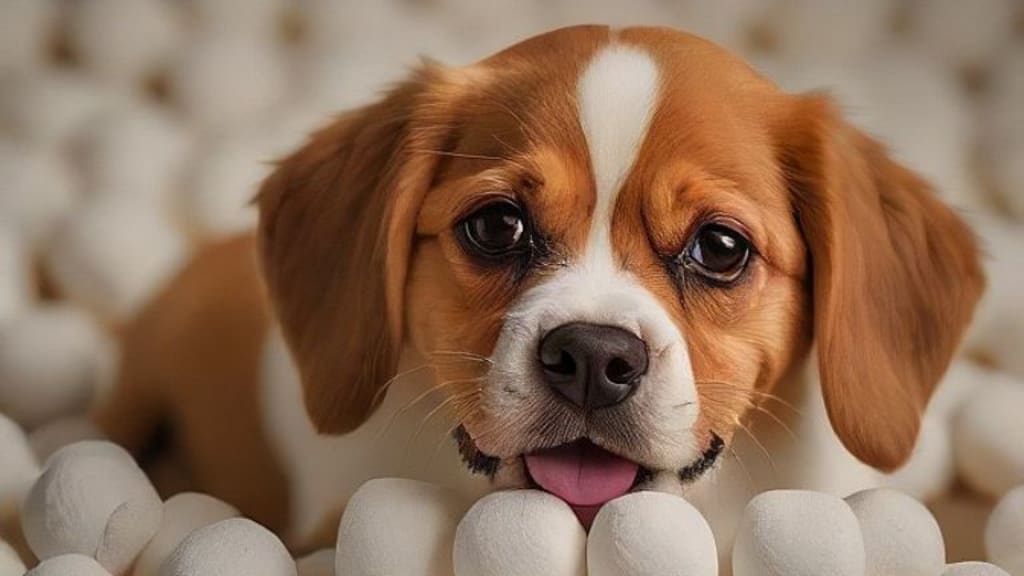
Dogs are loyal and curious companions, often eager to share a bite of whatever you're snacking on. That said, not all human foods are safe for dogs. If you're wondering, "Can dogs eat marshmallows?" you're not alone. Marshmallows are a sugary treat many of us love, but are they safe for our furry friends?
Spoiler alert: While marshmallows may look harmless, they're not a safe snack for dogs. This blog explores everything you need to know, from the dangers of marshmallows to healthier alternatives for your pup.
Whether you're a new dog parent or a pet-savvy pro, there's always more to learn. Keep reading to discover why it's best to keep marshmallows off your dog's menu and how you can treat them safely.
Why Do People Ask, "Can Dogs Eat Marshmallows?"
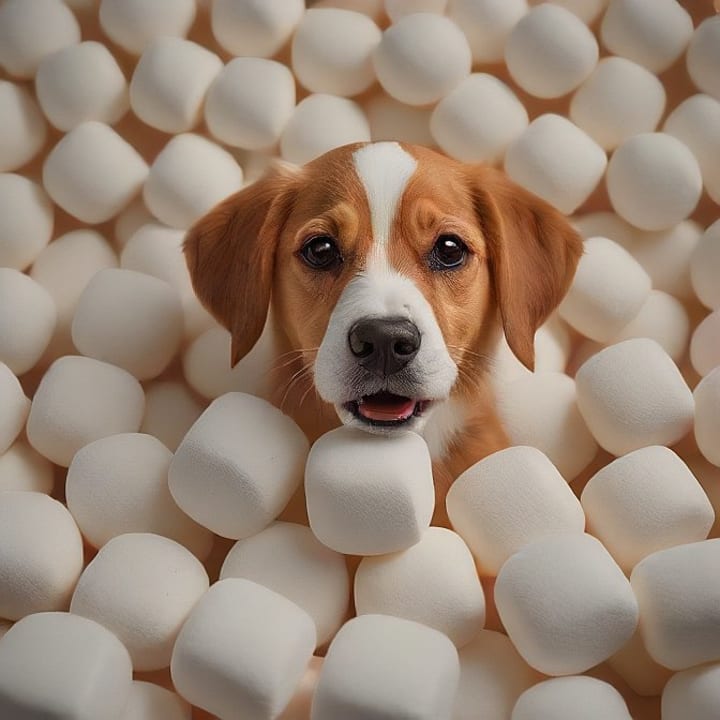
It's common to want to share your happiness with your dog—especially when enjoying a sweet treat like marshmallows. They're soft, fun, and seem harmless. But looks can be deceiving.
The question, "Can dogs eat marshmallows?" is more important than it seems. Understanding what's inside a marshmallow and how those ingredients affect dogs will help you make better choices for your pet's well-being. And remember, just because something is safe for humans doesn't mean it's safe for dogs.
What Are Marshmallows Made Of?

To honestly answer, "Can dogs eat marshmallows?" we must examine their ingredients. Most store-bought marshmallows contain the following:
Sugar: Marshmallows are loaded with sugar, which can lead to weight gain, dental problems, and even diabetes in dogs.
Corn Syrup: A source of unnecessary calories that offers no nutritional benefit.
Gelatin: While not harmful, it's often combined with the other unhealthy ingredients in marshmallows.
Artificial Additives: Flavors, colors, and preservatives can upset your dog's stomach or cause allergic reactions.
Xylitol (in Sugar-Free Versions): This artificial sweetener is toxic to dogs and can cause a dangerous drop in blood sugar, seizures, or even liver failure.
With such an unhealthy ingredient list, it's clear that marshmallows don't belong in your dog's diet.
The Risks of Feeding Marshmallows to Dogs
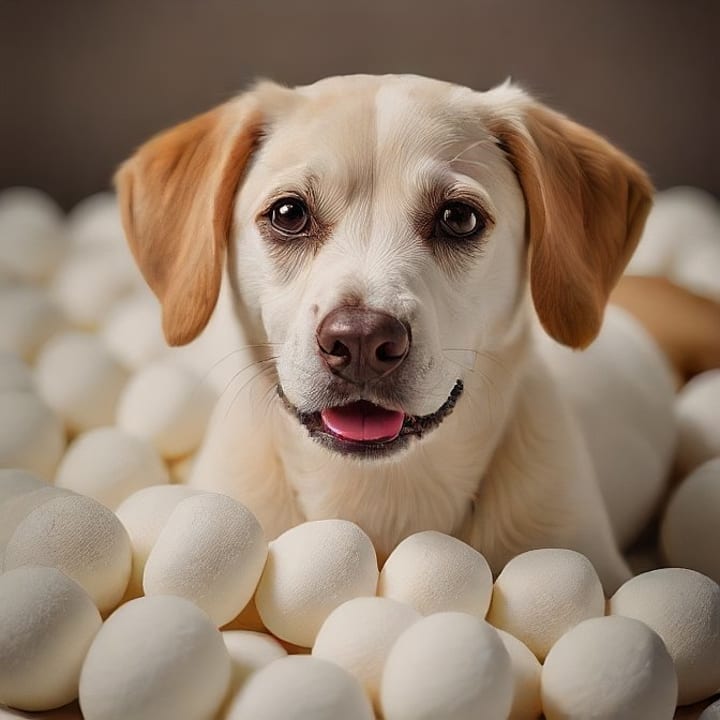
While a plain marshmallow might not instantly hurt your dog, making marshmallows a habit can lead to long-term health issues. Here's why it's safer to avoid them altogether:
1. High in Sugar
Sugar isn't just bad for humans; it's terrible for dogs, too. Over time, excessive sugar intake can contribute to obesity, diabetes, and dental problems. Dogs don't have the metabolic tools to process large amounts of sugar safely.
2. Risk of Xylitol Poisoning
If you're indulging in sugar-free marshmallows, never share them with a dog. Many sugar-free versions contain xylitol, which is highly toxic to dogs, even in small amounts. Symptoms of xylitol poisoning can appear within minutes and include vomiting, lethargy, and seizures.
3. Digestive Upset
Even miniature marshmallows can cause diarrhea, bloating, or vomiting due to their artificial additives and high sugar content.
4. Choking Hazard
Marshmallows' soft, sticky texture can become a choking hazard, particularly for smaller breeds.
What to Do If Your Dog Eats Marshmallows

If your dog accidentally eats a marshmallow, here's how to handle the situation calmly:
Check the Ingredients: Look for xylitol or other toxic ingredients.
Monitor Your Dog: Watch for warning signs like vomiting, lethargy, or diarrhea.
Call Your Vet: Contact your veterinarian immediately if the marshmallows contain xylitol or your dog shows unusual symptoms.
When in doubt, it's always best to consult a vet to ensure your dog's safety.
Healthier Alternatives to Marshmallows for Dogs
Just because marshmallows are off the table doesn't mean your dog can't enjoy treats. Here are some healthy alternatives that are delicious and safe for dogs:
Carrot Sticks: Crunchy, sweet, and packed with vitamins.
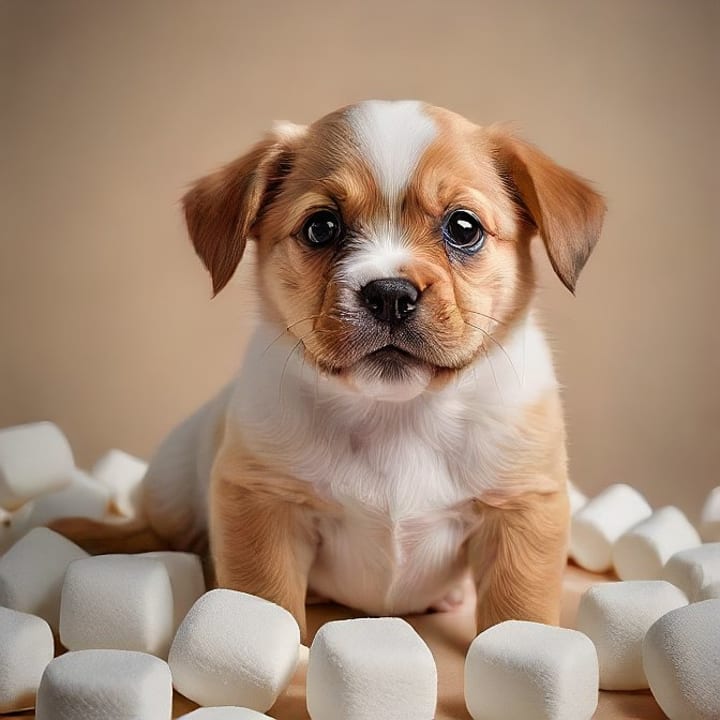
Apple Slices (No Seeds): A natural sweet treat full of fiber and nutrients.
Blueberries: Rich in antioxidants and perfect as bite-sized snacks.
Pumpkin Pulp (Unsweetened): Great for digestion and a tasty dessert substitute.
Sweet Potatoes: Thinly sliced and baked, these make excellent chews.
These options provide your dog with essential nutrients without the risks associated with marshmallows.
Training Treats and Rewards
Instead of reaching for sugary marshmallows, opt for dog-friendly training treats available at pet stores. You can also make DIY treats at home using wholesome, dog-safe ingredients.
Pro Tip: Avoid using food designed for humans. Stick to items specifically developed for your dog's health.
Why Your Dog Deserves Better
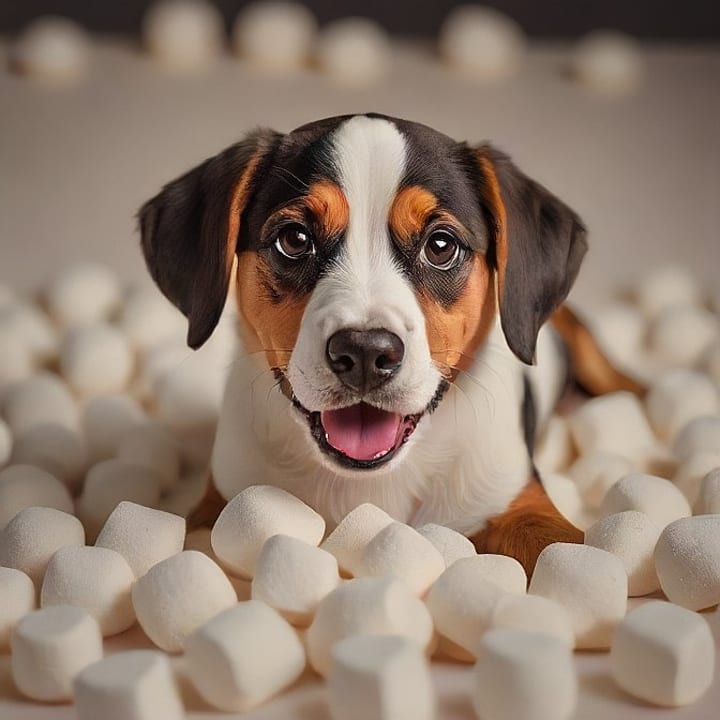
It's tempting to share your favorite snacks with your dog, especially when they give you those irresistible puppy-dog eyes. However, as a responsible pet parent, making decisions prioritizing their health and well-being is essential.
By saying no to marshmallows and yes to dog-safe treats, you're not just protecting your furry friend from potential harm—you're ensuring they stay happy, healthy, and full of energy for years to come.
Final Takeaway: Can Dogs Eat Marshmallows?
The simple answer is no—dogs should not eat marshmallows. While your dog might be okay after nibbling a plain marshmallow, it's not a risk worth taking. From high sugar content to toxic ingredients like xylitol, marshmallows offer no nutritional or health benefits for your pet.
Your dog deserves better! Instead of sharing marshmallows, explore healthier options like fruits, veggies, or dog-approved treats. And when in doubt, consult your vet to make the best choices for your loyal companion.
About the Creator
Keep reading
More stories from Tanya Carroll and writers in Families and other communities.
Greater Swiss Mountain Dog – Everything You Need to Know
Are you looking for a loyal, strong, and dependable companion? Meet the Greater Swiss Mountain Dog, a magnificent breed with a heart as big as its stature. Known for its eye-catching tricolor coat and loving temperament, the Greater Swiss Mountain Dog (Swissies, as they're affectionately called) has captured the hearts of dog enthusiasts worldwide.
By Tanya Carrollabout a year ago in Families
The Family Portrait
I have a thing against confident men. Don’t get me wrong—I do not hate them. I am just amazed by their sheer arrogance. To look life in the face and turn it to stone, Medusa-like. To smile at a camera and not be fazed by the lights flashing millisecond by millisecond. To wear jewelry and not fear that it will slip from sweat on their wrists, their necks, or their fingers.
By Brian Kennedyabout 16 hours ago in Families
Becca
"Everything is so... flat." Denille said stupidly as she looked around her new neighborhood. She looked around at the muted desert where even the smallest sign of life seemed to have given up. The plant life was shrubs that were half cooked by the heat and where there should have been a lawn, a mess of white rocks laid glistening in the sun. Even the sky looked stretched thin, like the sun had ironed it smooth. She’d moved from Riverside, where at least there were hills, but here in Barstow, everything felt baked and brittle.
By Sara Wilson7 days ago in Fiction




Comments
There are no comments for this story
Be the first to respond and start the conversation.