
Buying a House: Things To Keep In Mind
Buying a Home: Things to Consider
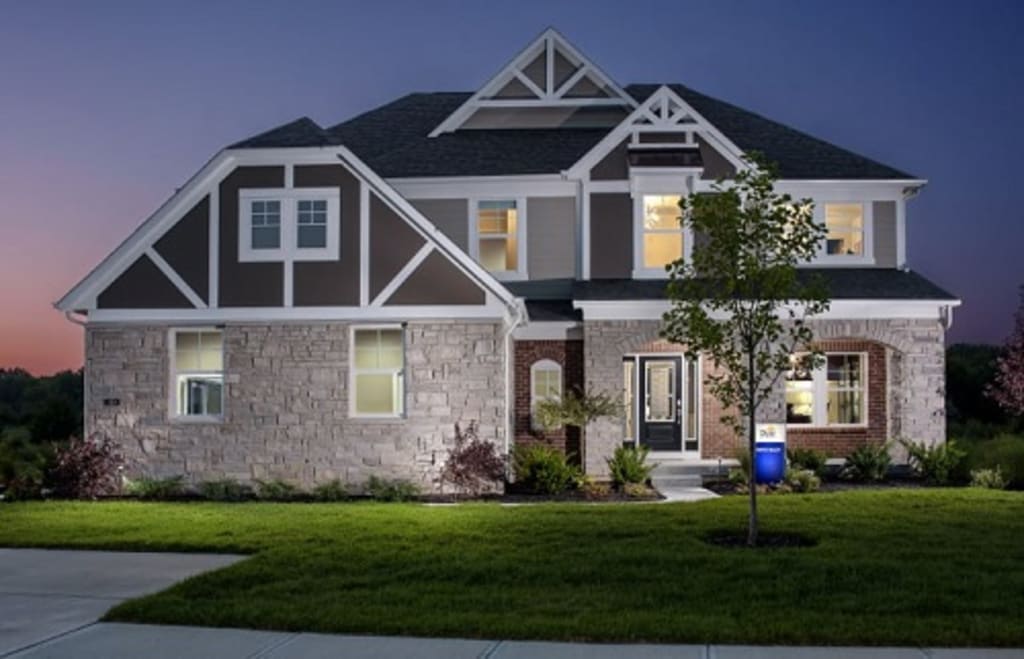
You might ask, "how much can I afford?" if you're ready to buy a house. Knowing the answer to that question requires examining several factors. Learn how to analyze what "affordability" means before you buy that seemingly fantastic deal on a home. It's important to consider factors such as debt-to-income ratios and interest rates.
Learn About Your Debt-to-Income Ratio
Money is the obvious first decision point. A house can certainly be afforded if you have sufficient funds to buy it in cash. Experts agree that getting a mortgage on a new home can allow you to afford the purchase even if you did not pay in cash. However, what is an affordable mortgage?
Federal Housing Administration (FHA) guidelines for approving mortgages use a 43% debt-to-income (DTI) ratio standard. This ratio helps determine whether a borrower can make their monthly mortgage payments. The mortgage market and general economic conditions may enable some lenders to be more lenient than others. A 43% DTI means all your monthly debt payments and housing-related expenses, including property taxes, homeowners insurance, homeowners association fees, and so on, shouldn't exceed 43% of your gross monthly income.
The total amount you should spend on debt payment is $1,720 if your monthly gross income is $4,000. As an example, let's assume you are already paying $120 monthly for your credit card, $240 for your car loan, and $120 for your student loans. This comes to $480 per month. Consequently, you can have as much debt for a mortgage as you want and still be within your maximum debt to income ratio. However, fewer debts are always better.
Lenders' requirements for mortgages
In addition, you should take the ratio of debt-to-income into consideration, which compares your income to the monthly amount you would incur from housing expenses alone such as mortgages and insurance. This ratio should be no higher than 28 percent for lenders. Even if you have no other obligations, $4,000 in monthly income will prevent you from being approved for $1,720 in housing expenses. A housing cost of under $1,120 is appropriate for a DTI of 28 percent.
In the event you do not have other debt, why would you not be able to incorporate the entire debt-to-income ratio? This is because the lender does not like you to live on the edge. We have all experienced misfortunes, such as losing our jobs, having our cars totaled, or having a medical condition that prevents us from working. Then you wouldn't be able to incur additional expenses when you need or want to.
A mortgage is typically a long-term commitment. Don't forget that you will need to continue making these monthly payments for the next 30 years. Therefore, you ought to evaluate your main income source. Also, bear in mind the possibility that your expenses may rise over time.
Market Conditions
In the event that your finances are in order, the next consideration is your local housing market, whether you are moving or staying. Home ownership is a major expense. It is great to have money to buy something, but it does not answer whether it is financially a wise purchase.
Answering the following question would help you determine if renting is cheaper than buying. Renting is more expensive than buying, and that's a major reason to buy. A home purchase should also be considered from a long-term perspective. Generations ago, buying a home was practically a sure way of making money. Purchasing a home for $20,000 in the past and selling it for five or ten times its value today could have been possible for your grandparents. Recessions and other disasters can test the theory that real estate is a secure investment, and may lead potential buyers to reconsider this position.
The real estate market crashed during the Great Recession in 2007, causing many homeowners to lose money and walk away from their homes that were worth far less than the price they paid when they bought them. In addition to considerations like mortgage interest payments, upgrades to the property, and ongoing or routine maintenance, be sure to factor in the cost of interest on a home loan.
Season
A decision can also be influenced by the seasons of the year. For those who want to pick from the widest possible selection of homes, shopping in the spring is the best time. One reason for this is because most homes are geared for families who want to settle down before the new school year begins in the fall.
In cold climates, or during the height of summer in tropical states (the off-season for your area), you may want to look for sellers who may be experiencing less traffic, which could result in them being more flexible on price. It is likely there will be fewer options, and sellers may not receive multiple offers because inventories will be smaller.
Wrapping Up
With these factors in mind, you can make your decision - whether you’re ready to buy a house or not. When you do decide to buy one, we can help you build it. The best home builders in Indian are Tempest Homes. In the Greater Lafayette, Indiana area, we build new custom homes. We can build move-in-ready and large-lot homes on homesites that are large enough for families to live in. Contact us for more information!
About the Creator
Keep reading
More stories from writers in Families and other communities.
Wise~Guys
— Look Behind what's in Front of You ~ Make Good Choices — Hey, So how you Doin'..! Made~Men — Mobster Movies romanticise a distinctive, elegant appearance, impeccable attire style, along with the 'Families' expressive lingo. Making their 'Bones' gave them Panache — with vintage fedoras, tailored pin-striped suits, mirror-polished wing-tip shoes adorned with tassels; with their 'Gun Moll' gorgeous dates on their arms.
By Jay Kantor25 days ago in Families
The Wise Rooster
The Wise Rooster “You are fortunate,” the ox said to the donkey, “because I plow the fields all day while you live in comfort.” The donkey replied, “If you listen to me, you too can find peace. Pretend to be sick tomorrow while working, and the owner will not make you work.”
By Sudais Zakwan4 days ago in Families
Book Review: "The Queen" by Andrew Morton
You're probably wondering why on earth I would read this book. It was free and it was a fair length. That was basically it at first. But another reason is because I enjoyed the show The Crown and so, it only makes sense to read a book that goes through separating facts from fictions - and to be fair, there aren't a lot of fictions about the show it seems. From the birth of the little princess and the way in which her father was reluctantly to become the king, all the way to meeting and marrying the veteran prince, Duke of Edinburgh and even down to the death of her father, queendom and beyond, this book actually gives us a lot about a woman who basically embodied the greatness and modernisation of the British 20th Century.
By Annie Kapur7 days ago in Geeks



Comments
There are no comments for this story
Be the first to respond and start the conversation.