
"Beneath the Quiet Sky"
When Meera woke, the world still held its breath.

When Meera woke up, the morning sun had hardly had time to stretch across the cracked rooftops. Her eyes opened before the village stirred and before the rooster crowed. The wind, which crept through the gaps in the tin roof, whispered of another long day ahead while the cold still clung to the floor.
She sat up slowly, not out of tiredness, but to listen—just for a moment. Her husband, Ramu, still snored quietly beside her, and their two children, curled up like kittens, lay huddled together under the patched quilt. Meera smiled faintly. She then got up, pulled her flimsy shawl tighter, and entered the kitchen.
There wasn’t much to cook—just a few leftover rice grains from last night and a handful of lentils she’d soaked before sleep. No vegetables today. The onions were gone three days ago, and the oil barely coated the bottom of the tin. Still, Meera knew how to make a meal out of almost nothing. She’d learned it not from books or schools, but from her mother, and her mother before that. The women in her family had always cooked with their hearts, and a deep understanding that love could make even the plainest meal taste rich.
Unfazed by the cold, her rough, calloused hands worked swiftly. Her hands, rough and calloused, worked quickly, unbothered by the cold. Across the courtyard, she saw the neighbor’s wife hanging clothes—Sarita, always kind, always tired. They shared a quick smile. Words weren’t needed. Life here taught women to speak in glances, in gestures, in shared silence.
Back inside, Meera woke Ramu with a gentle touch and handed him a steaming steel cup of tea. He worked as a daily laborer at the construction site 8 kilometers away. Some days there was work; many days there wasn't. But he always tried. That, Meera respected deeply.
“Eat before it gets cold,” she said softly.
He nodded, still groggy, and she watched him eat with the quiet satisfaction of someone who had, once again, managed to provide.
After the family was fed, Meera tidied the house—a single-room structure with mud walls, a corrugated iron roof, and a curtain that served as a door. Then she set out for her work.
Sophie cleaned the dishes in three different houses in the village. Each house was different. One belonged to a schoolteacher, kind but sharp-tongued; another to a shopkeeper’s wife, generous with tea but stingy with wages. The third was a widow who rarely spoke but always offered a banana to take home for the children.
Meera walked from house to house with a cloth bundle slung over her shoulder—soap, an old scrubber, and a towel. Her sari was always clean, though faded, and her hair was tied back in a neat braid. She prided herself on her appearance, even if the world rarely noticed. Dignity was one thing no poverty could steal.
By midday, her stomach rumbled and the sun was beating down hard. She returned home briefly, drank water, checked on the children who were playing barefoot in the dust, then set out again—to gather firewood from the edge of the forest nearby. It was technically illegal, but no one really stopped the women. They all needed something to burn.
Her afternoons were often spent helping other women in the village—stitching torn clothes, sharing lentils, looking after babies while their mothers went to the town market. It wasn’t work that paid, but it wove her into the fabric of the community. In poverty, isolation was dangerous. They survived because they had each other.
Once a week, Meera took the long walk to the town, where she sold handmade pickles and papads. They didn't bring much money, but every rupee mattered. She had dreams, too—quiet ones. She wanted her daughter, Pihu, to go to school without missing a single day for chores. She wanted her son, Arjun, to grow tall and strong, to eat more than just rice and salt.
Sometimes, in the deep hush of the night, Meera would sit by the dim lantern and stitch small embroidery onto handkerchiefs. She sold them to a trader in town who promised they’d go to the city. She never saw where they ended up, but she imagined someone far away, someone rich, wiping tears or sweat with her design in their hands.
Life was hard, yes. But Meera didn’t think of it as suffering. To her, it was just life. A rhythm of effort, love, and tiny victories.
Like when Ramu brought home two rupees more than expected. Like when Pihu got full marks in her math test. Like when the sky turned pink in the evening and the whole family sat outside, laughing at nothing in particular.
One evening, a small storm rolled in. The tin roof rattled like bones, and rain poured through the ceiling, landing in bowls Meera quickly placed to catch the drops. The children shrieked, half in fear, half in delight. Meera laughed too. There was no use being angry at the rain. It would come when it wanted.
As she sat there, wet, tired, but content, she realized something. Though their roof leaked, their hearts didn’t. They were full—of love, of hope, of the strength that came from knowing tomorrow would come, and they would face it, together.
**Epilogue**
Meera’s life may never make headlines. She will never be interviewed or applauded. But she is the quiet backbone of a million homes just like hers. A woman whose every act is a stitch in the great quilt of survival. A provider, a caregiver, and an independent fighter.
And beneath the quiet sky, she continues—cooking, cleaning, loving, hoping—because that’s what wives in poor families do. Not because they have no choice, but because they choose to keep going.
About the Creator
Keep reading
More stories from Md. Ashraful Azad and writers in Families and other communities.
''A Daily 5-Minute Workout Can Significantly Impact Your Health"
our fast-paced, always-on world, carving out time for a full workout can feel nearly impossible. Between work responsibilities, family duties, and everything in between, exercise often gets pushed to the bottom of the priority list. But here's the good news: you don’t need an hour-long gym session to see real health benefits. Just five minutes a day of intentional movement can make a huge difference in your overall well-being.
By Md. Ashraful Azad11 months ago in Families
Holiday Cooking Traditions: Classic Festive Recipes That Bring Families Together
The joy of celebrations often begins in the kitchen, where holiday cooking traditions turn simple meals into meaningful family moments. During festive seasons, many homes fill with the smell of roasted food, baked desserts, and warm spices. These smells create a feeling of comfort that people remember long after the holiday ends. Families gather around the kitchen table to prepare dishes that have been enjoyed for many years. Parents guide children through simple tasks, such as mixing ingredients or setting the table. Grandparents often share stories about how certain recipes became part of family celebrations. The process of cooking together builds stronger family bonds. Every dish prepared carries a memory of laughter, teamwork, and shared effort. Many people look forward to these cooking moments as much as the meal itself. Holiday cooking also reminds people to slow down and enjoy time with loved ones. Through these traditions, food becomes more than a meal, becoming a celebration of togetherness.
By Kevin Knaselabout 14 hours ago in Families
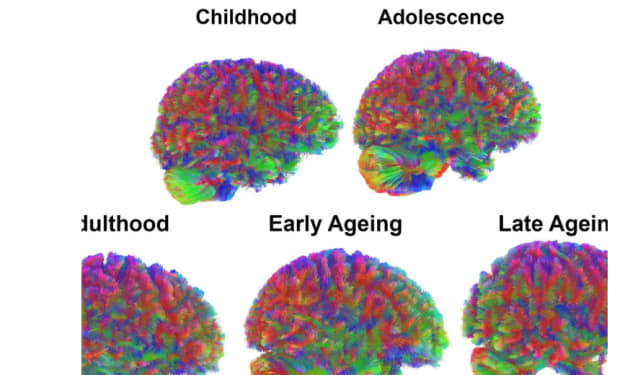
The "most crucial" ages for human brain growth, maturity, intelligence, and general ability are four.
From the time of our birth until the very end of our lives, our brains undergo gradual changes. These shifts influence how we learn, think, remember, and react to the world. They might be gradual at times or abrupt at others.
By Francis Dami3 days ago in Families
TUS NUA - ch 53
TUS NUA – ch 53 New Beginnings – Mia and Midnight (*)(*)(*) Finola knew Ali’s brother-in-law needed to put his mind at rest. She fed her arm through his and led him outside. “We’ll sit here. If you like, I can put a block around us so our conversation will be private.”
By Margaret Brennan2 days ago in Fiction



Comments (1)
This was such an engaging read! I really appreciated the way you presented your thoughts—clear, honest, and thought-provoking. Looking forward to reading more of your work!