
Behind Closed Doors
A Story of Struggles Hidden in Plain Sight

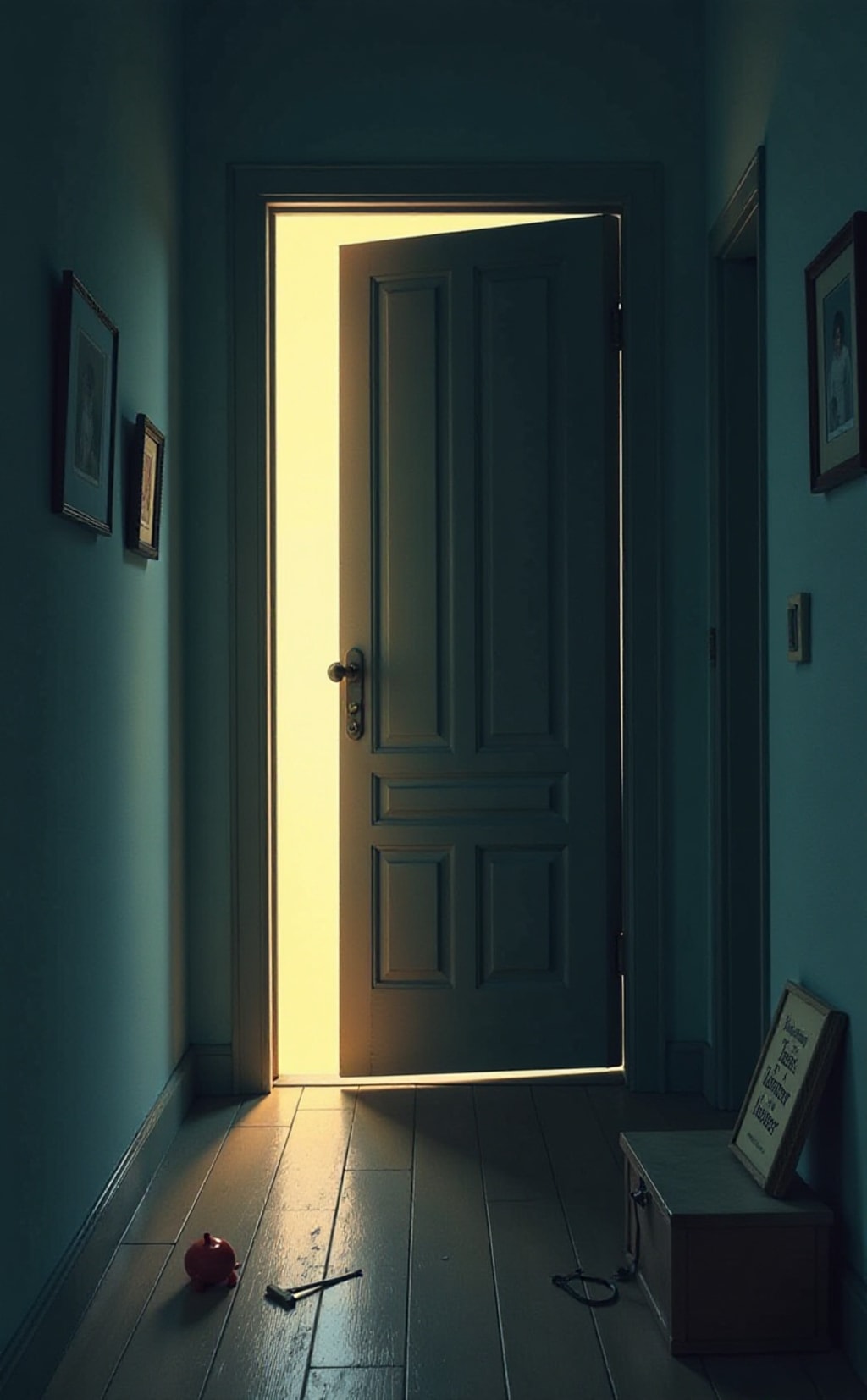
Behind Closed Doors
Unspoken Battles Within the Walls of Home
Every morning, the Sharma household came alive with the scent of cardamom tea and the soft clatter of steel utensils. Neighbors believed it to be the most perfect house on Shanti Lane. Its garden bloomed year-round, the paint never chipped, and the smiles from its residents—especially Meera Sharma—seemed effortless.
But doors, when closed, can hide entire storms.
Meera, 42, mother of two, had mastered the art of composure. Her sarees were always neatly pleated, her hair tied back in a low bun, and her voice, calm. Even when the silence at the dining table stretched long, or when her husband Vikram barely looked up from his newspaper, Meera carried on with mechanical grace.
It hadn’t always been this way.
In the early years, Vikram had been gentle. He would bring her jasmine flowers from the market, and hold her hand under the table during family dinners. But somewhere between promotions and deadlines, and perhaps after the miscarriage that neither of them talked about, the warmth began to cool.

Their son, Aarav, now sixteen, had grown into a quiet, observant teenager. He preferred the solitude of his room, his headphones a shield from the frequent cold wars between his parents. His sister, Tara, just ten, was still too young to fully understand, but old enough to sense something was off.
It was during one particularly hot April afternoon when the façade began to crack.
The power had gone out. The air felt heavy. Vikram returned home early from work, his shirt damp with sweat and frustration. Meera stood at the kitchen counter, rolling out dough.
“I told you to get the inverter fixed,” Vikram snapped, throwing his briefcase on the sofa.
Meera paused, then turned slightly. “I called the technician. He said he’d come tomorrow.”
“That’s what you said yesterday.”
His tone sliced through the stale air, and Aarav, upstairs, removed one earbud, listening.
“I’m doing the best I can, Vikram,” Meera said, barely above a whisper.
“Your best isn’t enough,” he muttered.
And just like that, the silence that usually cloaked their conflicts gave way to something raw.
Tara, who had been coloring on the floor, looked up. “Mama?”
Meera turned and forced a smile. “It’s okay, beta. Just go to your room.”
Later that evening, as night blanketed the house, Meera found herself in the balcony, staring out at the stars. Aarav joined her, wordlessly.
After a moment, he asked, “Are you happy, Mom?”
Meera blinked. No one had asked her that in years. She looked at her son—his hair uncombed, his eyes too serious for someone his age.
“I don’t know,” she said honestly.
The next day, Meera went to her old bookshelf, the one filled with forgotten dreams—her journals, poetry books, and the teaching certificate she never used. She pulled out a notebook and began to write.
Each night, while the rest of the house slept, Meera wrote letters. Not to anyone in particular, but to the woman she used to be—the woman who once laughed loudly, who dreamed of traveling, of becoming more than a wife and a mother.
The letters became her sanctuary.
One evening, Aarav found one. It wasn’t hidden well. He read it silently, tears brimming. The words were simple but aching:
"I miss the sound of my own voice."
"I have become a guest in my own life."
"I wish someone saw me."
He folded the letter and returned it, saying nothing. But the next day, he did the dishes without being asked. The day after, he helped Tara with her homework. He didn’t know how to fix things for his mother, but he understood now why she always looked tired.
Meanwhile, Meera slowly began to reclaim fragments of herself. She joined a local women’s support group under the guise of volunteering. There, she met Rekha, a lawyer-turned-counselor who had also once lived behind closed doors. They talked over chai and shared stories—some tragic, some empowering. Meera started to smile again. Genuinely.
When Vikram noticed the shift in her, he asked, “What’s going on with you lately?”
“I’m remembering who I was,” she replied simply.
He didn’t understand. Maybe he never would.
Months passed. The house still looked perfect from the outside, but inside, things had changed. There were still silences, but they were less suffocating. Meera spoke more freely. Aarav asked more questions. Tara drew happier pictures.
On her 43rd birthday, Meera gifted herself a desk. A small, second-hand one that she placed by the window. It became her writing corner. She wasn’t hiding anymore.
One evening, Vikram came home to find a note on the fridge:
“Dinner’s in the fridge. I’m at my writing class. Love, Meera.”
He stared at it for a long time. Something about the firmness of her handwriting unsettled him. It was the same script he remembered from their love letters years ago—but steadier now, surer.
Behind closed doors, many homes keep secrets—some of violence, some of sorrow, and some of silent longing. But in the Sharma household, change began not with confrontation, but with a whisper—a journal entry, a question from a son, a step into the light.
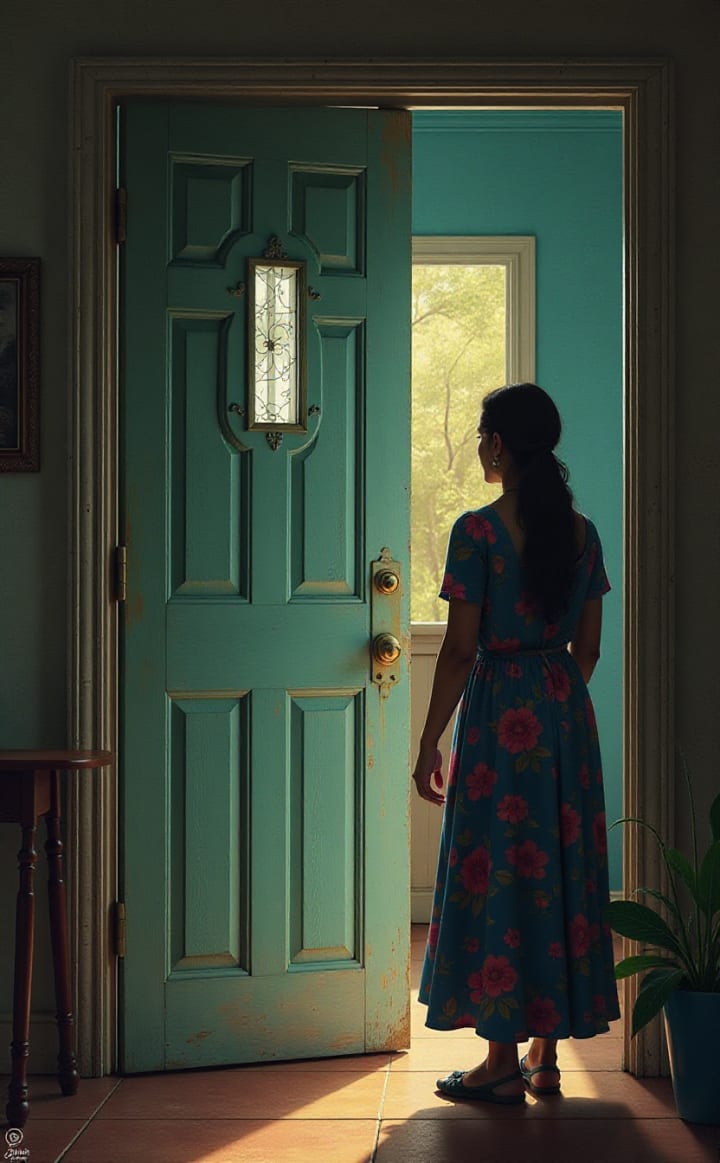
And though the house still stood just as neatly on Shanti Lane, something had shifted forever.
The door was no longer entirely closed.
About the Creator
Keep reading
More stories from Habibullah khan and writers in Families and other communities.
When Strangers Become Allies
In the course of our lives, we cross paths with countless individuals—some of them fleeting encounters, while others leave a lasting impact. But there are some connections that are unexpected, surprising, and transformative. These are the friendships that emerge from the most unlikely circumstances, where differences in background, culture, and personality seem to make any form of connection improbable. Yet, through the shared experiences of life, these very differences can serve as the foundation for some of the most meaningful relationships.
By Habibullah khan 10 months ago in Families
In the End, Family Is Everything
"Family is not always about blood. It is about the people who choose to stand beside you when life becomes difficult." In a world that moves too fast, where everyone is chasing something — success, money, recognition — there is one place where we can still return without needing to prove anything.
By Zakir Ullah5 days ago in Families
Hottest in the Office
Dear Rafi, You’re very distracting to work around. For the first second I saw you the other day, I thought you were some type of executive. It took a moment to realize no, you were just the new guy, dressed up for the job he wants. Be still, my heart.
By Gabriel Shames5 days ago in Pride



Comments
There are no comments for this story
Be the first to respond and start the conversation.