
Bathroom Faucet Sizes: How to Choose the Right Size Faucet for Your Bathroom
Choose the Perfect Bathroom Faucet Size with These Guidelines

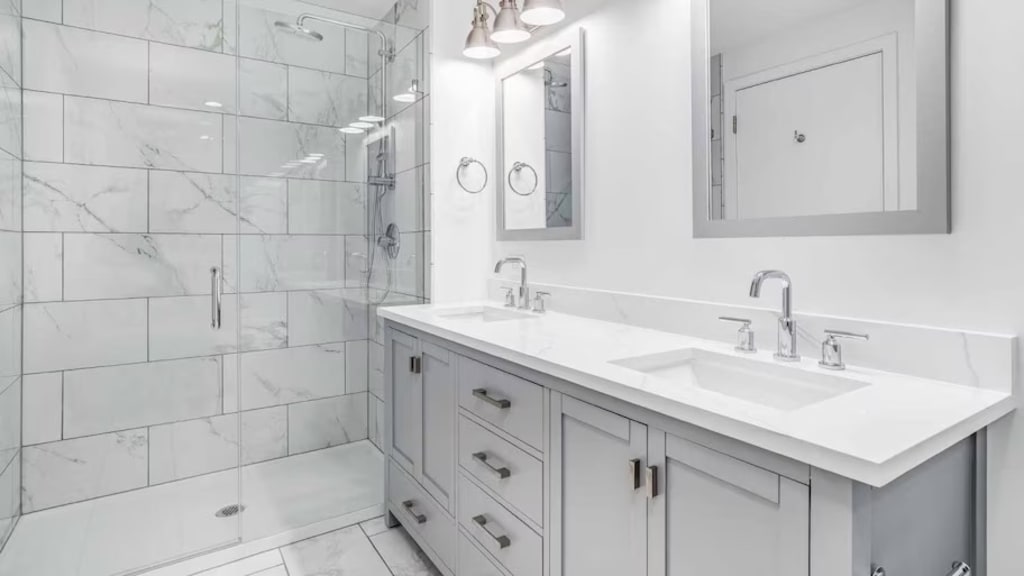
4 Types of Faucets and How to Choose One
Faucets play an essential role in controlling and regulating running water in areas such as your kitchen, bathroom, or laundry room. While they may appear similar on the outside, their interiors can vary greatly and understanding their components can aid in selecting a new one or handling repairs. Here, we will analyze the different types of faucets and key factors to keep in mind when renovating, repairing, or upgrading.
1. Ball Faucet
Best for: Kitchens and bathrooms
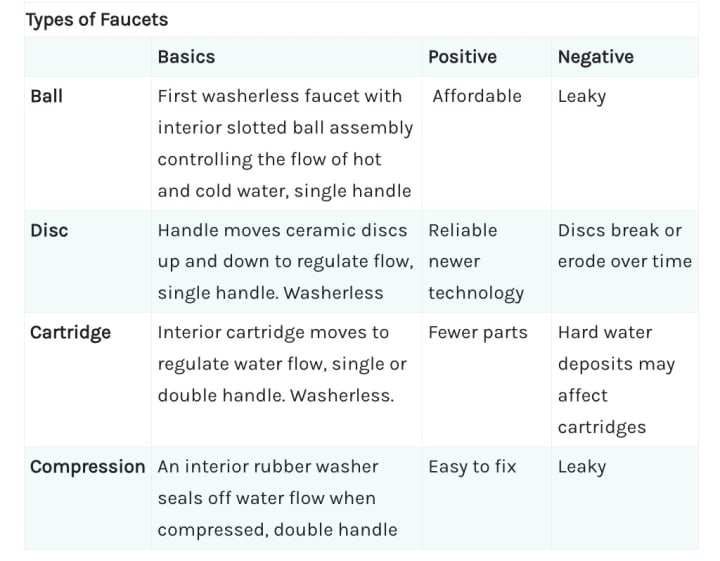
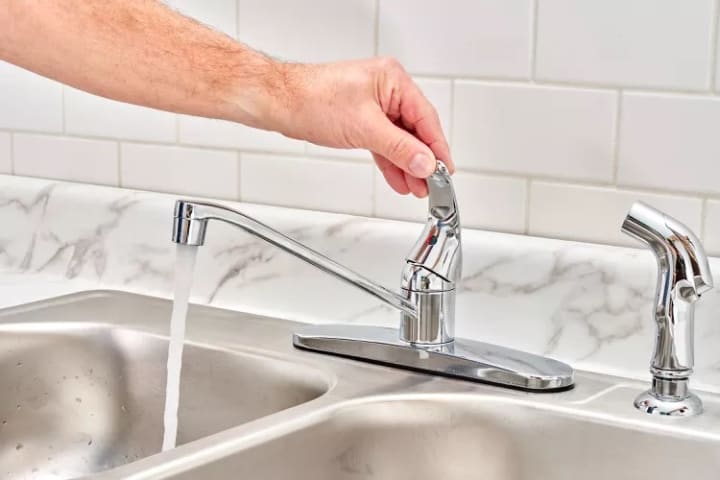
The ball faucet is a type of washerless faucet commonly found in kitchen sinks. Its unique design features a single handle that moves over a rounded ball-shaped cap located above the base of the faucet spout. Inside the faucet body is a special plastic or metal ball that is controlled by the handle. This ball has chambers or slots, along with rubber O-rings and spring-loaded seals, which allow for precise control of water flow and temperature depending on its position.
While the outer structure of the faucet is equally sturdy to those of other types, the internal components may require more upkeep. Due to the complex composition of this faucet, ball faucets tend to have a higher leakage rate compared to washerless faucets like cartridge or disc types. Nevertheless, the ball faucet remains a budget-friendly option due to its outdated technology.
2.Disc (or Disk) Faucet
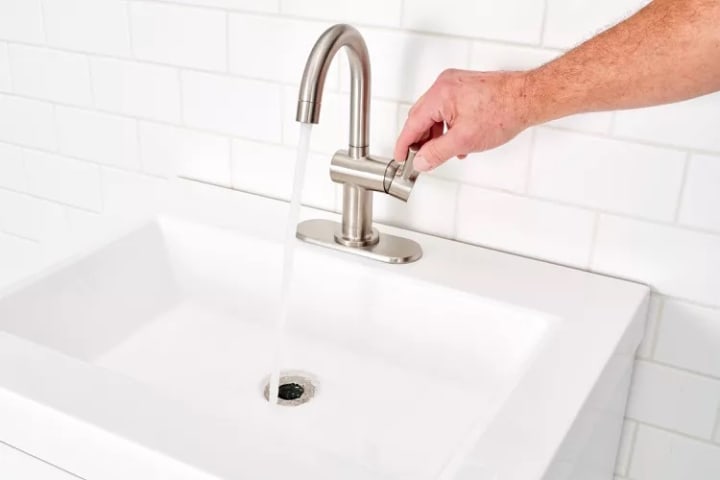
Best for: Kitchens and bathrooms, ideal for people with grip issues
Ceramic disc faucets utilize a single lever and a cylindrical body to mix hot and cold water inside a pressure balance cartridge, making them a cutting-edge development in faucet technology. The temperature can be controlled by rotating the handle, while two ceramic discs in the mixing chamber regulate the volume of water flow. These faucets are known for their durability, reliability, and high quality, resulting in minimal repairs. However, their advanced technology and long-lasting design also come with a higher price tag compared to traditional faucets.
Our water-saving faucets are designed for ease of use, requiring minimal effort to operate. The touch-sensitive feature is especially convenient for individuals with arthritis or difficulty gripping objects.
3. Cartridge Faucet
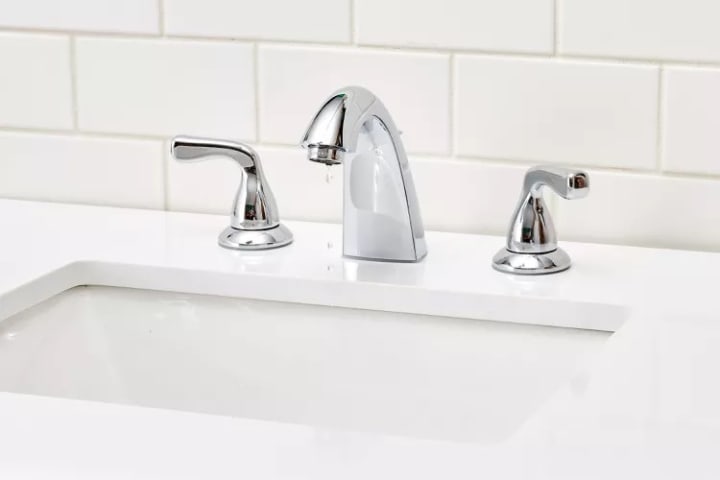
Best for: Kitchens and bathrooms
When comparing double-handle cartridge faucets to compression washer faucets, it may be difficult to tell them apart. To differentiate, pay attention to the feel of the handles when in use. A compression faucet necessitates tightening the washer to stop the flow of water, while a cartridge faucet offers a smoother and more consistent action. With only a half-turn, the handle easily moves from off to on, without needing extra pressure like with a compression faucet.
The durability of these cartridges allows for easy replacement and lower maintenance, but their cost may vary depending on the manufacturer and model of your sink, with some ranging upwards of $100.
4. Compression Washer Faucet
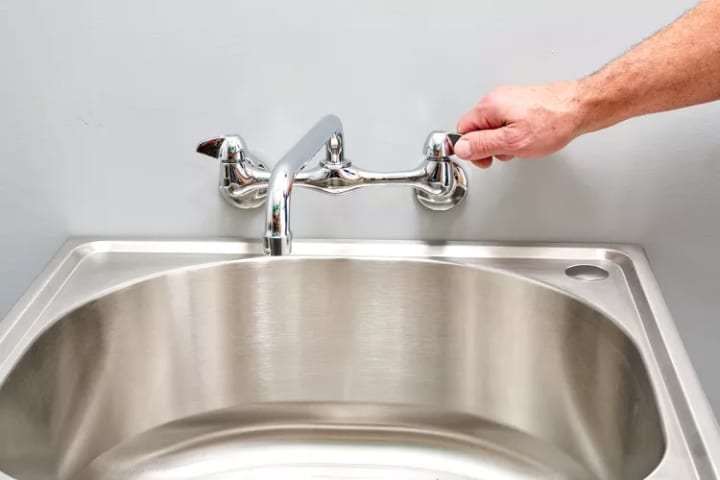
Best for: Utility sinks, usually found in older homes
Compression washers have been a staple in indoor plumbing for decades. While common in older homes, updated models are also frequently used in newer homes, particularly in utility sinks. Although these faucets are generally more affordable, their long-term durability can be an issue, as they tend to develop leaks and require frequent maintenance. However, the bright side is that replacement parts are incredibly affordable.
Identifiable by their separate hot and cold water handles, compression washer faucets require you to tighten the handles to stop the water flow. These faucets utilize a compression stem, which is a screw with a washer at the end that presses against a valve seat.
Revamp your bathroom with a brand new faucet that is the perfect fit.
When pairing a faucet with a sink, the right choice can make a statement in your bathroom's aesthetic. From single-hole options to wall-mounted styles, the different types available can greatly impact the overall look. However, it's important to note that not all bathroom faucets are the same size. Before purchasing a new faucet, it's crucial to understand the sizing requirements to ensure a proper fit for your sink, decor, and lifestyle.
Is There a Standard Size for Bathroom Faucets?
There are three main types of bathroom faucets: centerset, single-hole, and widespread, along with additional options such as vessel sink and wall-mount faucets. These options come in various sizes to accommodate different sink types and installations, although most have standard dimensions that fit most sinks with pre-drilled fixture holes. However, wall-mount faucets may require specific installation methods.
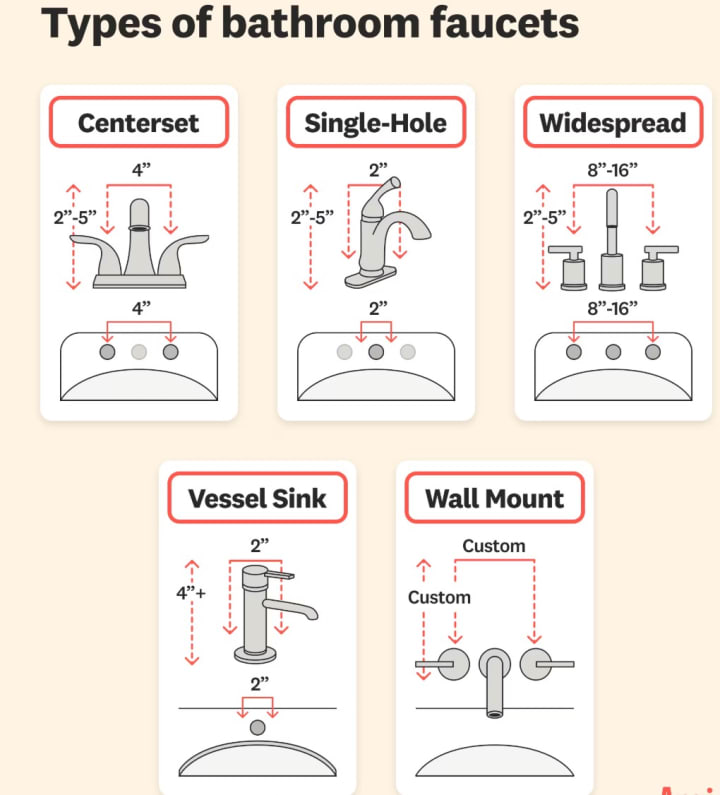
Bathroom Sink Faucet Size by Type
When purchasing a new faucet, it is crucial to ensure it will fit your sink, as different sinks require different sizes of faucets. This is particularly important when replacing an old faucet or if your sink already has pre-drilled holes. Be sure to carefully measure and select the proper size to avoid any installation issues.
Centerset Faucet
Mini-widespread faucets, also known as centerset faucets, are a popular choice for bathroom installations. These faucets feature a central spout and two handles attached to a single base, which requires three holes for installation. Most models have handles spaced 4 inches apart, though there are some that have a 6-inch spacing.
Single-Hole Faucet
This type of faucet, known as a single-hole faucet, can be equipped with either one or two handles. However, due to the handle being connected to the spout, only one hole is needed for installation. These versatile faucets can accommodate both centerset and widespread holes by using a deck plate or escutcheon plate to conceal any unnecessary holes.
Widespread Faucet
The most suitable option for three-hole basins is widespread faucets, due to their wider space between handles. These faucets typically feature separate handles and spouts, and are commonly found with a handle-spout distance of 6 to 16 inches.
Vessel Sink Faucet
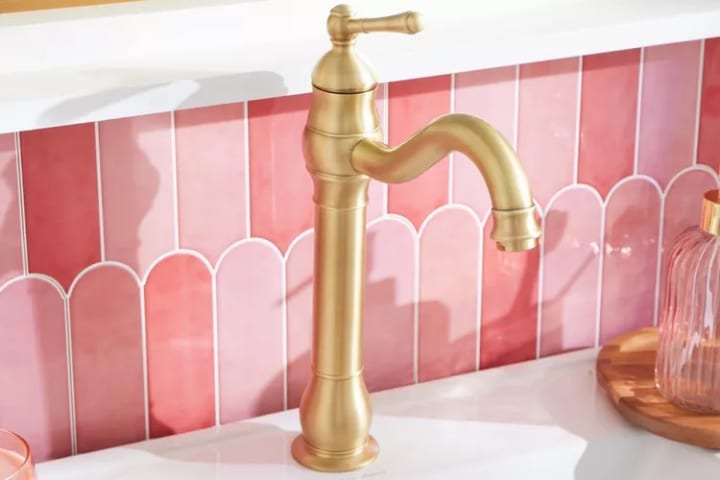
Consider vessel sink faucets with a single handle mounted on a spout. These faucets are designed for use with taller vessel sinks, and are typically taller themselves. To minimize splashing, ensure that the distance between the bottom of the sink bowl and the faucet spouts is at least 6 inches.
Wall-Mount Faucet
Wall-mounted faucets typically have a longer spout and either one or two handles attached to the wall instead of the sink or countertop. Due to their separate pieces, these faucets do not have a standard size. When installing a wall-mount faucet, it is necessary for the spout to extend far enough over the sink for proper water flow and drainage. Additionally, the sink must be deep enough to prevent splashing.
How to Measure for a Bathroom Sink Faucet
Avoid purchasing a new faucet that does not fit your current sink by accurately measuring beforehand. While you can estimate the measurement with your old faucet installed, it is recommended to remove the faucet and handles from the sink for the most precise measurement.
1. Follow these instructions to uninstall your old bathroom faucet and handles: turn off the water and use a wrench or screwdriver.
2.When installing a sink with three holes, it is important to accurately measure the distance from the center of the left handle hole to the center of the right handle hole. This measurement should fall within a range of 4 to 16 inches.
3.Measure the height of the faucet by determining the distance between the base and the highest point. Be sure to record both measurements - from the base to the faucet's highest point and from the base to the water outlet.
4.Measure the spout reach by determining the distance from the center of the faucet mount hole to the center of the sink's drain. This measurement will indicate how far the faucet extends over the base and into the sink.
Additional Considerations for Bathroom Faucets
Prior to purchasing a new bathroom faucet, it is essential to consider the following factors in order to make an informed decision.
Sink Type
When selecting a new faucet, consider the number of pre-drilled installation holes on your sink for the most seamless installation and aesthetic appeal. It's important to note that certain faucets are more compatible with specific sink types, such as single-hole faucets being best for smaller bathrooms. Take the time to review different options to find the perfect fit for your bathroom.
Connection Type
The connection of a sink refers to the method by which it is attached to water supply lines. This is a common occurrence.:
1. Threaded Connections: The most prevalent faucet connection method involves attaching the faucet to underlying pipes by twisting it onto a pipe with matching threads, similar to connecting a sprayer nozzle to a garden hose. The standard connection for most threaded connections is NPT (National Pipe Thread). size.
2. Hose Adapters: Hose adapters are commonly used in pull-down and pull-out kitchen faucets to connect rigid pipes and fittings to flexible hoses..
3. PEX Fittings: Install fixtures onto PEX tubing (also referred to as cross-linked polyethylene pipes) using crimp rings or clamps, eliminating the need for soldering.
Maintenance
Follow these guidelines to properly maintain your new faucet and preserve its appearance and function. When considering a purchase, carefully consider the design and finish of the faucet. Opt for spot-resistant, matte, or brushed options as they are more likely to maintain a clean and spot-free look. Keep in mind that decorative faucets with intricate designs may be more difficult to keep clean.
If the faucet is equipped with many internal components, there is a higher potential for parts to malfunction or become damaged.
About the Creator
seoprix
SEOPrix is provide excellent affordable services for all IT technology and Internet Marketing like that (SEO, SMO, PPC, Website Design & Development).
The Shadow in the Screen: Why Your Child’s Identity is the New Gold for AI Hackers
I remember the first time I saw it. A photo of my niece, the one I had taken at her fifth birthday party, appearing on a profile that didn’t belong to anyone in our family. The name was different. The location was halfway across the world. But the smile was unmistakably hers.
By Alex Sterling 7 days ago in Families
My First Time Skiing and I Got Lost, Alone, in the French Alps
Looking back, I can trace some of my life’s biggest adventures to a simple action from my sister. She’d introduced me to Tommy (a very long time ago), a colleague of hers, who had overshared his penchant for Italian-looking women, and I ticked that box.
By Chantal Christie Weiss3 days ago in Humans




Comments
There are no comments for this story
Be the first to respond and start the conversation.