
Backup Power For Real Life
Health, Work, And Comfort Covered In One Plan

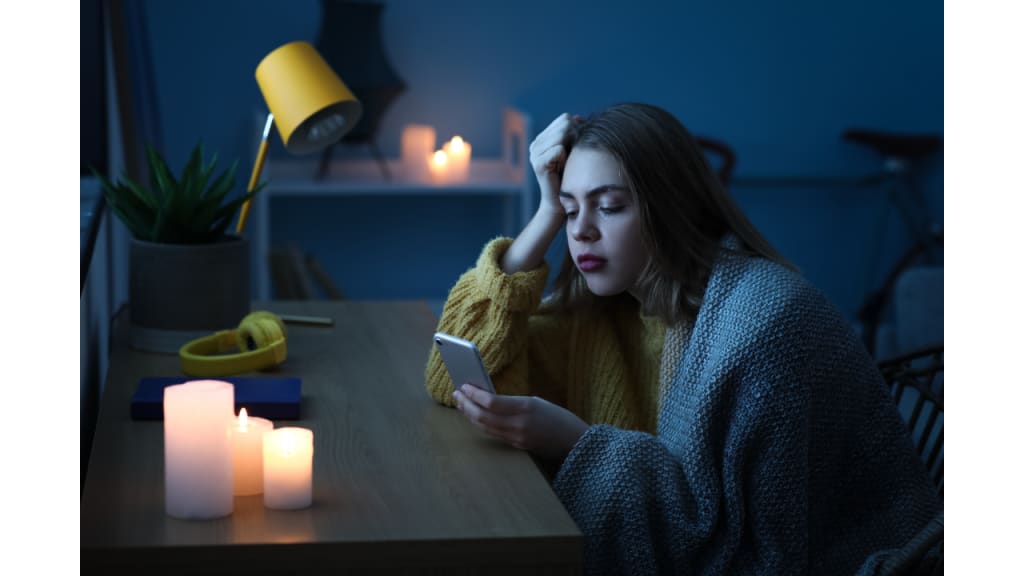
If your house runs on CPAP machines, refrigerated medications, school laptops, and work video calls, a power outage is more than an inconvenience. A steady backup plan can turn a chaotic evening into a calm one. The best part is you don’t have to power everything to protect what matters. With a right‑sized residential generator installation and a few smart add‑ons, your home can glide through storms and rolling outages without drama.
Build Your Essential‑Circuits List
Start with non‑negotiables. Most families prioritize medical devices, refrigerators and freezers, internet and chargers, a few lighting circuits, HVAC for safe temperatures, and garage or gate openers. Add any time‑sensitive items like a fish tank pump, a baby’s bottle warmer, or a basement sump pump after heavy rain. An essential‑loads subpanel moves only these circuits to generator power, keeping the system compact and efficient. It also makes outages simple to navigate; you won’t have to hunt for working outlets in the dark.
Account for starting surges. Appliances like fridges and air conditioners draw extra power on startup. Your installer should calculate both starting and running wattages and size the generator with headroom to handle common combinations without nuisance trips. This is standard practice for generator installation contractors in Charlotte, TX, and helps prevent frustration from the start.
Protect Health, Work, And Comfort
Keep connectivity stable. Place your modem, router, and any network switch on a small UPS to prevent a drop during the brief seconds between grid loss and generator start. If remote work or telehealth is critical, a line-interactive UPS for your computer helps smooth small voltage dips during extended periods. Ensure the outlet supplying your network gear is located on the backed-up panel.
Plan for medical needs. Confirm the actual wattage and startup draw for CPAP machines, oxygen concentrators, or other devices, and place those outlets on generator power. For refrigerated medications, consider a temperature sensor that sends alerts to your phone, so you always know your medications are safe. If your home’s main HVAC load is too large for the generator, a small ductless unit dedicated to bedrooms or a primary living area can maintain safe temperatures until power returns.
Choose the right fuel and siting. Natural gas provides convenience and effectively unlimited runtime if your meter and lines are sized correctly. Propane delivers independence; select a tank sized to cover the longest outage you want to prepare for and place it according to code with service access. Place the generator on a stable pad with clearances from windows and doors, and keep it away from bedrooms and neighbor patios. Modern quiet‑rated enclosures help, but smart placement is the most effective noise control.
Make It Quiet, Safe, And Easy To Own
Teach a simple family routine. Everyone should know how to recognize that the generator is running and where the manual shutoff is located, in case a first responder or technician instructs you to use it. Keep your installer’s number on the panel door and set calendar reminders for maintenance and filter changes.
Layer carbon monoxide safety. Even with perfect siting, keep CO detectors on every level and near sleeping areas. Test them monthly and replace every 5–7 years. CO safety is belt‑and‑suspenders, and it matters.
Service the engine on schedule. Annual maintenance—oil and filters, air intake, spark plugs (where applicable), battery health, and a quick enclosure clean—keeps the unit ready. App‑based monitoring can alert you if a self‑test fails, so there are no surprises on a stormy day.
When you plan this way, the day‑to‑day payoff is calm. The fridge stays cold, kids finish homework, work calls continue, and medical equipment stays powered. Temperatures remain safe, pets stay relaxed, and your routine barely shifts. If you’re ready to move forward, meet with residential generator installation pros who will map circuits, size fuel lines, and handle permits. Compare a few generator installation contractors in Charlotte, TX, and choose the team that promises a live load test at commissioning. That’s the difference between hoping it works and knowing it will.
About the Creator
Keep reading
More stories from The Weekend Project and writers in Families and other communities.
Hot Water Without Drama, Bedrooms Without Drafts
Family homes push systems hard: back‑to‑back showers, laundry that never ends, nursery naps at mid‑day, and grandparents who need steadier warmth. Add Missouri’s humidity and winter swings, and small issues turn into daily annoyances—lukewarm showers, temperature roulette at the tap, and bedrooms that never match the thermostat. The fixes don’t have to be complicated or expensive. Start with the parts of the house your family uses most and match solutions to real routines.
By The Weekend Project5 months ago in Families
The Last Letter From My Mother
Life moves very fast. Sometimes we are so busy chasing our dreams that we forget the people who love us the most. A few years ago, I was living in another city because of my job. My life was busy. Every day, I worked long hours, met new people, and tried to build a better future. I thought success and money were the most important things in life. I had little time for anything else, and I often ignored the small things that truly mattered.
By Muhammad Tanveer5 days ago in Families
Holiday Cooking Traditions: Classic Festive Recipes That Bring Families Together
The joy of celebrations often begins in the kitchen, where holiday cooking traditions turn simple meals into meaningful family moments. During festive seasons, many homes fill with the smell of roasted food, baked desserts, and warm spices. These smells create a feeling of comfort that people remember long after the holiday ends. Families gather around the kitchen table to prepare dishes that have been enjoyed for many years. Parents guide children through simple tasks, such as mixing ingredients or setting the table. Grandparents often share stories about how certain recipes became part of family celebrations. The process of cooking together builds stronger family bonds. Every dish prepared carries a memory of laughter, teamwork, and shared effort. Many people look forward to these cooking moments as much as the meal itself. Holiday cooking also reminds people to slow down and enjoy time with loved ones. Through these traditions, food becomes more than a meal, becoming a celebration of togetherness.
By Kevin Knaselabout 12 hours ago in Families




Comments
There are no comments for this story
Be the first to respond and start the conversation.