
Are Shower Curtains Recyclable?
Everything You Need to Know for Sustainable Home Décor

Introduction
Sustainability is no longer a niche topic but a way of life that's changing the way we design and maintain our homes. From the fabric we use for upholstery to how we dispose of household waste, the eco-conscious consumer wants to make sure the choices they make are not harming the environment. But when it comes to the bathroom-in particular, that rather innocent-looking thing hanging from that shower rod-things get a bit murky. Are shower curtains recyclable?
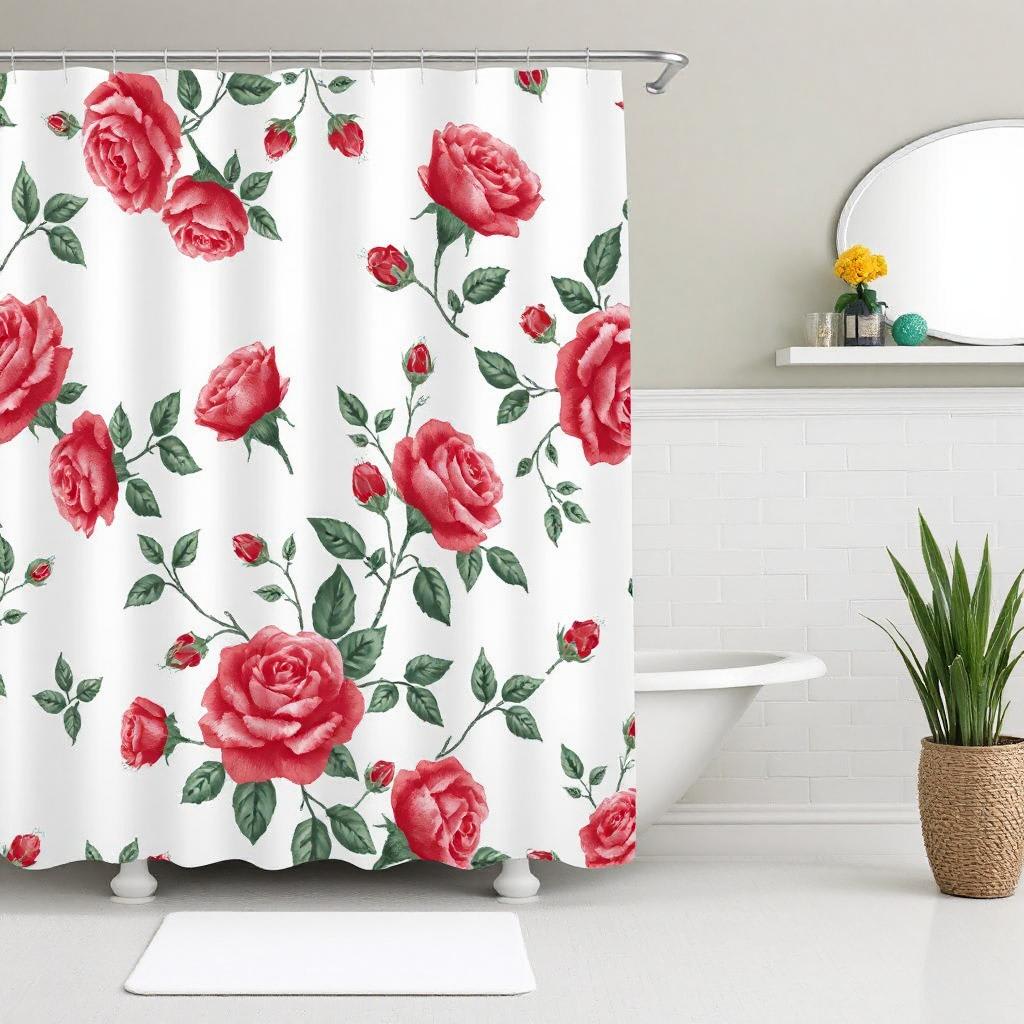
Imagine stepping into a space filled with the enchanting beauty of blooming roses
It's one of those questions that most of us never really ponder, but the answer speaks volumes for waste reduction in our homes. In this article, we shall look at whether shower curtains are recyclable, what you should know about various materials, and how to dispose of them responsibly.
Why Recyclability Matters in Home Décor
Before delving into some specific details about shower curtains, let's step away and consider a question that involves recyclability. The average household produces a shocking volume of waste per year, and much of that comes from things we use all the time but hardly think about, like shower curtains. Most would probably think that all plastics and textiles can be merely deposited into the recycling bin, but this is much more nuanced than one might think.
Since most home décor products involve shower curtains, they are primarily made from materials that are not recyclable or hard to recycle. This means millions of shower curtains find their way into landfills and account for the ever-increasing plastic problem in the environment. Know what materials are recyclable and how to dispose of them responsibly, you would make a difference to the environment.
What Materials Are Shower Curtains Made From?
Just before concluding whether it is possible to recycle your shower curtain or not, first understand its composition. Shower curtains come in a number of materials and each with different recycling challenges.
1. Vinyl or PVC Shower Curtains
One of the most prevalent materials for shower curtains is vinyl, which is also referred to as polyvinyl chloride or PVC; it is, however, among the least friendly to the environment. Vinyl is extremely good at containing the water in the shower and off your bathroom floor; it is, however, a form of plastic that has a number of resultant environmental concerns.
Recyclability
Unfortunately, PVC is difficult to recycle and is not accepted in most curbside recycling programs. In addition, there are several toxic chemicals produced during both the manufacturing process of PVC and its disposal, making it one of the less sustainable shower curtain choices.
Actionable Tip:
As long as you have one made from vinyl nearing the end of its life, repurpose instead of adding it to the landfill. Vinyl is durable and waterproof; hence, you can use it as a drop cloth for painting projects or as a protective cover for outdoor furniture.
2. Polyester Shower Curtains
The other common material for shower curtains is polyester, which is considerably cheaper and waterproof. Like PVC, however, it is a synthetic material made from petroleum and thus has a big environmental impact.
Recyclability:
While polyester is technically recyclable, not all facilities are equipped to handle the process. Some special programs of recycling may also accept polyester textiles, but check with your local center before you toss it in the bin.
Actionable Tip:
This is especially true since, in many places, you can't find a local recycler that accepts polyester. Consider donating your old shower curtain to a secondhand store or a charity. Polyester curtains also can be used for craft projects and for outdoor tarps.
3. Cotton and Hemp Shower Curtains
Natural materials such as cotton and hemp represent new showers that are emerging for the eco-sensitive home owner who wants to avoid synthetic materials. This kind of shower curtain is biodegradable, being generally much more sustainable to produce.
Recyclability
While cotton and hemp are biodegradable, they don't often get along with the conventional meaning of recyclable, which applies to materials like plastic or metal. Composting is an extremely active means of breaking them down, provided they are free from synthetic dyes or coatings. It lets them break down naturally with time.
Actionable Tip:
Instead, cut up the old one if it is made of cotton or hemp and use for cleaning rags or throw it in the compost heap with other organic waste. Either way, you are re-purposing the material and keeping it out of landfills.
4. EVA and PEVA Shower Curtains
EVA and PEVA are some newer replacements to PVC because they have been marketed to be much greener. They lack many of the toxic chemicals in PVC and are therefore much less threatening to you and the environment.
Recyclability:
While EVA and PEVA are considered more friendly to the environment, they are still plastics and, as such, pose some challenges with recycling. Few curbside programs accept them, but specialty recycling centers may be able to. It might be worth checking with your local facility to see if they have a program available for recycling either of those materials.
Actionable Tip:
As with vinyl, repurposing is also a good option for EVA and PEVA shower curtains. Line them in pet cages, use them as drop cloths for painting, or even make impromptu picnic mats.
Creative Ways to Repurpose Old Shower Curtains
If the recycling options are a bit limited in your area, then you shouldn't despair just yet. Here are several creative ways you can repurpose old shower curtains, reducing your environmental footprint while breathing life into this material.
Picnic Blanket: Line your picnic blanket with an old shower curtain for the waterproof layer that will keep moisture off when one goes for an outdoor activity.
Garden Cover: Shower curtains are great covers against frost for the more sensitive plants or grounds during frosty weather.
Car Seat Cover: Keep your car seats from dirt, mud, or pet hair by laying a waterproof shower curtain over them.
Craft Projects: If you are into DIY projects, take this old shower curtain for base material for other crafting projects, such as tote bags or aprons.
Tips to Buy Eco-Friendly Shower Curtains
If you will be buying a shower curtain and want one that is more environmentally friendly, here are a few tips that you may want to consider:
Opt for Natural Materials: Choose such materials that are biodegradable and thus friendly to the environment, like cotton, hemp, or bamboo.
Watch out for Recyclable Plastics: If you still like synthetic materials, look for shower curtains made from recyclable plastics like PEVA or EVA, which are less injurious than PVC.
Avoid Toxic Coatings: Most shower curtains are chemically treated to make them more water-resistant. Options devoid of toxic coatings and phthalates are preferable.
Invest in Longevity: Even though the initial price of a higher-quality curtain is indeed higher, it tends to last longer and reduces the frequency of replacements. This in turn reduces the amount of waste produced.
Conclusion: Even a Small Change Counts
While they might be a relatively small part of your house, the choices you make regarding shower curtains are pretty grand in terms of sustaining your home. Whether you are repurposing an old curtain, recycling it through a specialty program, or investing in a biodegradable option, your choices count.
Next time one thinks of replacing a shower curtain, remember that not all materials are created the same. Consider how well they can be recycled, taking their overall environmental impact into consideration, and you will be well on your way to making your home more environmentally friendly.
Imagine stepping into a space filled with the enchanting beauty of blooming roses
Frequently Asked Questions
Q: Is it possible to recycle a vinyl shower curtain?
A: Vinyl, or PVC, is not commonly accepted by most curbside recycling programs due to its highly complex chemical nature. Make sure to try and repurpose it, or contact specialty recycling centers that will be able to take it.
Q: Are cotton shower curtains eco-friendly?
A: Yes, cotton shower curtains are biodegradable and generally more eco-friendly than synthetic materials. Just make sure they don't have synthetic coatings.
Q: How do I dispose of polyester shower curtains?
Q: Even though polyester is technically recyclable, not all recycling programs take it. You may call your local facility or get ready to donate or repurpose it.
Q: Is the PEVA shower curtain any better compared to the PVC?
A: Yes, PEVA is a safer and more eco-friendly alternative than PVC, though it, too, is a kind of plastic. It is less harmful but problematic to recycle in some areas.
This article contains affiliate links, if you make a purchase I may make a small commission.
About the Creator
Karl Jackson
My name is Karl Jackson and I am a marketing professional. In my free time, I enjoy spending time doing something creative and fulfilling. I particularly enjoy painting and find it to be a great way to de-stress and express myself.
Keep reading
More stories from Karl Jackson and writers in Families and other communities.
Which Sofas Last the Longest?
Introduction But when buying a sofa, it's not just all about the comfort and style—its longevity matters. A sofa is an investment, and no one wants to replace a sagging, broken-down couch after a few short years. So, what kind of sofas last the longest? This guide will break down key factors that contribute to a sofa's durability to make an informed choice that will keep your living room looking and feeling stylish for many years to come.
By Karl Jacksonabout a year ago in Families
Punch the Macaque: The Baby Monkey Who Found Comfort in a Plush Friend
Today we look back at one of the most unexpected viral stories of 2025—a tale that began quietly in a zoo in Japan and grew into a global symbol of resilience and tenderness. It is the story of Punch, a Japanese macaque born in July 2025 at Ichikawa City Zoo in Chiba Prefecture. His life began with hardship, but what followed has touched millions across the world.
By Haroon Pasha7 days ago in Families




Comments
There are no comments for this story
Be the first to respond and start the conversation.