
Are Generational Differences Destroying Families?
One person's story of generational estrangement

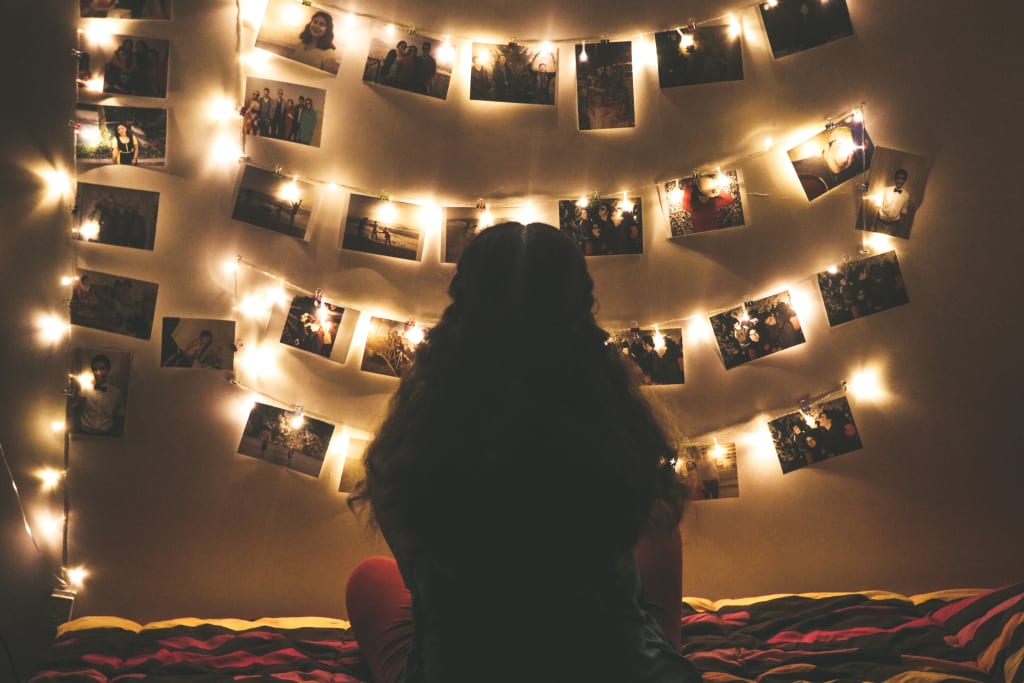
There is a pattern I have been seeing among my peers (elder millennials) regarding our adult relationships with our parents. I see many comments that describe similar experiences to mine on social media. The common theme is that of having good memories of parents who were wonderful during our early years but who are unable to accept us as we are now. This is my story.
When I was a young child, I had the best daddy in the world. He showed up to all of my events, recitals, everything; he was present despite a divorce that gave him the short end of the stick with custody. He played with me. He snuggled with me. He told me he loved me. He apologized when he lost his temper and yelled. That began to change when I was a teenager. There was a distinct lack of trust from him toward me. He searched my room for notes and read them as well as reading my diaries. I didn't feel I had any privacy. He judged the people I hung out with and I was only allowed to spend time with people he approved of. Overall, he continued to be present and loving, though we butted heads a lot. I was the first child so he was learning all of this as he went-without the access to so much research on brain development and other things that I have access to as a parent of a teen in the 2020s. He absolutely did his best and I think his best was really good. He taught me many great lessons that live in my decision making and moral code today. He taught me to stick up for other people, to do the right thing, and to make sure the right thing is being done. He taught me that you should talk to someone you are seriously dating about important things like what kind of lifestyle you want, how you want to raise your kids, and more. Thanks to that advice I realized at 20 that a serious relationship I was in was not right for me and found the man I am married to today to build a family with.
Unfortunately, he did not approve of my now-husband when we started dating and he does not approve of my passion for social justice. This has led to a painful and difficult relationship with him. He is very close to my four siblings who have the same political leanings and priorities as he does. He has prioritized time with them over time with me and my children many times. He has chosen to be there for them when they want to do something with him instead of helping me in an emergency. He has failed to stand up for me to his friends when they were being unkind and hurtful about my parenting choices while trying to "protect" distant relatives and acquaintances from my opinions; texting me to tell me to stop "arguing" with people because he didn't like what I was saying to them on facebook. He and my stepmom, who was an amazing mother to me and who loved me as her own from the start, have failed to be there with their time while offering to help financially when we were in tight spots over the past decade and a half. I have struggled with my opposing feelings of gratitude for what they have done for me and frustration at not having the relationship I wish we had. I know that I am who I am and where I am in life because of them. The way they parented me early on and the way they helped out financially when I was in poverty gave me a leg up and made the home and family I have now possible. I also would rather they give their time to my kids and I. Money, to me, feels like obligation while time feels like love.
The difference in the relationships between my parents and their other kids compared to their relationship with me became more and more glaring to me after my husband and I moved two hours from our hometown. The COVID pandemic further strained our relationship. I realized that if I wasn’t speaking up about how I felt about our relationship, it would never get better. I began to tell him when he hurt me. He gaslit me. He told me it was my fault. We had one productive conversation which I thought would be a turning point for us, in which he said he wanted to hear from me about these things. Yet the next three times it occurred, two of which involved my children going through big things and needing support, he chose to gaslight me and blame me, and my child in one instance, for the things he had done or said, or things he failed to do, that caused us pain. I know my family of origin loves me, but the way they treat me has left me feeling that they do not like me.
To my dad, he has met all of his obligations and duties to me therefore I should feel loved. To me, the distance between us is painful and leaves me feeling unloved. He is unable to see me expressing my pain and needs as anything other than me telling him he was a terrible father and did everything wrong despite me being very vocal about everything he has done right all along. I am unwilling to continue spending time and energy on relationships with people who would not want me around if it weren't for the obligation of genetics. It is too painful to watch my dad interact with my siblings who he likes and wants to be around while feeling like nothing more than an obligation.
It seems people of my parents’ generation tend to view family with a focus on duty and obligation while people of my generation tend to view family with a focus on acceptance and belonging. Many of my peers and I long to be accepted as we are. This, to us, is what love means. We crave a feeling of belonging with our family members. For me, and for many I’ve talked to, we don’t want to be an obligation. We don’t want to be someone our parents are required to care for. We want to be treasured, cherished, wanted members of our families. Many in my generation are choosing to go no contact with parents who are unable to learn to love us as we need to be loved. I believe strongly the difference in what love and family means to my dad and what it means to me is why he is confused by the feelings I have expressed to him and why he refuses to accept that I don’t feel liked or unconditionally loved by him. He says that is the one thing he knows he did right, showing us how loved we are. Therefore, to him, I am wrong to have these feelings. I feel that he stopped showing me unconditional love when my political ideas and my goals in life began to be different than what he wanted for me and what his life is like. I believe that he took these differences as me rejecting him.
I am left pondering whether there is a way through these generational and political differences as well as the way I went from feeling cherished and loved to feeling like an outcast in my own family as I developed my own political opinions. I know that there isn’t healing for us right now because my they have refused to learn to communicate without blaming me and because they view what I am asking as too much to ask out of others. All I can do is work on accepting this estrangement and continue parenting my own kids by loving them as they are, not as I might wish they would be.
About the Creator
Megan Rabideau
Mom of 4
Mom of queer kids
Plant and animal lover
Crafter
Birth educator
Lgbtq ally
Homeschooler
Keep reading
More stories from Megan Rabideau and writers in Families and other communities.
Straight People Make Gay and Trans Kids
In early 2010 I had a 2 year old and was pregnant with another baby. I loved going to the library for a free and fun activity with her. One trip stands out to me in particular. My little girl with her long blonde pigtails bounced over to me with a cute book about two penguins and their baby. She excitedly asked to check it out so we added it to our growing pile of books. It was called And Tango Makes Three. We were reading a lot of books about new babies in preparation for the big transition of adding one to our own home.
By Megan Rabideau5 years ago in Families
Wise~Guys
— Look Behind what's in Front of You ~ Make Good Choices — Hey, So how you Doin'..! Made~Men — Mobster Movies romanticise a distinctive, elegant appearance, impeccable attire style, along with the 'Families' expressive lingo. Making their 'Bones' gave them Panache — with vintage fedoras, tailored pin-striped suits, mirror-polished wing-tip shoes adorned with tassels; with their 'Gun Moll' gorgeous dates on their arms.
By Jay Kantor24 days ago in Families


Comments
There are no comments for this story
Be the first to respond and start the conversation.