
A Natural Remedy: How Pigeon Peas Help Ease Bone Pain in Sickle Cell Patients
Discover How This Nutrient-Packed Legume Offers Relief and Health Benefits for Sickle Cell Warriors

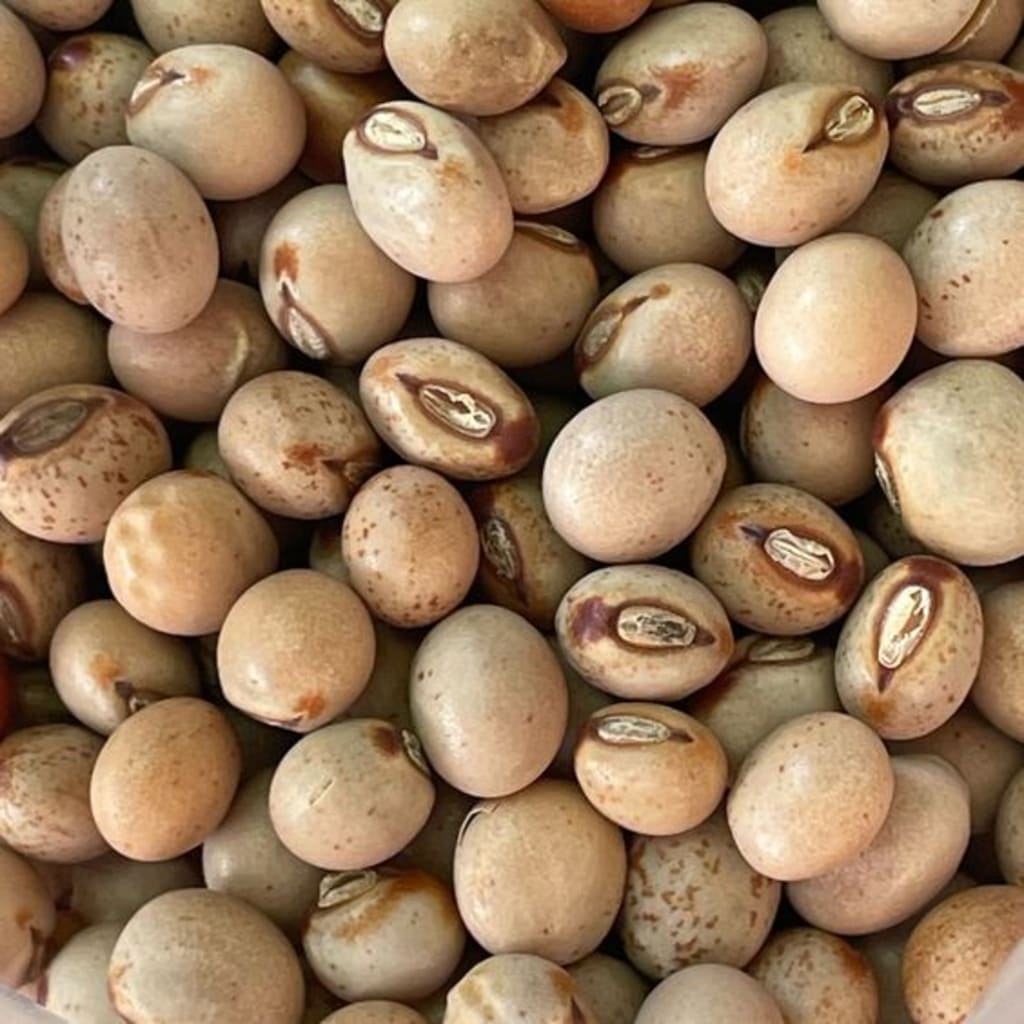
Sickle cell disease (SCD) is a genetic disorder that affects millions of people worldwide, particularly in African, Mediterranean, and South Asian populations. One of the most debilitating symptoms experienced by those with SCD is bone pain, which occurs due to reduced blood flow to the bones, leading to inflammation and damage. While traditional treatments like pain medications and blood transfusions are common, there is growing interest in natural remedies to help manage these symptoms. Among these, pigeon peas have emerged as a promising option for reducing the frequency of bone pain in sickle cell patients.
What Are Pigeon Peas?
Pigeon peas, scientifically known as *Cajanus cajan*, are a type of legume that has been a staple in diets across many cultures, particularly in India, Africa, and the Caribbean. They are rich in proteins, fiber, vitamins, and minerals, making them a nutritious addition to meals. But beyond their nutritional value, pigeon peas are gaining attention for their medicinal properties, particularly in the context of sickle cell disease.
The Role of Inflammation in Sickle Cell Bone Pain
To understand how pigeon peas can help ease bone pain in sickle cell patients, it's essential to first explore the role of inflammation in SCD. The hallmark of sickle cell disease is the abnormal shape of red blood cells, which become rigid and form a sickle shape. These misshapen cells can obstruct blood flow, particularly in smaller blood vessels, leading to tissue damage, inflammation, and episodes of intense pain known as vaso-occlusive crises (VOCs). This impaired circulation often results in reduced oxygen supply to the bones, causing the characteristic bone pain that many sickle cell patients experience.
Inflammation plays a significant role in this process, as it exacerbates the blockage in blood vessels and contributes to the damage caused by restricted blood flow. Reducing inflammation, therefore, becomes a key strategy in managing pain for SCD patients. This is where pigeon peas come into play.
Anti-Inflammatory Properties of Pigeon Peas
Pigeon peas have been shown to possess strong anti-inflammatory properties, which may help alleviate the inflammation associated with sickle cell disease. Several bioactive compounds found in pigeon peas, such as flavonoids, tannins, and phenolic acids, are known to reduce inflammation in the body. By lowering the levels of inflammatory markers, pigeon peas can help improve blood flow and reduce the frequency of vaso-occlusive crises, ultimately leading to less bone pain.
In addition to their anti-inflammatory effects, pigeon peas are also packed with antioxidants. Antioxidants help neutralize free radicals in the body, which are harmful molecules that contribute to oxidative stress. Oxidative stress is a major factor in the progression of sickle cell disease, leading to further damage to blood vessels and bone tissue. By consuming pigeon peas, sickle cell patients can potentially lower oxidative stress, which may reduce the severity and frequency of pain episodes.
Nutritional Benefits for Bone Health
Pigeon peas are an excellent source of important nutrients that contribute to overall bone health. They are rich in calcium, magnesium, and phosphorus, all of which are essential minerals for maintaining strong bones. Sickle cell patients often suffer from weakened bones due to the chronic inflammation and reduced oxygen supply that the disease causes. Including pigeon peas in their diet can provide these crucial nutrients, helping to strengthen bones and mitigate some of the damage caused by the disease.
Furthermore, pigeon peas are high in protein, which is vital for repairing damaged tissues. For sickle cell patients, tissue repair is essential in recovering from the inflammation and damage caused by VOCs. The protein content in pigeon peas can support the body's healing processes, promoting overall health and reducing pain.
Potential Immune System Boost
Another important benefit of pigeon peas is their ability to support the immune system. Sickle cell patients often have compromised immune function, making them more susceptible to infections and complications. Pigeon peas contain vitamins like vitamin C and other immune-boosting compounds that can help strengthen the body’s defense mechanisms. A healthier immune system means fewer infections, which can indirectly help reduce pain episodes, as infections are known to trigger vaso-occlusive crises in many sickle cell patients.
Incorporating Pigeon Peas Into the Diet
Incorporating pigeon peas into a sickle cell patient’s diet is relatively simple, given their versatility. They can be cooked in stews, soups, or even as a side dish. Pigeon peas have a mild, nutty flavor that pairs well with various spices and ingredients, making them easy to include in a variety of meals.
It’s important to note that while pigeon peas offer many benefits, they should not replace traditional treatments for sickle cell disease. Patients should always consult their healthcare provider before making any significant changes to their diet or treatment plan. However, adding pigeon peas to the diet can be a natural, complementary approach to help manage bone pain and improve overall well-being.
Conclusion
For individuals living with sickle cell disease, managing bone pain is a daily struggle. While conventional treatments are necessary, natural remedies like pigeon peas provide an additional layer of support. With their anti-inflammatory properties, nutritional benefits, and potential immune-boosting effects, pigeon peas offer a promising natural remedy to help ease bone pain and improve the quality of life for sickle cell patients.
About the Creator
Keep reading
More stories from Aishat Oyinkansola and writers in Families and other communities.
Wise~Guys
— Look Behind what's in Front of You ~ Make Good Choices — Hey, So how you Doin'..! Made~Men — Mobster Movies romanticise a distinctive, elegant appearance, impeccable attire style, along with the 'Families' expressive lingo. Making their 'Bones' gave them Panache — with vintage fedoras, tailored pin-striped suits, mirror-polished wing-tip shoes adorned with tassels; with their 'Gun Moll' gorgeous dates on their arms.
By Jay Kantor18 days ago in Families
Wild Card Weekend Recap: What Happens Now?
I think I figured out why I love Wild Card Weekend so much. It's because it's the first playoff anything of the calendar year. The NFL season starts in the fall, and once upon a time, the champion was crowned either on or slightly before New Year's. The evolution of the NFL schedule has resulted in the playoffs starting just into the New Year, and currently, the final week of the season falls on the first weekend of the New Year, with Wild Card Weekend coming a week after that. So yes, chronologically, the NFL's Wild Card Weekend serves as the first playoff anything of the calendar year.
By Clyde E. Dawkins6 days ago in Unbalanced




Comments
There are no comments for this story
Be the first to respond and start the conversation.