
A Keto Diet Meal Plan and Menu for a Lower Carb Lifestyle
Ketogenic diet meal plan
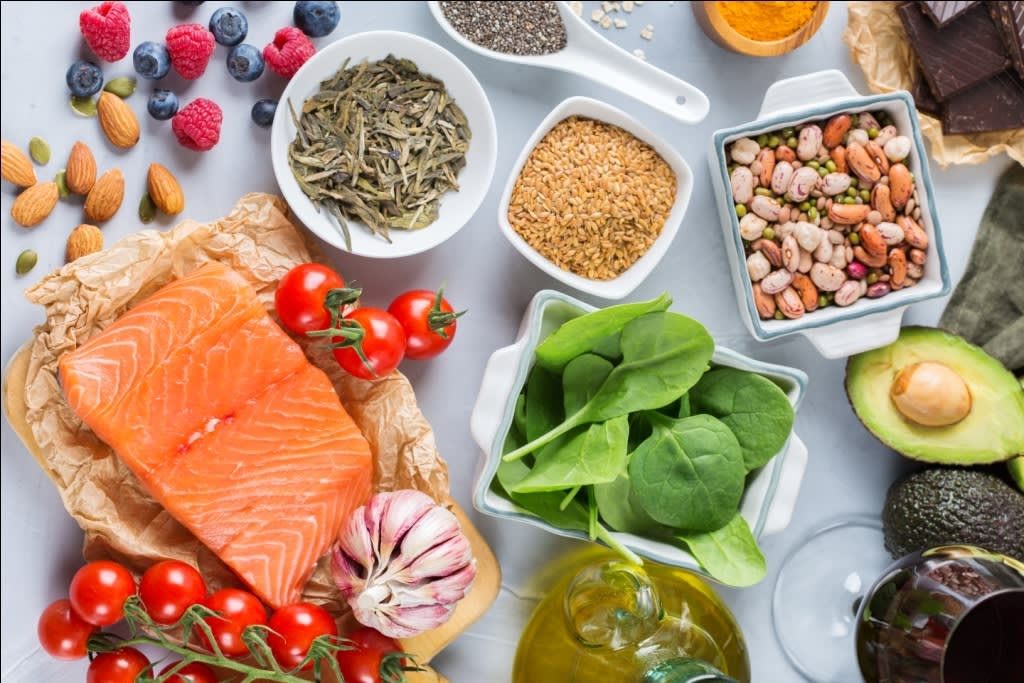
Switching to a ketogenic diet may seem overwhelming, but it doesn’t have to be difficult. Your focus should be on reducing carbs while increasing the fat and protein content of meals and snacks. Some online tools and calculators can be helpful.
In order to reach and remain in a state of ketosis, carbs must be restricted. While certain people might only achieve ketosis by eating 20 grams of carbs per day, others may be successful with a higher carb intake.
Generally, the lower your carbohydrate intake, the easier it is to reach and stay in ketosis.
This is why sticking to keto-friendly foods and avoiding items rich in carbs is the best way to successfully lose weight on a ketogenic diet.
Keto-friendly foods
When following a ketogenic diet, meals and snacks should center around the following foods:
• Eggs: pastured, organic, or conventional all work fine
• Poultry: chicken and turkey
• Fatty fish: salmon, herring, and mackerel
• Meat: beef, venison, pork, organ meats, and bison
• Full-fat dairy: unsweetened yogurt, butter, and cream
• Full-fat cheese: cheddar, mozzarella, brie, goat cheese, and cream cheese
• Nuts and seeds: macadamia nuts, almonds, walnuts, pumpkin seeds, peanuts, and flaxseeds
• Nut butter: no-sugar-added peanut, almond, and cashew butters
• Oils rich in healthy fats: olive oil, avocado oil, and sesame oil
• Avocados: whole avocados can be added to almost any meal or snack
• Non-starchy vegetables: greens, broccoli, tomatoes, mushrooms, and peppers
• Condiments: salt, pepper, vinegar, lemon juice, fresh herbs, and spices
Foods to limit
When possible, it’s best to avoid or limit foods rich in carbs while following a keto diet.
The following foods should be limited:
• Bread and baked goods: white bread, whole wheat bread, crackers, cookies, doughnuts, and rolls
• Sweets and sugary foods: sugar, ice cream, candy, maple syrup, honey, agave syrup, and coconut sugar
• Sweetened beverages: soda, juice, sweetened teas, and sports drinks
• Pasta: spaghetti and other noodles
• Grains and grain products: wheat, rice, oats, breakfast cereals, and tortillas
• Starchy vegetables: potatoes, sweet potatoes, butternut squash, corn, peas, and pumpkin
• Beans and legumes: black beans, chickpeas, lentils, and kidney beans
• Fruit: citrus, grapes, bananas, and pineapple
• High carb sauces: barbecue sauce, ketchup, honey mustard, sugary salad dressings, and dipping sauces
• Certain alcoholic beverages: beer and sugary mixed drinks
Though carbs should be restricted, you can enjoy low glycemic fruits, such as berries, in limited amounts as long as you’re maintaining a keto-friendly range of macronutrients (carbs, protein, fat).
Be sure to choose plenty of whole foods and steer clear of processed foods and trans fats when possible.
Keto-friendly beverages
Sugar can be found in a wide variety of beverages including juice, soda, iced tea, and coffee drinks. While on a ketogenic diet, you should limit or avoid high carb drinks, just like high carb foods.
It’s no small matter that sugary beverages have also been linked to various health concerns — from obesity to an increased risk of type 2 diabetes (10Trusted Source, 11Trusted Source).
There are many tasty sugar-free options for those on the keto diet. Keto-friendly beverage choices include:
• Water. Water is the best choice for hydration and should be consumed throughout the day.
• Sparkling water. Sparkling water can make an excellent soda replacement.
• Unsweetened coffee. Try using heavy cream to add flavor to your cup of coffee.
• Unsweetened green tea. Green tea is delicious and may provide many health benefits.
If you want to add some extra flavor to your water, try experimenting with different keto-friendly flavor combinations. For example, tossing some fresh mint and a lemon peel into your water bottle can make hydration a breeze.
Though alcohol should be restricted, enjoying an occasional low carb drink like vodka or tequila mixed with soda water is acceptable on the keto diet.
A sample keto menu for 1 week
The following menu provides fewer than 50 grams of total carbs per day. As mentioned above, some people may have to reduce carbohydrates even further in order to reach ketosis.
This is a general, 1-week ketogenic menu that can be altered depending on individual dietary needs.
Monday
• Breakfast: two eggs fried in butter served with sauteed greens
• Lunch: a bunless burger topped with cheese, mushrooms, and avocado atop a bed of greens
• Dinner: pork chops with green beans sauteed in olive oil
Tuesday
• Breakfast: mushroom omelet
• Lunch: tuna salad with celery and tomato atop a bed of greens
• Dinner: roast chicken with cream sauce and sauteed broccoli
Wednesday
• Breakfast: bell pepper stuffed with cheese and eggs
• Lunch: arugula salad with hard-boiled eggs, turkey, avocado, and blue cheese
• Dinner: grilled salmon with spinach sauteed in sesame oil
Thursday
• Breakfast: full-fat yogurt topped with Keto granola
• Lunch: steak bowl with cauliflower rice, cheese, herbs, avocado, and salsa
• Dinner: bison steak with cheesy broccoli
Friday
• Breakfast: baked avocado egg boats
• Lunch: Caesar salad with chicken
• Dinner: pork chops with vegetables
Saturday
• Breakfast: cauliflower toast topped with cheese and avocado
• Lunch: bunless salmon burgers topped with pesto
• Dinner: meatballs served with zucchini noodles and Parmesan cheese
Sunday
• Breakfast: coconut milk chia pudding topped with coconut and walnuts
• Lunch: Cobb salad made with greens, hard-boiled eggs, avocado, cheese, and turkey
• Dinner: coconut chicken curry
As you can see, ketogenic meals can be diverse and flavorful.
Although many ketogenic meals are based around animal products, there is a wide variety of vegetarian options to choose from as well.
If you’re following a more liberal ketogenic diet, adding a cup of berries to your breakfast or a small serving of a starchy vegetable to your dinner will increase the number of carbs in this meal plan.
Ketogenic snack options
Snacking between meals can help moderate hunger and keep you on track while following a ketogenic diet.
Here are some excellent, keto-friendly snack options:
• almonds and cheddar cheese
• half an avocado stuffed with chicken salad
• guacamole with low carb veggies
• trail mix made with unsweetened coconut, nuts, and seeds
• hard-boiled eggs
• coconut chips
• kale chips
• olives and sliced salami
• celery and peppers with herbed cream cheese dip
• berries with heavy whipping cream
• jerky
• cheese roll-ups
• Parmesan crisps
• macadamia nuts
• greens with high fat dressing and avocado
• keto smoothie made with coconut milk, cocoa, and avocado
• avocado cocoa mousse
No matter which diet you are following, it’s important to eat the appropriate number of calories based on your activity level, weight loss goal, age, and gender. Working with a nutritionist can help you make sure you get the proper amount of nutrients and calories for your personal goals or health history.
A simple ketogenic shopping list
A well-rounded ketogenic diet should include lots of fresh produce, healthy fats, and proteins.
Choosing a mixture of both fresh and frozen produce will ensure that you have a supply of keto-friendly vegetables and fruits to add to recipes.
The following is a simple ketogenic shopping list that can guide you when perusing the grocery aisles:
• Meat and poultry: beef, chicken, turkey, and pork
• Fish: fatty fish like salmon, sardines, mackerel, canned tuna, and herring
• Shellfish: oysters, shrimp, and scallops
• Eggs: organic or conventional
• Full fat dairy: unsweetened yogurt, butter, heavy cream, and sour cream
• Oils: olive, sesame, and avocado oils
• Avocados: a mixture of ripe and unripe avocados (so that your supply will last)
• Cheese: Brie, cream cheese, cheddar, and goat cheese
• Frozen or fresh berries: blueberries, raspberries, and blackberries
• Nuts: macadamia nuts, almonds, pecans, and pistachios
• Seeds: pumpkin seeds, sunflower seeds, and chia seeds
• Nut butters: almond butter, sunflower butter, and peanut butter
• Fresh or frozen low carb vegetables: mushrooms, cauliflower, broccoli, greens, peppers, onions, and tomatoes
• Condiments: sea salt, pepper, salsa, herbs, garlic, vinegar, mustard, olives, and spices
It’s always worthwhile to plan your meals ahead of time and fill your cart with the ingredients needed for a few days’ worth of healthy dishes.
Plus, sticking to a shopping list can help you avoid foods that don’t fit within your nutrition plan.
About the Creator
Keep reading
More stories from Rajendran Arumugam and writers in Families and other communities.
Article about Why Pregnancy is Special in Women’s Life:
Article about Why Pregnancy is Special in Women’s Life: Pregnancy is much of the time viewed as quite possibly of the most extraordinary and unique stage in a lady's life. It denotes a significant physical, profound, and otherworldly excursion that carries new life into the world as well as reshapes a lady's character and feeling of direction. The meaning of pregnancy rises above the simple natural demonstration of conveying a kid; it embodies a bunch of encounters that touch upon the actual substance of womanliness, sustaining, and self-improvement.
By Rajendran Arumugamabout a year ago in Families
Wise~Guys
— Look Behind what's in Front of You ~ Make Good Choices — Hey, So how you Doin'..! Made~Men — Mobster Movies romanticise a distinctive, elegant appearance, impeccable attire style, along with the 'Families' expressive lingo. Making their 'Bones' gave them Panache — with vintage fedoras, tailored pin-striped suits, mirror-polished wing-tip shoes adorned with tassels; with their 'Gun Moll' gorgeous dates on their arms.
By Jay Kantor19 days ago in Families
Men who eat nuts tend to have better quality sperm
Peak Potency: How a Daily Nut Habit Elevates Male Sperm Quality Male fertility rates have dropped in recent years. Many couples struggle to conceive, and men often overlook their role in this challenge. Your diet can make a big difference here. Nuts stand out as a simple fix. They pack antioxidants and healthy fats that support better sperm quality. Think of them as fuel for your reproductive system. Studies show men who eat nuts regularly see real gains in sperm health. If you're planning a family or just want peak vitality, adding nuts could be your smart move.
By Story silver book 3 days ago in Families



Comments
There are no comments for this story
Be the first to respond and start the conversation.