
A Journey to Khyber Pakhtunkhwa
"Exploring Nature, Culture, and Adventure in Northern Pakistan"

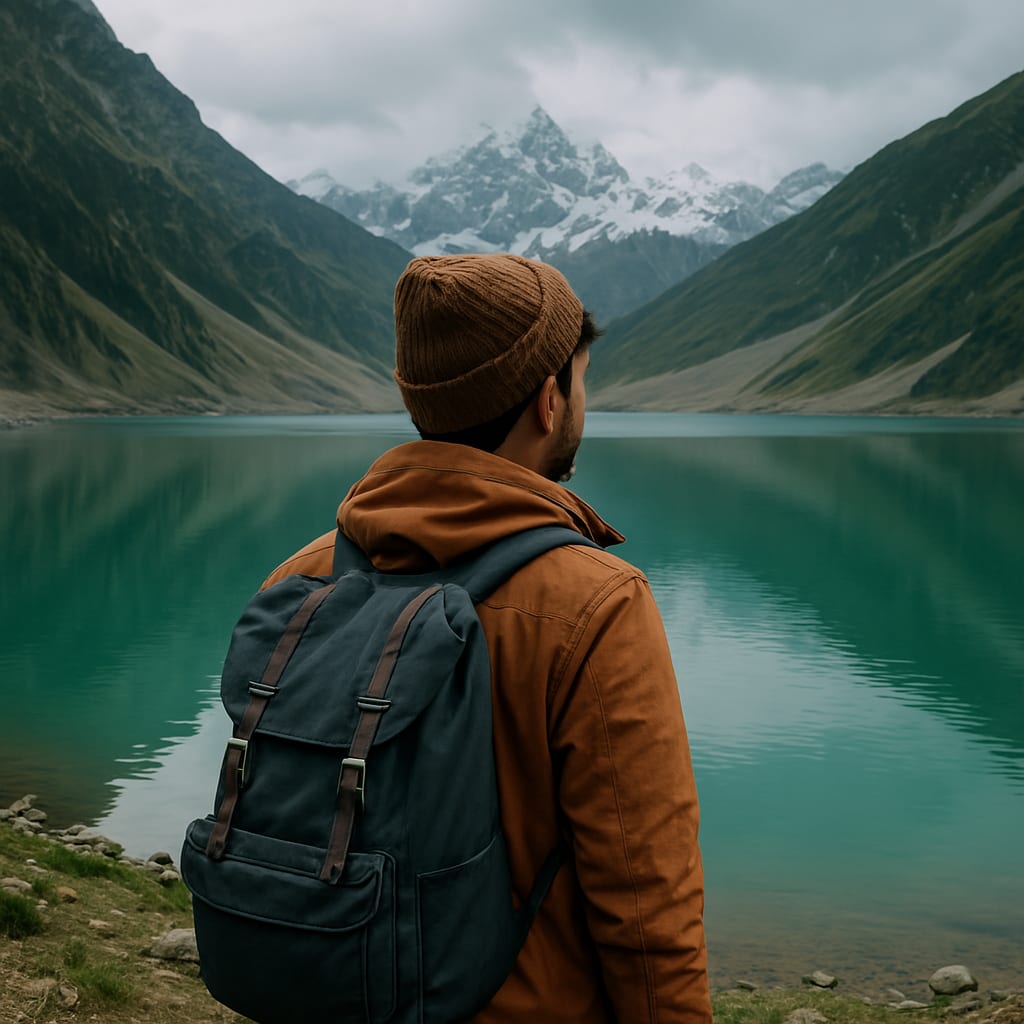
The sun had just begun to rise when I zipped up my backpack, laced my boots, and stepped out of the house. The day had finally arrived — the long-awaited journey to Khyber Pakhtunkhwa, or KPK, the crown jewel of northern Pakistan. For years I had heard stories about the breathtaking valleys, snow-capped mountains, hospitable people, and the rich history of this region. Now it was time to experience it for myself.
I boarded the bus from Islamabad, and the landscape started to change almost immediately as we moved out of the city’s boundaries. Rolling hills, rivers, and clusters of pine trees began to replace the concrete buildings. My first destination was Swat Valley, often referred to as the "Switzerland of the East."
After a long, winding journey, we finally reached Mingora, the main town in Swat. The cool mountain air wrapped around me like an old friend, refreshing after the dusty plains. I found a small guesthouse run by a kind-hearted local family. Their wooden house, decorated with traditional Swati patterns, overlooked the Swat River, its turquoise waters flowing with a hypnotic calm.
The next morning, I ventured to Malam Jabba, a hill station known for its ski resort. Though it was summer, the altitude still offered a cool breeze and expansive views of jagged mountain peaks. Hiking through the green meadows filled with wildflowers, I met some local shepherds, their faces weathered by sun and time but glowing with sincere smiles. They offered me a glass of fresh goat milk, and though the taste was unfamiliar, the gesture spoke louder than words. Hospitality, I realized, is woven into the fabric of KPK’s culture.
From Swat, I set my sights on Kalam Valley, a place that had lived in my imagination for years. The journey was tough — narrow, twisting roads hugging the side of the mountains — but every turn revealed a new spectacle: roaring waterfalls, ancient forests, and stone cottages nestled between emerald hills.
At Kalam, I hired a jeep to take me further into the wild, to a hidden gem known as Mahodand Lake. The drive was thrilling and, at times, nerve-wracking, with unpaved paths and river crossings. But when the lake finally came into view, all the weariness vanished. It was a mirror of sky and stone, so still and clear it felt almost sacred. I sat by the shore for hours, my thoughts wandering as the sun dipped behind the peaks, painting the sky in hues of orange and purple.
The following day, I continued deeper into KPK, heading toward the historic city of Peshawar. Here, the journey took on a new tone, one less about landscapes and more about people and history. Walking through Qissa Khwani Bazaar — the "Storytellers' Market" — was like stepping back in time. The air smelled of spices, kebabs, and freshly baked naan. Shopkeepers sat on wooden stools outside their stores, sipping tea and greeting passersby with "Khush amdeed!"
I visited Bala Hisar Fort, where the walls whispered stories of empires and warriors, and then strolled into the Peshawar Museum, marveling at Gandhara art, which told the story of the Buddhist past of the region. At night, I found myself in a chai khana, sipping green tea, surrounded by locals discussing politics, cricket, and poetry. Their warmth made me feel less like a stranger and more like a long-lost friend.
No journey to KPK would be complete without visiting the majestic Kaghan Valley and the fairytale-like Lake Saif-ul-Mulook. I arrived at Naran, the gateway to the lake, and joined a small group of travelers on the final stretch by jeep. The path climbed higher and higher, snowflakes beginning to fall gently as if nature were adding the final brushstrokes to a perfect painting.
When we finally reached the lake, I stood in silence. There it was — the place of legends. The water glowed an ethereal green under the moody sky, with snow-capped peaks standing guard around it. An old man sitting nearby told me the local folktale of the Persian prince and the fairy princess who met by this lake under the full moon. As he spoke, the world felt both ancient and alive, and I understood why poets had been enchanted by this land for centuries.
From Kaghan, my journey continued to the remote and wild Chitral Valley, home to the unique Kalash people. Their culture stood apart from the rest of Pakistan, with colorful festivals, music, and traditions that have survived the rise and fall of empires. I was fortunate enough to visit during a Kalash festival and witnessed their joyful dances, dressed in vibrant, handwoven costumes. Their songs echoed through the valleys, reminding me that KPK was not just mountains and rivers, but also stories, memories, and living heritage.
On the final leg of my journey, I passed through the Hazara region and visited the historic town of Abbottabad before returning to Islamabad. Sitting on a hill overlooking the city, I thought about everything I'd seen and felt: the awe of Mahodand Lake, the buzz of Peshawar’s bazaars, the serenity of Saif-ul-Mulook, and the dances of the Kalash.
Khyber Pakhtunkhwa had shown me its many faces — rugged and soft, wild and welcoming. This was more than just a trip; it was a journey into the heart of Pakistan, and perhaps even into my own. I had come looking for scenery, but I left with stories.
About the Creator
Wise~Guys
— Look Behind what's in Front of You ~ Make Good Choices — Hey, So how you Doin'..! Made~Men — Mobster Movies romanticise a distinctive, elegant appearance, impeccable attire style, along with the 'Families' expressive lingo. Making their 'Bones' gave them Panache — with vintage fedoras, tailored pin-striped suits, mirror-polished wing-tip shoes adorned with tassels; with their 'Gun Moll' gorgeous dates on their arms.
By Jay Kantor24 days ago in Families
A Story of Leavie Scott
Leavie Scott’s story begins with a simple but powerful belief: that growth is possible at any stage of life. From an early age, Leavie understood the value of resilience, shaped by family influence and real-life experience rather than shortcuts or easy answers. Growing up, the lessons that mattered most were not always spoken aloud—they were shown through perseverance, responsibility, and the expectation that hard work would eventually open doors.
By Organic Products a day ago in Families




Comments
There are no comments for this story
Be the first to respond and start the conversation.