
A Guide to Home Medical Emergencies
Prevention, Preparation, and Response
According to the Centers for Disease Control and Prevention (CDC), nearly 10 million emergency department visits each year are due to unintentional injury. Home medical emergencies can happen at any time, to anyone, and can range from minor to life-threatening. It is important to be prepared and have the necessary knowledge to handle such emergencies.
In the United States, some of the most common home medical emergencies include falls, choking, burns, and poisoning. In 2019, falls accounted for over 35% of all emergency department visits due to unintentional injury. Choking is also a significant concern, particularly for children and older adults. The American Heart Association reports that choking is a leading cause of injury and death among children. Burns are another common emergency, often caused by hot liquids, open flames, or electrical currents. Poisoning, on the other hand, can be caused by ingesting or inhaling toxic substances.
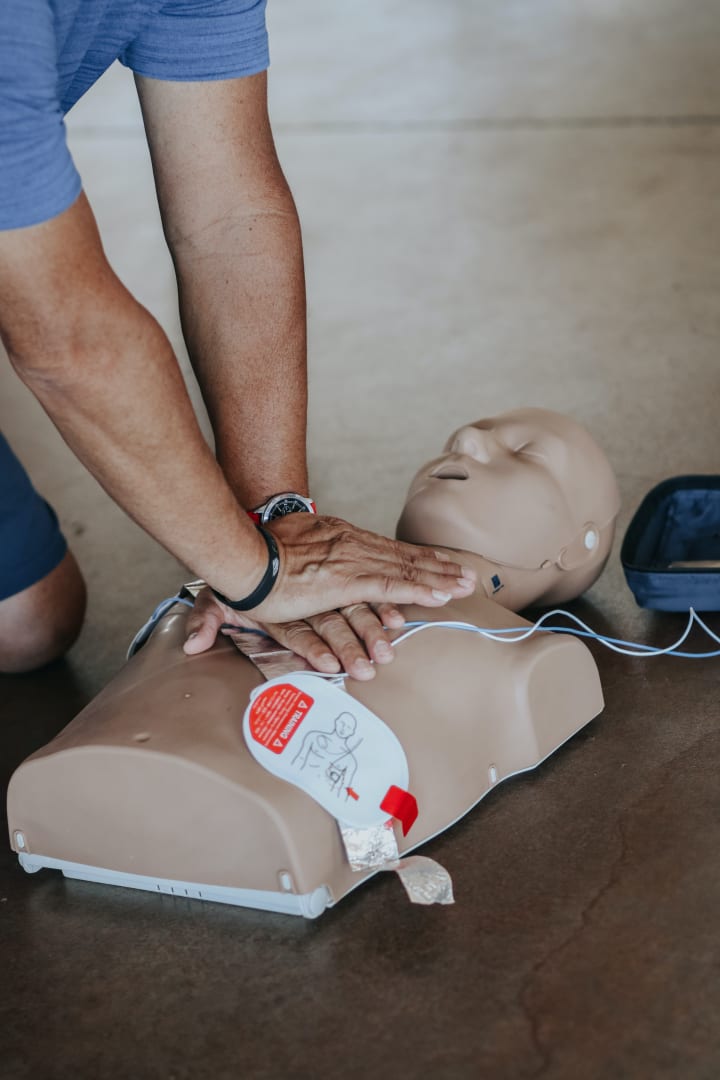
Having knowledge of basic DIY medical procedures can make a significant difference in preventing injuries and saving lives. For example, CPR (cardiopulmonary resuscitation) is a lifesaving technique that can be used to revive someone who has stopped breathing. Knowing CPR can be the difference between life and death, especially in cases of cardiac arrest.
Another important DIY medical procedure is the Heimlich maneuver, a technique used to remove foreign objects from the airway. The Heimlich maneuver can be performed on someone who is choking and unable to breathe. Quickly and effectively removing the foreign object can prevent choking and potential suffocation.
In addition to CPR and the Heimlich maneuvre, basic first aid skills such as wound care and handling fractures can also be helpful in a home medical emergency. Knowing how to clean and dress a wound can prevent infection, and properly immobilizing a fracture can reduce the risk of further injury.
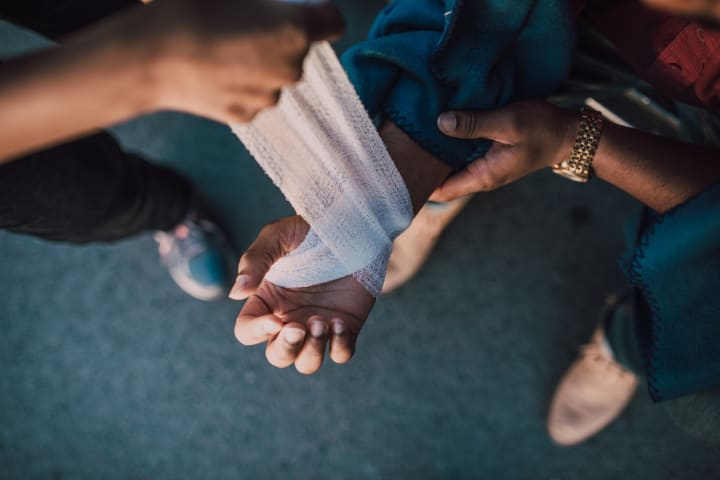
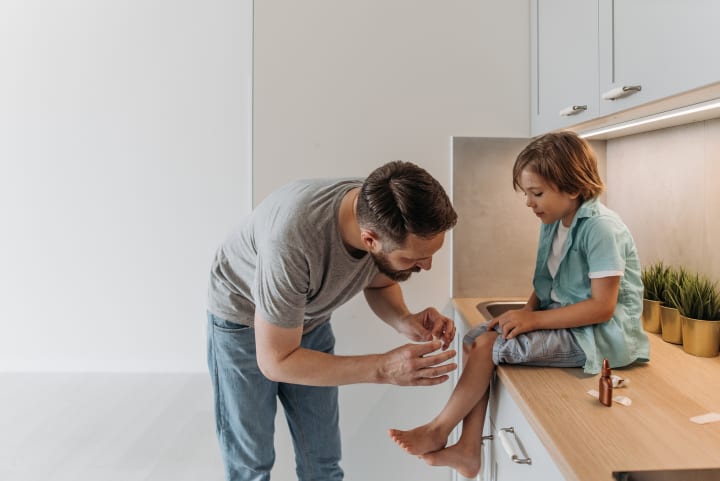
Wound care is an essential part of first aid. In the event of a cut or laceration, it is important to clean the wound thoroughly to prevent infection. This can be done by using soap and water or an antiseptic solution. The wound should then be covered with a sterile bandage to keep out any dirt or bacteria. In some cases, stitches may be necessary to close the wound and promote proper healing. Understanding the basics of wound care can help prevent infection and promote healing, allowing for a quicker recovery.
Handling fractures is another critical aspect of home medical emergencies. If someone has broken a bone, it is important to immobilize the affected limb to reduce the risk of further injury. This can be done using a splint, a sling, or a brace, depending on the location and severity of the fracture. Proper immobilization is key in reducing pain, preventing the formation of blood clots, and promoting proper healing.
Having a well-stocked first aid kit at home is also crucial in handling home medical emergencies. A basic first aid kit should include items such as sterile gauze, adhesive bandages, antiseptic wipes, and over-the-counter pain medication. It is also recommended to have an emergency phone number list and a plan of action in case of an emergency. Having these supplies on hand can save precious time in a critical situation and help you provide the necessary care until professional medical help arrives.
In addition to being prepared with supplies, it is also important to educate yourself and your loved ones on how to handle emergency situations. Taking a CPR or first aid course can provide you with the necessary knowledge and hands-on experience to handle home medical emergencies with confidence. Many local organizations, such as the American Red Cross, offer these courses, and they can be a valuable resource in building your confidence in providing care during a medical emergency.
In conclusion, home medical emergencies can happen to anyone, at any time. Having knowledge of basic DIY medical procedures and being prepared with a well-stocked first aid kit can greatly reduce the risk of injury and save lives. Educating yourself and your loved ones on how to handle emergency situations is also crucial in ensuring that you are prepared to provide care when it matters most. In today's fast-paced and uncertain world, it is more important than ever to be prepared for anything that life may throw your way.
About the Creator
Keep reading
More stories from writers in Families and other communities.
Wise~Guys
— Look Behind what's in Front of You ~ Make Good Choices — Hey, So how you Doin'..! Made~Men — Mobster Movies romanticise a distinctive, elegant appearance, impeccable attire style, along with the 'Families' expressive lingo. Making their 'Bones' gave them Panache — with vintage fedoras, tailored pin-striped suits, mirror-polished wing-tip shoes adorned with tassels; with their 'Gun Moll' gorgeous dates on their arms.
By Jay Kantor20 days ago in Families
The Lost Mind
I stand by the door, staring at Reema Aunty taking care of my Dadi**. Dadi can’t bathe herself anymore, Reema Aunty bathes her. Right now, she is combing Dadi’s hair, her once beautiful long hair is now short and full of white strands. Dadi peeps over and smiles, her eyes crinkling at the corners.
By Poonam Desai4 days ago in Families




Comments
There are no comments for this story
Be the first to respond and start the conversation.