
A diamond is a diamond, love is love
A diamond lasts forever, a diamond lasts forever
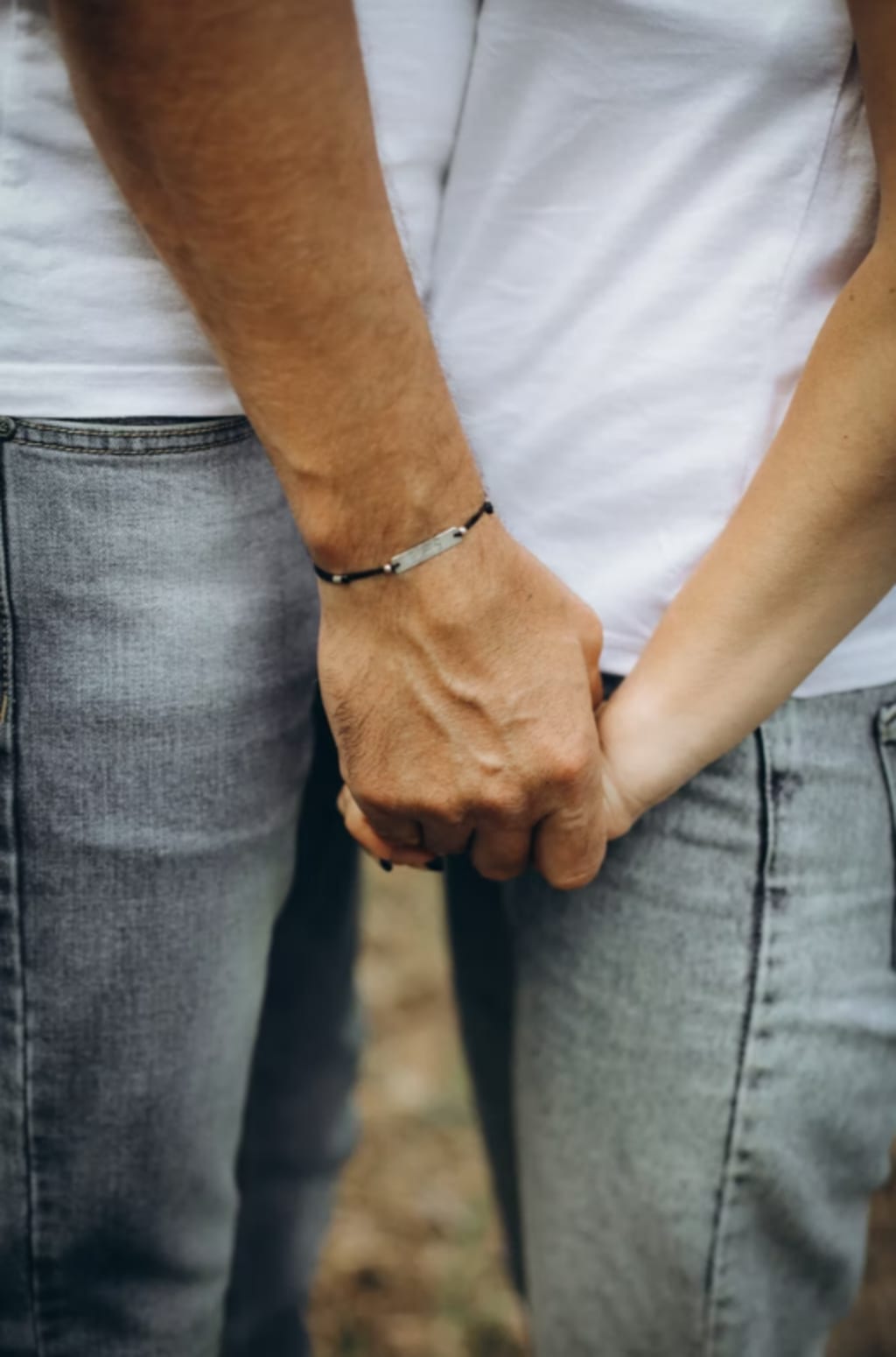
"A diamond is Forever, a diamond is Forever," a popular De Beers advertising slogan first appeared in 1947. In other words, the idea of diamonds as a symbol of eternal love has been around for less than 80 years. The same company, De Beers, has cleverly created a male responsibility that the diamond engagement ring should be worth two months of a man's salary.
In many movies and TV shows, a man pulls out a small box and a woman bursts into tears. The man pulls out the box from a mountain, a deep ocean, a ferris wheel, a roller coaster, and all sorts of unexpected places, but the box must contain a diamond ring.
These romantic scenes make girls think that this is how marriage starts. How many men faithfully fulfill this responsibility? Probably no one has counted them, and De Beers will never tell the public the truth. Research in the UK found that Britons spent an average of 1,865 pounds on engagement rings in 2020, slightly less than the average monthly wage in the UK that year.
The marketing of diamonds is a bit awkward: the sole purpose of any marketing is to sell a lot, but once the concept of a diamond as a symbol of eternal love is established, it's less romantic to encourage consumers to buy more: "Diamonds for every woman you love!" If a man really falls for this trick, a woman will wear a necklace with a string of diamond rings.
When a doctor showed actress Elizabeth Taylor the engagement ring he was going to give her fiancee, Taylor joked: "I've got a whole bunch of these." There is a company has a gimmick, each man with ID card life can only buy a diamond ring in their place, that life only love a woman. Later, the company's marketing did not collapse on the fickle men, but collapsed in the forbid women to buy their own diamond ring. Clearly, the company hasn't figured out whether money is God or men are God, or whether the idea of our marketing director is God.
Diamonds sold in the 1950s May still be on many people's fingers, but their value in the world has changed.
Figure source | pixabay
It has long been said that diamonds are not rare, but that large companies strictly control the number of diamonds on the market in order to fetch higher prices. Today, large, flawless, shiny synthetic diamonds are pouring out of factories for a fraction of the price of natural diamonds, confounding everyone. Jewelry companies dealing in natural diamonds initially tried desperately to prove that they were superior to artificial ones, but cold machines couldn't tell the difference. Then they tried to prove that the imperfections of natural diamonds were more aesthetically pleasing than man-made ones, but in doing so they destroyed the diamond rating system that had been in place for years. So they jumped into the business of artificial diamond jewelry, never mind timelessness -- bricks and even plastic fibers outlast flesh and blood.
Diamonds are cheap. What about our love? Is it cheaper too? If the value of love is not converted into diamonds, how should it be calculated? Love is spending two months 'salary on diamonds? Was there no love before there were no diamonds? The Koh-I-Noor in Britain's crown, which has risen and fallen through several kingdoms, has anything to do with love?
So, a diamond is a diamond, love is love, and business is business. A cat together says more about love than a diamond.
About the Creator
Keep reading
More stories from writers in Families and other communities.
Wise~Guys
— Look Behind what's in Front of You ~ Make Good Choices — Hey, So how you Doin'..! Made~Men — Mobster Movies romanticise a distinctive, elegant appearance, impeccable attire style, along with the 'Families' expressive lingo. Making their 'Bones' gave them Panache — with vintage fedoras, tailored pin-striped suits, mirror-polished wing-tip shoes adorned with tassels; with their 'Gun Moll' gorgeous dates on their arms.
By Jay Kantor20 days ago in Families




Comments
There are no comments for this story
Be the first to respond and start the conversation.