
A Comprehensive Look at Pregnancy for Disabled Women in Australia
Can Disabled Women Conceive?
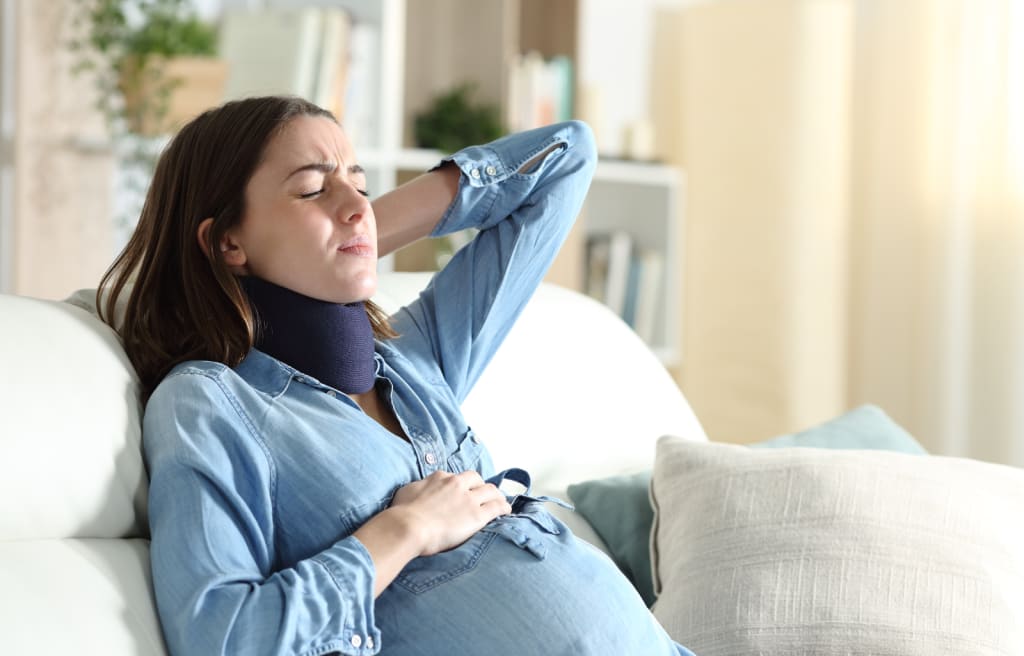
Welcome to this comprehensive exploration, providing much-needed insight into the topic of pregnancy for disabled women. As we delve into this significant area of discussion, we seek to address a frequently posed question: 'Can a disabled woman get pregnant?' This inquiry, echoing the sentiments and concerns of many across Australia, warrants a thorough, informed response to dispel any misconceptions and enlighten our readers about the realities faced by disabled women aspiring to motherhood.
Given the broad range of disabilities, the question 'Can a disabled woman get pregnant?' is not one-dimensional as it goes beyond a simple 'yes' or 'no'. It involves an intricate overlapping of physical, mental, and societal factors unique to each individual. As we highlight the various challenges and triumphs of disabled women who have endeavoured and succeeded in becoming mothers, this article aims to shed light on the often underestimated fertility capacity and capabilities of disabled women. We aspire to challenge stigmas, raise awareness and inspire a more inclusive understanding of motherhood.
Understanding Disability and Fertility
In delving into a comprehensive look at pregnancy for disabled women, it's essential first to gain a broad understanding of disability and fertility. Disability, in this context, is an encompassing term that covers a wide range of conditions, including physical impairments, sensory issues, and cognitive challenges. There's a common belief that disability directly affects fertility, but this notion is flawed, as every individual's disability varies in nature and severity, thus influencing each woman's fertility differently.
The tapestry of fertility among disabled women is just as diverse as the disability spectrum. Various disabilities present different challenges that might influence pregnancy outcomes but don't necessarily limit a woman's capability to get pregnant. From physical impairments affecting mobility to sensory challenges influencing routine activities, each type of disability introduces unique considerations into the fertility dialogue. Also, it is important to remember that underlying conditions related to the disability can have an impact, rather than the disability itself.
For example, spinal cord injuries or physical disabilities might require assistive reproductive technologies such as in-vitro fertilisation. On the other hand, intellectual disabilities might necessitate additional family planning support and guidance during the pregnancy process. Emotional and mental health disabilities can also play roles in pregnancy, requiring certain accommodations and possibly affecting post-birth care.
A thorough discussion on how various disabilities affect pregnancy serves as a crucial pillar in improving fertility health services for disabled women. By exploring these intricacies, we hope to empower disabled women with knowledge and encourage health professionals to tailor their practices to suit the individual needs of every aspiring mother.
Without downplaying the obstacles and potential health issues disabled women may face during pregnancy, it's important to highlight that disability doesn't equate with infertility. Each woman's journey towards motherhood is unique, influenced by their physical, emotional and societal environment. As we continue to delve deeper, we aim to emphasise the successes and capabilities of disabled women, establishing an informed discussion based on facts, rather than assumptions or stereotypes.
'Can a Disabled Woman Get Pregnant?'
One of the primary objectives of this article is to challenge and delve into the often-asked question - 'Can a disabled woman get pregnant?' This query embodies various myths and misconceptions that are ripe to be dissected and thoroughly examined. As society evolves and understanding expands, it is time we dispensed with the outdated notion that disability equals incapability, particularly concerning fertility and motherhood.
Numerous myths and misconceptions surround the concept of pregnancy in disabled women. These range from the incorrect belief that disabled women are biologically incapable of conceiving to the erroneous idea that disability is hereditary and will inevitably be passed on to the child. These misconceptions continue to persist, fueled by a lack of knowledge and exposure, posing significant psychological and emotional challenges for disabled women wishing to become mothers.
Asserting our commitment to debunk these myths, we present the facts and scientific findings that offer a compelling counter-narrative. For instance, studies suggest that fertility rates among women with physical disabilities may not significantly differ from those of non-disabled women. While certain disabilities may pose unique challenges to conception and pregnancy, they often do not categorically preclude the possibility of bearing children. Moreover, with advances in medical science, many of these challenges can be effectively managed or mitigated.
As for the heredity of disabilities, it's essential to note that disability is not inherently hereditary. Only specific disabilities with a genetic component can potentially be passed on, much like any genetic condition in a non-disabled woman. Therefore, the fear of disability transfer to offspring should not be a standard concern for all disabled women contemplating pregnancy.
In shedding light on the truth that disabled women can and do successfully conceive, we hope to challenge societal prejudices and empower disabled women with the factual information that bolsters their understanding and confidence. Aiming to move beyond limiting assumptions, the message we wish to communicate clearly is this: while disability may condition their path to motherhood, it does not and should not constitute an insurmountable barrier.

The Medical Experts Perspective
To complement our discussion on the topic of pregnancy among disabled women, it's vital to incorporate the medical perspective. Experts in the field provide the necessary medical context and scientific knowledge that contribute to a broader, more nuanced understanding of the issue.
Dr. Alison Mitchell, a renowned obstetrician-gynaecologist, shares valuable insights into the subject matter at hand. She affirms, "Physical disability does not generally prevent a woman from becoming pregnant. The body's ability to conceive is not typically affected by physical limitations." However, she also draws attention to the fact that the medical community needs to better accommodate disabled women during their pregnancy journey, whether it be through accessible examining tables or Sign Language interpreters for deaf women.
On the subject of reproductive options, fertility specialist Dr. Robert Stevenson offers his expert opinion. "For some disabled women," he points out, "conceiving naturally might be a challenge due to their physical condition. However, we now have assisted reproductive technologies (ART) available that can help. Procedures such as in-vitro fertilisation (IVF) or intrauterine insemination (IUI) can offer realistic pathways to pregnancy for these women."
Beyond conception, pregnancy management and childbirth may require unique accommodations for disabled women. Labour and Delivery Nurse, Patricia Holmes elaborates, "Pregnancy care should be individualised. We need to adjust our care delivery methods to accommodate the specific needs and limitations of each woman. This might involve creative positioning during labour or planning for a caesarean-section if necessary."
Medical aids and adaptive devices also play a crucial role in supporting disabled women through pregnancy. From specially designed maternity clothes for wheelchair users to voice-activated apps that help visually impaired women monitor their pregnancy progress, these aids can enhance the pregnancy experience for disabled women.
The Socio-Environmental Impact
While dimensions of disability, fertility, and medical perspectives are crucial elements of our discussion, they do not exist in isolation. The socio-environmental milieu where disabled women dwell strongly influences their pregnancy journey. Societal beliefs, attitudes, and the physical environment can all dramatically impact a disabled woman's pregnancy experiences.
The societal mindset plays a significant role in shaping the journey of a disabled woman through pregnancy. Preconceived notions, biases, and stereotypes concerning disabled people can cast a considerable influence. For instance, misconceptions such as disabled women being incapable of pregnancy or improper parents, can undermine their self-esteem and deter them from pursuing motherhood, even when medically plausible.
Conversely, a supportive and informed society can play a significant part in encouraging their quest towards motherhood. Peer and family support, positive representation in media, and public education campaigns to dispel myths can foster a more conducive social environment for disabled women pursuing pregnancy.
The physical environment and inherent accessibility also play essential roles in a disabled woman's pregnancy journey. From easy access to healthcare facilities to availability and affordability of adaptive aids, these factors greatly affect their pregnancy experience.
A key aspect of socio-environmental support is the network of social services that can assist disabled women during pregnancy. These include but are not limited to public health initiatives, educational resources, counselling, and support groups. Moreover, tailored services such as at-home health visits, support for mental health, and financial aid can better equip disabled women to manage their pregnancy.
Australia's Actions for Disabled Mothers
Government policies and provisions directed towards supporting disabled women yearning for motherhood can significantly affect the inclusiveness, accessibility, and ease of their journey. Australia has traditionally been forward-thinking in terms of policies for disabled individuals, and the realm of motherhood is no exception. The Australian government has a set of robust policies laid out under the National Disability Strategy 2010-2020. This includes an insistence on 'health and wellbeing,' which, among other things, emphasises the right of women with disabilities to enjoy optimal health and wellbeing on an equal basis with others.
This commitment extends towards making health care services including sexual and reproductive health services, adequately available to women with disabilities. This incorporates provisions for ramped accessibility, auditory aids, and sign language interpreters in maternity wards, offering disabled mothers the same level of attention and care as others. That being said, the implementation of these policies can often be a hurdle. Even though the foundation for inclusive practices exists on policy papers, the application might vary across the country based on available resources, trained personnel, and awareness levels.
In terms of support systems, Australia has a well-integrated network of public health care services, community organisations, and advocacy groups that provide various supports to disabled women aspiring to become mothers. From counselling and peer support groups to financial aid and physiotherapy services, these support structures surround disabled women with necessary resources and knowledge.
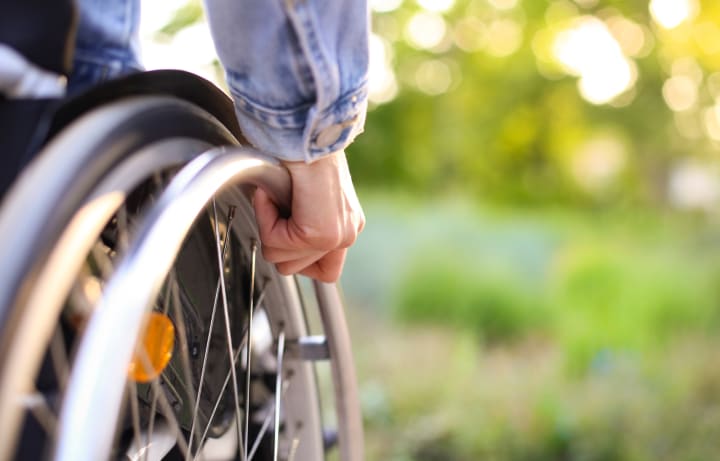
Through these policies and provisions, Australia is striving to create an environment that normalises pregnancy among disabled women, providing them with the necessary supports and resources. It's crucial to regularly review and update these policies and provisions to keep pace with modern societal changes and diverse individual needs, thus ensuring their effectiveness in aiding disabled women on their journey to motherhood.
It's essential to recognise that disability doesn't equate to an inability to conceive or bear children. Each woman's pregnancy journey is unique and deserves respect and support, disability or not. In our quest to provide a comprehensive look at pregnancy for disabled women in Australia, we've strived to shed light on the medical, societal, and policy-based perspectives. We hope to have underscored the importance of understanding, empathy, and accessibility in making the road to motherhood easier for disabled women. For those seeking guidance or support in their unique pregnancy journey, Disability Maternity is always here to help. Don't hesitate to reach out to them for your specific disability pregnancy needs. They believe every woman has the right to experience the joy of motherhood, and together, they can make that journey a reality.
About the Creator
Keep reading
More stories from Leonardo Nollora and writers in Families and other communities.
Exploring the Feasibility of Basswood Venetian Blinds in Humid Spaces
Step into a world where sophistication meets durability, as we delve into the realm of basswood Venetian blinds and their compatibility with high-humidity environments such as bathrooms and kitchens. In this article, we aim to unravel the secrets behind these exquisite window treatments, ensuring that style and practicality flawlessly blend together. Whether you're envisioning a tranquil oasis in your bathroom or a culinary haven in your kitchen, the question lingers: Are basswood Venetian blinds up to the challenge?
By Leonardo Nollora3 years ago in Families
Wise~Guys
— Look Behind what's in Front of You ~ Make Good Choices — Hey, So how you Doin'..! Made~Men — Mobster Movies romanticise a distinctive, elegant appearance, impeccable attire style, along with the 'Families' expressive lingo. Making their 'Bones' gave them Panache — with vintage fedoras, tailored pin-striped suits, mirror-polished wing-tip shoes adorned with tassels; with their 'Gun Moll' gorgeous dates on their arms.
By Jay Kantor19 days ago in Families
C100 Form Explained: Applying to Court for Child Arrangements
When parents separate, worries about children don’t usually arrive all at once. At first, they sit quietly in the background. Then something happens. A disagreement over school nights. A holiday that hasn’t been agreed. A pick-up time that suddenly changes.
By Jess Knauf5 days ago in Families
Wild Card Weekend Recap: What Happens Now?
I think I figured out why I love Wild Card Weekend so much. It's because it's the first playoff anything of the calendar year. The NFL season starts in the fall, and once upon a time, the champion was crowned either on or slightly before New Year's. The evolution of the NFL schedule has resulted in the playoffs starting just into the New Year, and currently, the final week of the season falls on the first weekend of the New Year, with Wild Card Weekend coming a week after that. So yes, chronologically, the NFL's Wild Card Weekend serves as the first playoff anything of the calendar year.
By Clyde E. Dawkins7 days ago in Unbalanced




Comments
There are no comments for this story
Be the first to respond and start the conversation.