
5 Things to avoid before going for a shopping
Tips to avoid unnecessary spending

1. Shopping without a budget: Having a budget in mind before going shopping can help you avoid impulse buying and overspending.
Shopping without a budget can lead to overspending and financial strain. It's important to set a budget for your shopping and stick to it. By having a budget in mind, you'll be better able to control your spending and avoid impulse buying.
When creating a budget, consider your income, expenses, and savings goals. Then, decide how much you can afford to spend on shopping. This will help you avoid overspending and ensure that you have enough money to cover your other necessary expenses.
It is also important to be aware of the prices and compare them before making a purchase. This will give you an idea of how much you are spending and if it is worth it.
By planning and sticking to your budget, you'll be able to enjoy your shopping experience without worrying about financial stress.
2. Not making a list: Making a list of items you need to buy can help you stay focused and avoid buying unnecessary items.
Not making a list before going shopping can lead to impulse buying and purchasing items that you may not need or even use. It can also lead to forgetting important items that you may have planned to purchase.
It's always a good idea to make a list before going shopping, whether it's for groceries or other items so that you stay focused and on track with what you need to buy. It can also help you stick to your budget and avoid overspending.
3. Shopping when you are hungry: When you are hungry, you may be more prone to buying unhealthy or impulse food items.
Shopping when you are hungry can lead to impulse buying, particularly when it comes to food. When you are hungry, you may be more likely to purchase unhealthy or high-calorie snacks and foods that you may not have planned to buy.
Additionally, it can be difficult to make rational decisions when you are feeling hungry, which can lead to overspending. To avoid this, it's best to eat a healthy meal or snack before heading out to do your shopping.
This way, you'll be better able to focus on your shopping list, and budget and make more rational decisions while shopping.
4. Shopping when you are in a bad mood: Shopping when you are feeling sad, angry, or stressed can lead to impulse buying or overspending.
Shopping when you are in a bad mood can lead to impulse buying and overspending. When you are feeling sad, angry, or stressed, you may be more likely to make impulsive purchases that you may later regret. Additionally, shopping to cope with negative emotions can lead to overspending and financial strain.
It's important to be aware of your emotional state before going shopping. If you're feeling down or upset, it may be best to wait until you're in a better mindset before making any purchases.
Instead, try engaging in other activities that can help you relax and lift your mood, such as exercising, talking to a friend, or practicing mindfulness. When you're in a better mood, you'll be more likely to make rational and budget-friendly purchasing decisions.
5. Shopping without checking for deals or coupons: Before shopping, check for deals or coupons that can help you save money.
Shopping without checking for deals or coupons can lead to overspending and missing out on potential savings. Retailers often offer discounts, sales, and coupons that can help you save money on your purchases.
Before you go shopping, take some time to check for deals and coupons that are available. This can include checking the retailer's website, signing up for their email newsletter, or searching for coupons online.
By taking advantage of deals and coupons, you can potentially save a significant amount of money on your purchases. Additionally, it's also good to compare prices across different retailers to make sure you're getting the best deal.
About the Creator
Keep reading
More stories from writers in Families and other communities.
Wise~Guys
— Look Behind what's in Front of You ~ Make Good Choices — Hey, So how you Doin'..! Made~Men — Mobster Movies romanticise a distinctive, elegant appearance, impeccable attire style, along with the 'Families' expressive lingo. Making their 'Bones' gave them Panache — with vintage fedoras, tailored pin-striped suits, mirror-polished wing-tip shoes adorned with tassels; with their 'Gun Moll' gorgeous dates on their arms.
By Jay Kantor21 days ago in Families
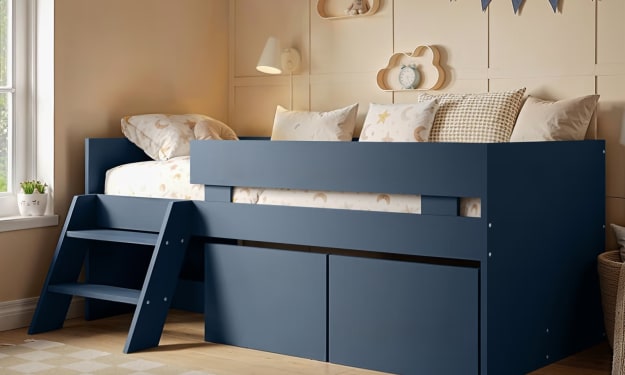
Kids Beds Suitable for Smaller Bedrooms: Smart Comfort Without Crowding
Not every child has a large bedroom. In many homes, space is shared or limited, which means every piece of furniture needs to be chosen carefully. A bed that is too big or bulky can make a small room feel cramped and uncomfortable.
By Shazad Khan5 days ago in Families



Comments
There are no comments for this story
Be the first to respond and start the conversation.