
2-Day or 4-Day Inca Trail: Which is Worth the Hike?
2-Day or 4-Day Inca Trail: Which is Worth the Hike?

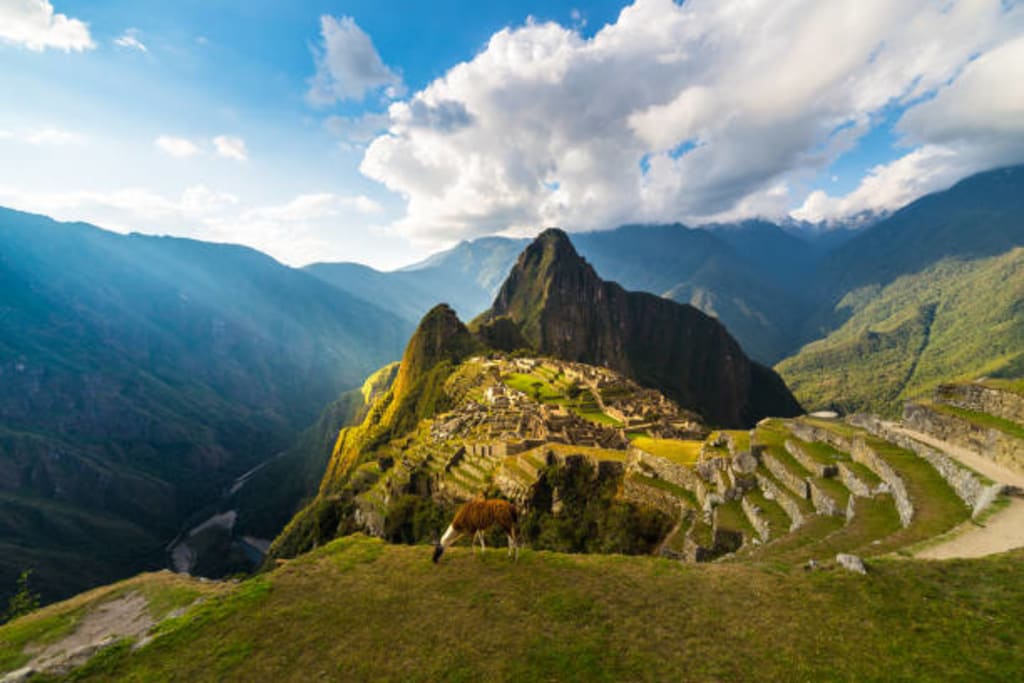
Machu Picchu is a dream destination for many travelers, and hiking the legendary Inca Trail is one of the most unforgettable ways to reach it. But when planning your adventure, a common dilemma arises: should you hike the full 4-day Inca Trail or opt for the shorter 2-day version?
Both routes lead you to the same iconic site, but the journey, effort, and experiences along the way are quite different. In this guide, we’ll compare the 2-day and 4-day Inca Trail treks to help you decide which one is truly worth your time and energy.
Understanding the Two Treks
What Is the 4-Day Inca Trail?
The 4-day trek is the classic route that thousands of hikers complete each year. This version covers about 26 miles and takes you through a wide range of ecosystems, climates, and elevations. You'll pass multiple Inca archaeological sites, camp in the Andes under the stars, and reach Machu Picchu at sunrise through the famous Sun Gate (Inti Punku).
It’s a challenging but rewarding journey, ideal for those who enjoy multi-day hiking and are looking for a deep connection with nature and history.
What Is the 2-Day Inca Trail?
The 2-day option, sometimes called the “Short Inca Trail,” is a condensed version of the hike that still allows you to walk part of the original trail and enter Machu Picchu on foot. This trek begins at KM 104 on the railway line and includes a roughly 7.5-mile uphill hike, visiting Wiñay Wayna—one of the most beautiful Inca sites—before arriving at Machu Picchu in the afternoon.
You’ll spend the night in Aguas Calientes, then return the next day for a full guided tour of the citadel.
Scenery and Highlights
4-Day Trail Experience
This trek immerses you in the Andes, offering constantly changing landscapes—high-altitude passes, lush cloud forests, and remote valleys. You’ll also pass several ancient Inca sites only accessible on foot:
- Llactapata: A large farming settlement with terraces and houses
- Runkurakay: A mysterious round structure believed to be a rest stop
- Sayacmarca: A maze-like ruin perched on a cliff
- Phuyupatamarca: Known as the "City Above the Clouds"
- Wiñay Wayna: A beautiful site with cascading terraces and fountains
The climax comes at dawn on Day 4 when you arrive at Machu Picchu through the Sun Gate, watching the first light hit the ruins.
2-Day Trail Experience
While it skips many of the earlier sites, the 2-day hike still includes Chachabamba and Wiñay Wayna, giving you a taste of the Inca architectural genius. You’ll trek through vibrant cloud forest and gain your first view of Machu Picchu in the late afternoon, often when the crowds have dispersed.
The next morning, you return for a full visit by bus, refreshed and ready to explore.
Difficulty and Physical Effort
4-Day Trail: A True Challenge
The classic trek is physically demanding. You’ll hike 6–9 hours per day, sometimes in extreme conditions. One of the biggest tests is crossing Dead Woman’s Pass, the highest point on the trail at 13,828 feet (4,215 meters). The steep ascents and descents, combined with the altitude, can be tough even for seasoned hikers.
Training ahead of time and spending a few days acclimatizing in Cusco is highly recommended.
2-Day Trail: Moderate Difficulty
The shorter trail is much more approachable, making it a great choice for travelers who:
- Aren’t experienced hikers
- Are traveling with children or older companions
- Are on a tight schedule
- Prefer less physically demanding adventures
You’ll still need to handle a few hours of hiking with elevation gain, but there’s no camping and the altitude is significantly lower.
Time and Logistics
Choosing the 4-Day Trek
The classic route takes four full days, not including time for acclimatization. Many travelers add 2–3 days in Cusco or the Sacred Valley before the trek to adjust to the altitude, making the total trip closer to a week. It's best for travelers who can devote more time and want a deeper, more immersive journey.
Going with the 2-Day Option
If you're on a tight schedule, the 2-day version is a smart way to still walk part of the trail and enter Machu Picchu through the Sun Gate. It also frees up your itinerary for other activities in Peru, like visiting Rainbow Mountain, Lake Titicaca, or the Amazon.
Accommodation and Amenities
Camping on the 4-Day Trek
You’ll sleep in tents at designated campsites. Most reputable tour operators provide porters, tents, sleeping bags, and meals. Still, don’t expect much in terms of comfort—there are no showers, and the bathrooms are basic at best.
For many, this is part of the adventure. For others, it can be a deal-breaker.
Hotel Stay with the 2-Day Trek
One of the biggest advantages of the short trail is ending the day in Aguas Calientes, where you’ll sleep in a real bed, enjoy a hot shower, and possibly indulge in a nice dinner or spa treatment before visiting Machu Picchu the next morning.
Permits and Availability
All Inca Trail treks require permits regulated by the Peruvian government, and these permits are limited to protect the trail.
- 4-Day Trail: Permits can sell out 6 months in advance, especially during the dry season (May to September).
- 2-Day Trail: Easier to secure, but it’s still best to book at least 1–2 months ahead.
Permits are non-transferable and linked to your passport, so early planning is crucial.
Cost Considerations
4-Day Trek Pricing
Due to the length and logistics involved, the 4-day hike is more expensive. You're paying for porters, cooks, camping equipment, and more complex transportation. Expect to pay anywhere from $600 to $900 USD depending on the company and inclusions.
2-Day Trek Pricing
The 2-day option typically costs $350 to $550 USD. It includes transport, a guide, entrance fees, accommodation in Aguas Calientes, and the return visit to Machu Picchu.
For budget-conscious travelers who still want a unique experience, this offers solid value.
Which One is Best for You?
Here’s a side-by-side breakdown of the main differences between the 4-Day Inca Trail and the 2-Day Inca Trail to help you choose the best fit for your travel style:
4-Day Inca Trail
- Distance: Approximately 26 miles (42 kilometers)
- Duration: 4 days / 3 nights
- Difficulty: Challenging – includes high-altitude hiking and steep climbs
- Highest Altitude: Around 13,828 ft (4,215 meters) at Dead Woman’s Pass
- Accommodation: Camping along the trail
- Scenic & Historic Highlights:
- Multiple Inca archaeological sites (Llactapata, Runkurakay, Sayacmarca, Phuyupatamarca)
- Stunning Andean landscapes and cloud forests
- Sunrise arrival at Machu Picchu through the Sun Gate
- Ideal For: Adventure travelers, experienced hikers, and those seeking a more immersive experience
- Permit Availability: Sells out fast—book at least 5–6 months in advance
- Estimated Cost: $600–$900 USD (depending on the operator and season)
2-Day Inca Trail
- Distance: Approximately 7.5 miles (12 kilometers)
- Duration: 2 days / 1 night
- Difficulty: Moderate – manageable for most fitness levels
- Highest Altitude: Around 8,800 ft (2,700 meters)
- Accommodation: Hotel stay in Aguas Calientes
Scenic & Historic Highlights:
- Inca ruins like Chachabamba and Wiñay Wayna
- Afternoon arrival at Machu Picchu through the Sun Gate
- Full guided tour of Machu Picchu the next morning
- Ideal For: Casual travelers, families, older hikers, and those short on time
- Permit Availability: More flexible—book 1–2 months in advance
- Estimated Cost: $350–$550 USD
Our Final Thoughts
Both the 2-day and 4-day Inca Trail treks offer incredible ways to experience Machu Picchu—but in very different styles. If you're craving a full adventure, have the time, and want to follow in the exact footsteps of the Inca messengers, the 4-day trail is the ultimate way to go.
On the other hand, if you're short on time, prefer a more comfortable experience, or just want a taste of the Inca Trail without the intense commitment, the 2-day hike delivers beauty, history, and a rewarding view of Machu Picchu with far less strain.
Whichever path you choose, you’ll walk away with lifelong memories—and the awe of standing where the ancient Inca once stood.
About the Creator
Luan travel Peru
Luan Travel Peru specializes in crafting unforgettable experiences for adventurers seeking to explore the wonders of Peru, with a particular focus on the Short Inca Trail.
Keep reading
More stories from Luan travel Peru and writers in Families and other communities.
Which Circuit is Best for Machu Picchu
When planning a visit to Machu Picchu, one of the most crucial decisions you’ll make is choosing the right circuit to explore this ancient Incan citadel. Since June 2024, the Peruvian Ministry of Culture has implemented a new system that divides the site into three main circuits, each with its own sub-routes. These Machu Picchu circuit 2025 options are designed to preserve the integrity of the ruins, manage visitor flow, and enhance your overall experience.
By Luan travel Peru11 months ago in Families
Wings of a Lioness: The Geology of Inherited Pride
People often ask me where I get the strength to pack my entire life into two suitcases and head into the unknown. Where do I get that step that never falters, neither in the cold Canadian North nor under the elegant skies of France? The answer doesn't lie in geographic maps, but in an old photo album, my mother's oversized ring, and that blue flight attendant's cap that is worth more to me than any crown. My courage is not my own doing – it is the dowry left to me by my mother, a woman who conquered heights with airplanes, and the earth beneath her feet with her unwavering character.
By Magma Star4 days ago in Families




Comments
There are no comments for this story
Be the first to respond and start the conversation.