
Yoga for Core Strength and Stability
Building a Strong Foundation with Core-Focused Yoga

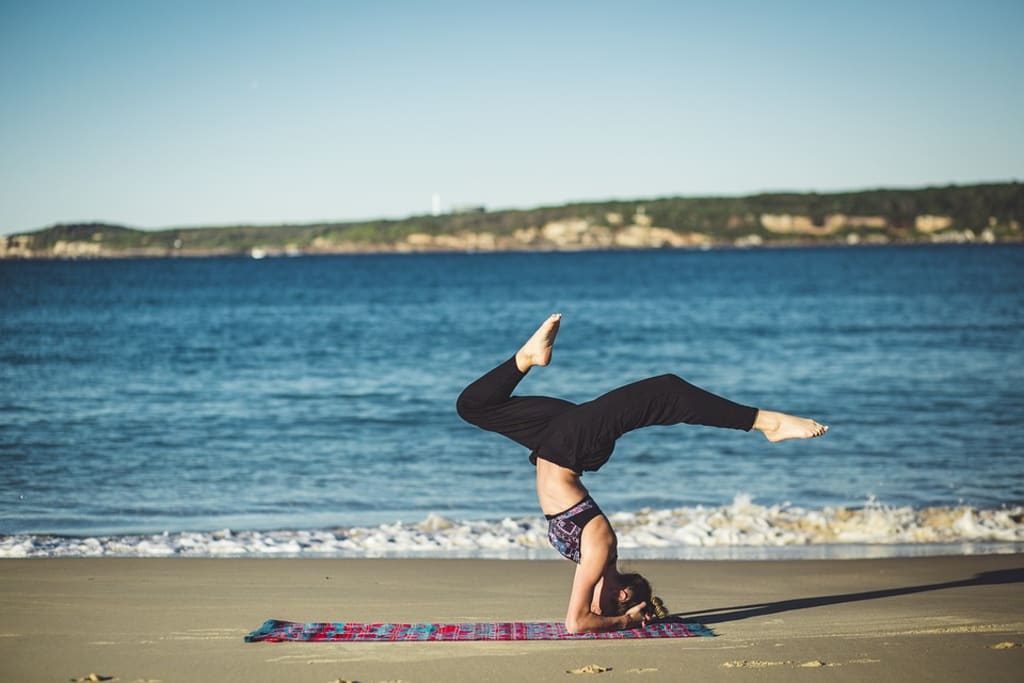
Core strength is essential not only for physical fitness but also for functional movement, balance, and stability. The “core” goes beyond just the abdominal muscles—it encompasses a group of muscles including the obliques, lower back, pelvic floor, and even the diaphragm. A strong core improves posture, reduces the risk of injury, and enhances performance in daily activities and other physical exercises. Yoga, with its focus on mindful movement, is one of the most effective ways to build core strength and stability. By incorporating balance, controlled breathing, and mindful engagement, yoga helps create a solid foundation for overall well-being.
The Importance of Core Strength and Stability
Core strength is more than having toned abs; it’s the foundation of a stable and powerful body. A strong core supports the spine, allows for efficient and safe movement, and helps prevent injuries. Core stability also improves balance, which is crucial for anyone who wants to feel steady and secure in their movements, whether during sports, exercise, or daily activities like walking and lifting. With a well-engaged core, the body can maintain a neutral spine and correct posture, reducing strain on the lower back and other muscles.
In yoga, core strength is vital to performing postures safely and effectively. When the core is engaged, it stabilizes the torso, allowing other muscles to work efficiently without unnecessary strain. This also provides the support needed to achieve balance in poses and transitions, especially in positions that require lifting or balancing on one foot.
Yoga Poses to Build Core Strength and Stability
The following yoga poses target various core muscles, helping build strength and stability over time. Each of these poses emphasizes mindful engagement of the core to enhance strength and balance.
1. Plank Pose (Phalakasana)
Plank Pose is one of the simplest yet most effective poses for core strength. Begin in a push-up position with hands directly under the shoulders, and engage your core by pulling your belly toward your spine. Hold this position while breathing steadily, focusing on keeping the body in a straight line. Plank not only strengthens the abdominals but also works the shoulders, arms, and legs.
2. Boat Pose (Navasana)
Boat Pose is an excellent pose for activating the deep core muscles. Start seated, lean back slightly, lift your feet off the ground, and balance on your sit bones. Extend your arms forward and straighten your legs if possible, creating a V-shape with your body. This pose requires core engagement to stay balanced and is fantastic for building core endurance.

3. Side Plank Pose (Vasisthasana)
Side Plank Pose strengthens the obliques and enhances lateral stability. From Plank Pose, shift to balance on one hand and the outer edge of one foot. Stack the other foot on top and extend the opposite arm upward. This pose demands core stability and balance, as well as shoulder and hip engagement, making it an all-encompassing strength builder.
4. Bridge Pose (Setu Bandhasana)
Although Bridge Pose might seem more focused on the glutes, it also targets the core and back muscles. Lying on your back with knees bent, lift your hips while keeping your shoulders grounded. Engage your core and pelvic floor to create stability in the lower body. This pose strengthens the entire core area, particularly the lower back, glutes, and pelvic floor.
5. Forearm Plank (Makara Adho Mukha Svanasana)
This variation of Plank Pose places more emphasis on the deep core muscles and shoulders. Begin in Plank Pose, then lower onto your forearms with elbows under the shoulders. Hold the pose while keeping your body in a straight line from head to heels. This pose challenges stability and balance and helps build core strength efficiently.
6. Warrior III (Virabhadrasana III)
Warrior III strengthens the core, hips, and lower back while improving balance. Begin in a standing position, shift your weight onto one leg, and lean forward as you lift the other leg behind you, creating a straight line from head to toe. Extend your arms forward for added challenge. Balancing in this position engages the core, especially the obliques and lower back.
7. Dolphin Pose (Ardha Pincha Mayurasana)
Dolphin Pose combines a shoulder and core workout in one. From Downward-Facing Dog, lower onto your forearms. Engage the core and keep your hips lifted, pressing through your forearms. This pose strengthens the shoulders, arms, and core, making it a great addition to any core-building routine.
Breathing Techniques to Enhance Core Engagement
Yoga breathing techniques, or pranayama, also play an important role in building core stability. When we breathe deeply into the abdomen, we engage the diaphragm, which is part of the core. Practicing breath awareness during core exercises can enhance control and stability. Here are a couple of breathing techniques that support core strength:
Ujjayi Breath: Also known as “victorious breath,” Ujjayi breathing involves a slight constriction at the back of the throat. This creates a gentle, audible breath, which can help you stay focused and engaged in core poses. Ujjayi breath provides a steady rhythm that supports stability during challenging poses.
Diaphragmatic Breathing: Focus on breathing deeply into the lower belly, allowing it to expand on each inhale and contract on each exhale. Diaphragmatic breathing activates the core muscles, particularly the deep transverse abdominis, improving overall stability.
Benefits of Core Strength in Daily Life
A strong core contributes to more than just improved yoga performance. In daily life, core strength helps prevent injuries by supporting correct posture and spinal alignment. Whether lifting heavy objects, climbing stairs, or simply standing for extended periods, a stable core minimizes strain on the lower back and helps maintain balance. Core strength also enhances athletic performance in other activities like running, swimming, and cycling.
Tips for Developing Core Strength Safely with Yoga
Focus on Form: Always prioritize form over intensity. Proper alignment prevents injury and ensures that you’re engaging the right muscles.
Practice Consistently: Building core strength takes time. Practice regularly, even if it’s just for a few minutes each day.
Integrate Breathing: Use mindful breathing to engage the core and stay focused during challenging poses.
Progress Gradually: Start with beginner poses and increase the challenge as your core becomes stronger. Avoid pushing beyond your limits to reduce the risk of strain or injury.
Conclusion
Yoga provides a powerful and mindful approach to developing core strength and stability. By integrating specific poses and breathing techniques, practitioners can build a strong, stable core that supports balance, improves posture, and enhances daily movement. With consistency and mindfulness, yoga offers a pathway to cultivating a resilient body, empowering you to move through life with confidence, strength, and stability.
About the Creator
William
I'm William, a passionate writer🏋️♂️ Health & Fitness Advocate 🌱 | Sharing tips on workouts 💪, nutrition 🥗, and wellness 🌞 to help you live a balanced, active life. Let’s reach your fitness goals together! 🌟
What’s the best position to sleep in?
In the 1970s, psychoanalyst Samuel Dunkell proposed a curious, albeit almost completely unsubstantiated, theory that the position you sleep in reflects your personality. For example, preferring to snooze in the so-called royal position indicated self-confidence, while sleeping semi-fetal meant you’re sensible and well adjusted. While Dunkell’s ideas lack any definitive proof, how we sleep can impact our health. So, what’s the best position to sleep in? Sleep positions go by countless creative names—
By Munesh Yadav3 days ago in Education
How a Bowl of Noodles Became a Global Phenomenon That Crossed Borders
A bowl of noodles is one of the most familiar meals in the world. It appears in many cultures, served in different ways, yet always recognizable. The path of how a bowl of noodles became a global phenomenon is tied to human movement, simple cooking methods, and the need for comfort food. This story explains how a basic dish grew into a worldwide favorite.
By Table to Stix Ramen7 days ago in Education



Comments
There are no comments for this story
Be the first to respond and start the conversation.