

While yoga has many benefits for overall health and wellness, there is no direct evidence that specific yoga poses can regrow hair. However, there are certain yoga practices that can help improve circulation, reduce stress, and promote relaxation, which can indirectly support hair growth.
CLICK HERE FOR BEST YOGA MAT: https://amzn.to/3Zgo3fS
Here are some yoga practices that may help support healthy hair growth:
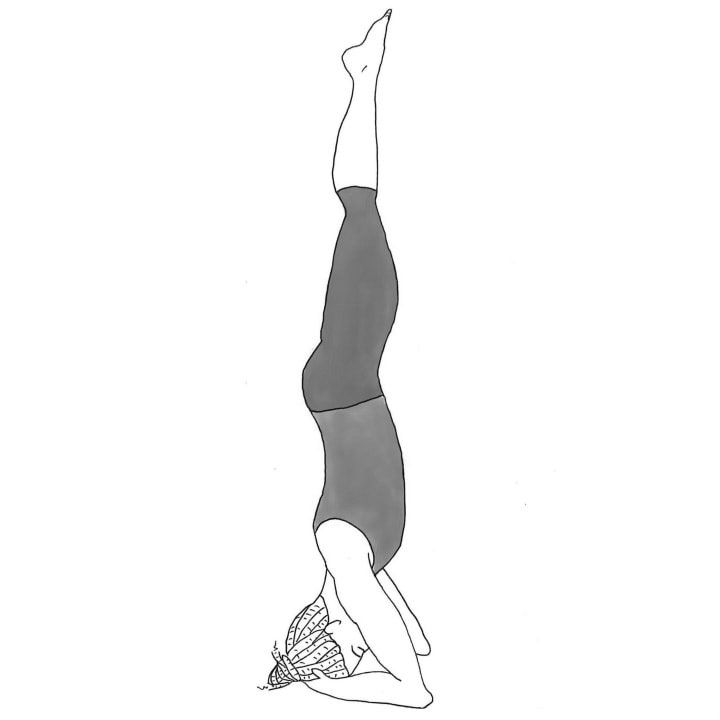
- Headstand (Sirsasana): This pose increases blood flow to the scalp, which can help nourish hair follicles.
Here are the steps to perform Sirsasana safely:
Begin by kneeling on the floor with your hands interlaced, elbows shoulder-width apart.
Place the crown of your head on the mat in front of your hands, keeping your forearms parallel to each other.
Walk your feet towards your head, keeping your knees bent.
Slowly lift your hips, straightening your legs as you go, until your entire body is in a straight line.
Engage your core muscles, and lift your feet off the ground.
Keep your gaze at a fixed point on the floor to maintain your balance.
Hold the pose for as long as you can, up to a minute or more.
To release the pose, lower your feet to the ground and slowly come out of the pose.
It's important to note that Sirsasana is an advanced pose that should only be attempted after proper preparation and guidance from a qualified yoga teacher. Additionally, it is not recommended for individuals with neck or back injuries or high blood pressure.
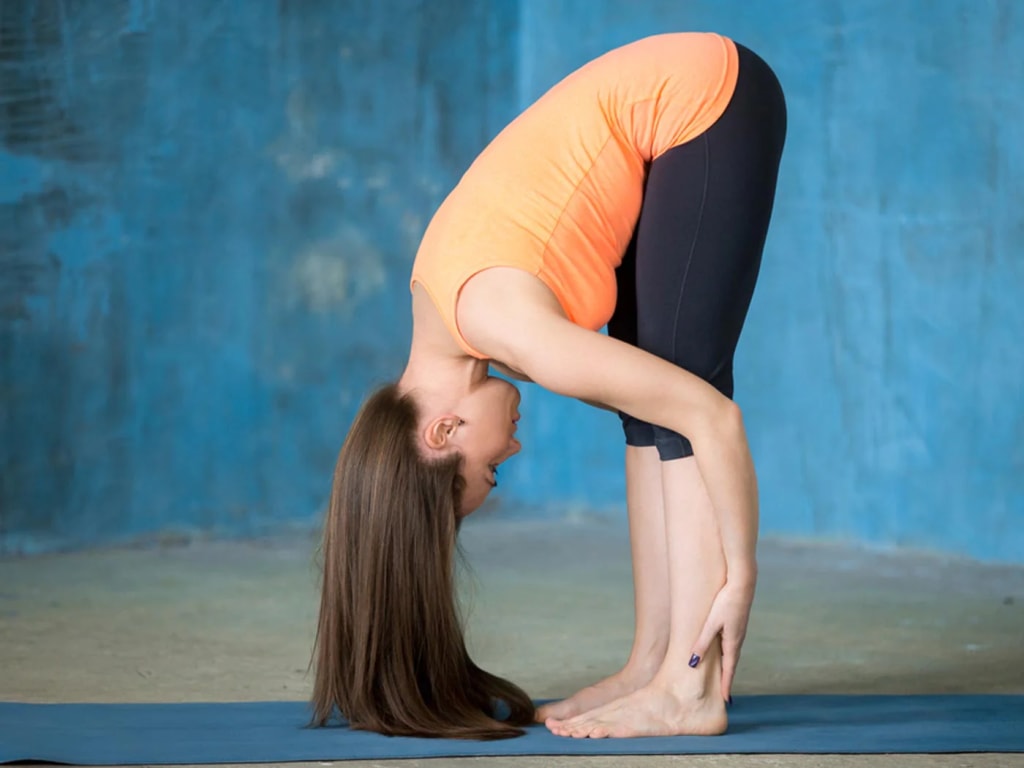
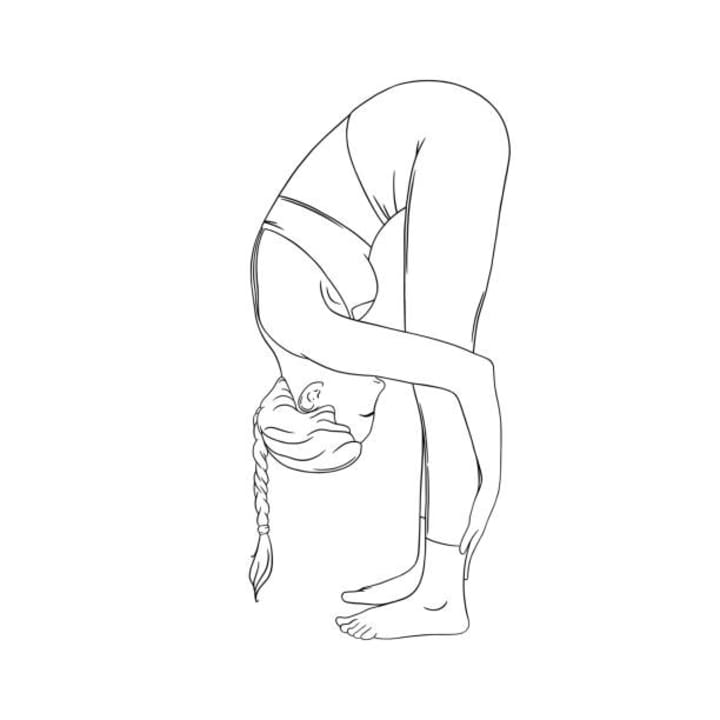
- Forward Bend (Uttanasana): This pose can help improve blood flow to the scalp and reduce stress, which can support healthy hair growth.
Begin standing with your feet hip-width apart and your arms at your sides.
Inhale and raise your arms overhead, reaching towards the sky.
Exhale and hinge forward at the hips, bringing your hands to the ground or resting them on your shins. If you have tight hamstrings, you can bend your knees slightly.
Relax your head and neck, allowing them to hang heavy towards the ground.
Take a few deep breaths and relax into the pose.
If you want to deepen the stretch, you can grab your elbows with your hands and sway gently from side to side.
To release the pose, inhale and slowly roll up, stacking one vertebra on top of the other, until you are standing upright with your arms at your sides.
It's important to avoid rounding your back when coming into the forward bend. Instead, focus on hinging from the hips and keeping your spine long. If you have any lower back injuries, it's best to perform the pose with the guidance of a qualified yoga teacher.
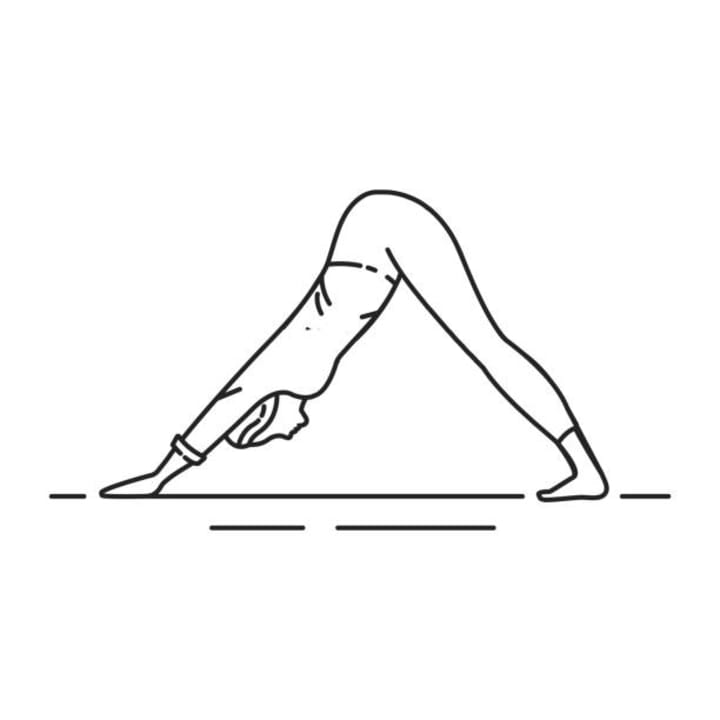
- Downward-Facing Dog (Adho Mukha Svanasana): This pose can help reduce stress and tension, which can support healthy hair growth.
Here are the steps to perform the pose safely:
Begin on your hands and knees in a tabletop position, with your wrists directly under your shoulders and your knees under your hips.
Spread your fingers wide and press down through your palms and knuckles, as if you're trying to grip the floor.
Tuck your toes under and lift your knees off the ground, straightening your legs and pressing your hips towards the sky.
Lengthen your spine by reaching your tailbone towards the ceiling and pressing your heels towards the ground. Your body should form an inverted V-shape.
Keep your head and neck relaxed, allowing them to hang heavy between your arms.
Take a few deep breaths in this pose, focusing on lengthening your spine and releasing any tension in your body.
To release the pose, slowly lower your knees back down to the ground.
It's important to avoid locking your elbows in this pose and to keep a slight bend in your knees if you have tight hamstrings. Additionally, if you have wrist or shoulder injuries, it's best to perform the pose with the guidance of a qualified yoga teacher.
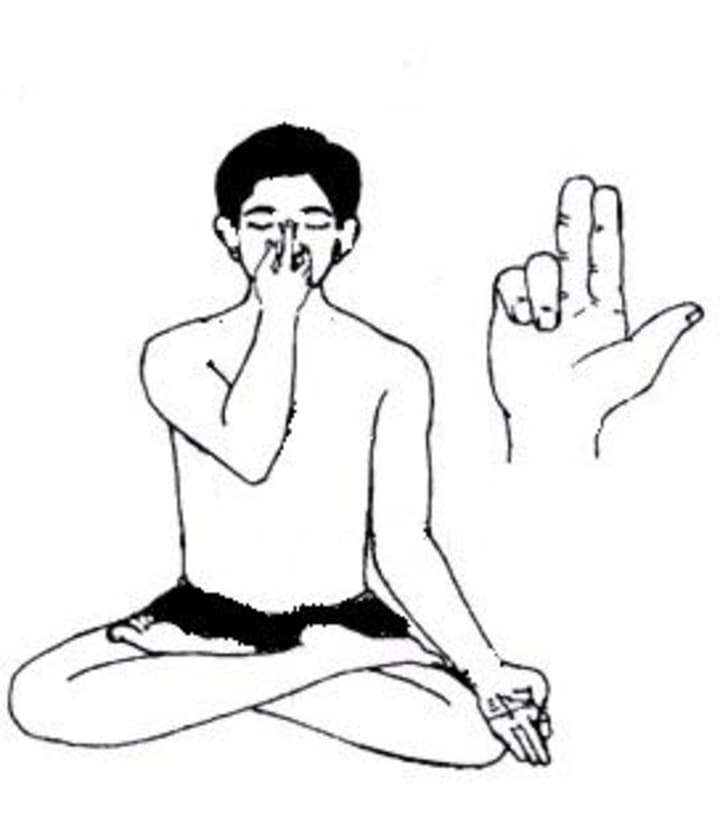
- Breathing exercises: Deep breathing exercises like Pranayama can help reduce stress, which is a common cause of hair loss.
Pranayama is the practice of controlling your breath to improve your physical, mental, and emotional well-being. Here are some steps to practice pranayama:
Find a comfortable seated position with your spine straight and your shoulders relaxed. You can sit cross-legged on the floor, or in a chair with your feet flat on the ground.
Take a few deep breaths, inhaling through your nose and exhaling through your mouth, to calm your mind and relax your body.
Begin by practicing simple breathing exercises, such as belly breathing or alternate nostril breathing, to help regulate your breath and increase awareness of your breath.
To practice belly breathing, place your hands on your abdomen and inhale deeply through your nose, feeling your belly expand. Exhale through your nose, feeling your belly contract.
To practice alternate nostril breathing, use your right hand to close your right nostril with your thumb, and inhale deeply through your left nostril. Close your left nostril with your ring finger, and exhale through your right nostril. Inhale through your right nostril, close it with your thumb, and exhale through your left nostril. This is one cycle. Repeat for several cycles.
You can also practice other breathing exercises, such as Kapalabhati (skull-shining breath) or Ujjayi (victorious breath), with the guidance of a qualified yoga teacher.
Always practice pranayama in a safe and comfortable manner, listening to your body and avoiding any strain or discomfort.
Pranayama can have numerous benefits, including reducing stress, improving lung function, and increasing mental clarity. Regular practice can help you develop a deeper connection to your breath and enhance your overall well-being.
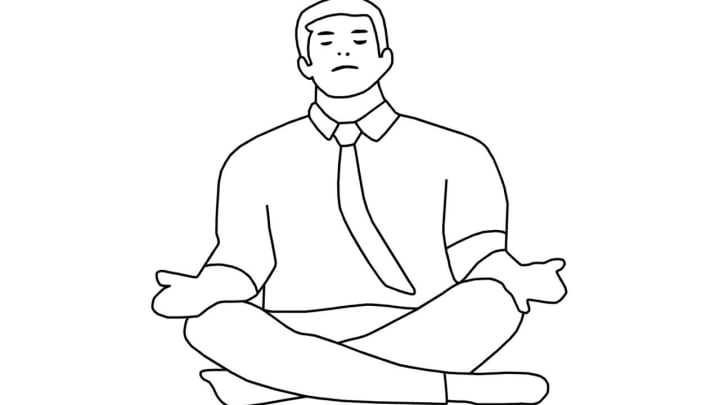
- Meditation: Regular meditation can help reduce stress, improve sleep, and promote relaxation, all of which can indirectly support healthy hair growth.
Here are some basic steps to get started with meditation:
Find a quiet and comfortable space where you can sit or lie down without being disturbed. You can sit on a cushion or a chair with your feet on the ground and your hands resting on your lap.
Set a timer for the desired length of your meditation session. Start with a shorter time (e.g., 5-10 minutes) and gradually increase the duration as you become more comfortable with the practice.
Close your eyes and take a few deep breaths to help relax your body and calm your mind.
Focus your attention on your breath. Observe the sensation of air moving in and out of your nostrils or the rise and fall of your belly.
When you notice your mind wandering, gently bring your focus back to your breath without judgment or frustration. You can also use a mantra or a visualization to help keep your attention focused.
Continue to observe your breath and maintain your focus for the duration of your session.
When your timer goes off, take a few more deep breaths and slowly open your eyes.
Remember, meditation is a practice that requires patience, consistency, and effort. Don't worry if your mind wanders during your practice; it's a natural part of the process. Over time, you'll find it easier to stay focused and reap the benefits of this powerful tool for stress reduction and overall well-being.
CLICK HERE FOR BEST YOGA MAT: https://amzn.to/3Zgo3fS
While practicing yoga, it is important to maintain a healthy diet, stay hydrated, and take good care of your hair and scalp. Remember, hair growth is a slow process, so it may take some time to see results.
About the Creator
Keep reading
More stories from Like a Ocean and writers in Education and other communities.
You want Glowing Skin
Having glowing skin is something that everyone wants, but it can be challenging to achieve. There are so many different products and techniques out there, and it can be tough to figure out what works best for your skin type. As a language model, I don't have skin, but I have gathered some tips and tricks that can help you achieve glowing skin. Here are some of my top secrets:
By Like a Ocean3 years ago in Blush
The Confidence Advantage: How Transparent Communication Builds Lasting Investor Trust
Investor relationships thrive on more than financial returns. While performance attracts attention, trust sustains commitment over time. In an environment shaped by rapid information flow and shifting market conditions, transparency has become one of the most powerful tools for building and maintaining investor confidence. When organizations communicate clearly and consistently, they strengthen relationships that endure well beyond short-term results.
By Michael Christopher Venturino2 days ago in Education
Golf Handicap Reduction Without a Swing Overhaul: Smarter Ways to Play Better Golf
Lowering your handicap does not always require technical changes or hours on the range; it requires rebuilding your swing. Many golfers overlook the fact that scoring improvement often comes from strategic thinking, mental discipline, and better preparation. By focusing on how you play rather than how you swing, you can unlock consistent progress and enjoy the game more. This article explores practical, on-course methods that help you shoot lower scores while keeping your swing exactly as it is.
By Ian Schenkel Haliburton2 days ago in Education


Comments
There are no comments for this story
Be the first to respond and start the conversation.