
Writing still make sense these days?
Writing is one of the oldest forms of communication that have been utilized by humans for millennia. Long before the advent of computers, Internet, smartphones, or any other digital medium, people relied on writing to convey their thoughts and ideas, preserve knowledge, and record history.


Writing is one of the oldest forms of communication that have been utilized by humans for millennia. Long before the advent of computers, Internet, smartphones, or any other digital medium, people relied on writing to convey their thoughts and ideas, preserve knowledge, and record history. However, with the rise of technology and the proliferation of digital media, some people are questioning whether writing still makes sense in today's world. Is writing still relevant, useful, and necessary when we have so many other communication options? In this essay, I will argue that yes, writing still makes sense these days, and it will continue to be a vital skill and form of expression for generations to come.
First and foremost, writing is not just a means of communication, but it is also an art form. Writing allows individuals to express their creativity, imagination, and emotions in a way that no other medium can provide. Whether it's through poetry, fiction, or non-fiction, writing can be used to evoke emotions, convey ideas, and create vivid images in the reader's mind. In fact, many people still enjoy reading books, newspapers, and other forms of written work for their entertainment value.
Moreover, writing is still relevant in educational and academic settings. Schools and universities continue to place a strong emphasis on writing skills, as it is an essential tool for effective communication, critical thinking, and analytical reasoning. Students who can write well are more likely to excel in their academic pursuits, as well as in their future careers. From simple essays to complex research papers, writing is a fundamental part of academic learning, and it will continue to be so in the future.
Writing also remains a crucial form of documentation, archiving, and record-keeping. Writing allows us to preserve and document information that may otherwise be lost or forgotten. With the increasing use of computers and digital devices, many people are starting to worry about the possibility of data loss or corruption. However, writing is still a reliable and secure way to store and preserve important information for future generations. For example, written documents such as the Constitution, the Declaration of Independence, and historical letters provide us with a record of our nation's history and culture.
In addition, writing is an essential tool for many professions and industries. From journalism to marketing to law, many careers require strong writing skills. Professionals who can write well are more likely to be successful in their fields, as they can effectively communicate with their colleagues, clients, and customers. Moreover, writing is often the primary way that businesses and organizations communicate with their audience and stakeholders, whether it's through email, social media, or traditional marketing channels.
Writing is also critical for self-expression and personal development. Whether it's through journaling or creative writing, writing allows individuals to reflect on their experiences, express their feelings, and explore their identity. Writing can be a form of therapy, allowing people to process their emotions and work through difficult situations in a safe and private space. Moreover, writing can be a powerful tool for personal growth and self-improvement, as individuals can use writing to set goals, track their progress, and hold themselves accountable.
Furthermore, writing still has a significant impact on the political and social landscapes of our society. From op-eds to speeches to social media posts, writing is used to influence public opinion, sway political opinions, and raise awareness about important issues. Even in a digital age, written works can still go viral and have a lasting impact on society. For instance, blogs, online articles, and social media posts have been instrumental in shaping public discourse and advancing social justice causes.
Additionally, writing is necessary for effective communication in many settings. While verbal communication is still essential, writing offers a level of clarity and precision that is often lacking in spoken communication. For example, writing allows us to communicate complex ideas and technical information with greater accuracy and detail. Moreover, writing enables us to communicate with people who speak different languages or are geographically distant from us.
Moreover, writing is still a crucial component of our personal and professional lives. From writing emails to drafting reports to crafting resumes, writing is an essential skill that we use daily. In fact, the rise of remote work and telecommuting has made writing more important than ever, as we rely on written communication to stay connected and productive with our colleagues and clients.
Finally, writing is a timeless form of communication that has endured throughout human history. While technology and communication mediums may change, the need for effective writing will always remain. Writing is an essential component of our society and, as such, it is a skill that should be honed and practiced regularly. It allows us to express ourselves, share our knowledge, and communicate effectively with others.
In conclusion, writing is still important in today's world, and it will continue to be vital in the future. From personal expression to professional communication, writing is essential for effective communication and critical thinking. It is an art form that allows us to express ourselves, an educational tool that prepares us for future success, and a means of preserving our history and culture. Writing may have evolved with technology, but its importance in our daily lives remains unchanged. As Albert Einstein once said, "If you want to understand something, try to write it down." Writing helps us to understand the world around us, and it will always be an essential tool for human communication and progress.
About the Creator
Michael Lincoln
Originally from the Netherlands but raised in the UK. As an individual, I find myself drawn to a wide variety of interests, including books, hi-tech gadgets, and entertainment - particularly comics.
Keep reading
More stories from Michael Lincoln and writers in Education and other communities.
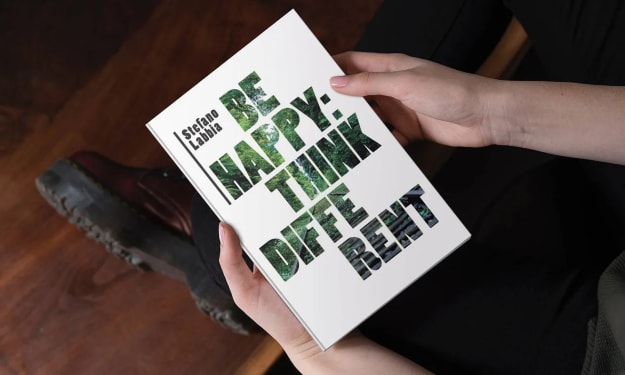
Why read "Be happy: think different" has improved my life
In today's society, happiness has been equated with wealth and success. People believe that the accumulation of material possessions and the achievement of specific goals will make them happy. However, the reality is that happiness is an elusive concept that is dependent on our thoughts, attitudes, and behaviors. It requires a different approach that fosters inner peace, joy, and contentment. In his book "Be happy: think different," Stefano Labbia emphasizes the power of positive thinking, acceptance, gratitude, and the importance of surrounding oneself with positive people. This article delves into how reading the book has improved my life and how it can help others achieve the same results.
By Michael Lincoln3 years ago in Education
Preparing Health Systems to Perform Under High-Stakes Crisis Conditions
High-stakes crises have become an increasingly common challenge for health systems worldwide. Whether dealing with infectious disease outbreaks, natural disasters, mass casualty incidents, or cybersecurity breaches, healthcare organizations must be ready to respond rapidly and effectively. Preparation is essential not only to ensure patient safety but also to maintain operational stability during times of extreme pressure. Health systems that invest in proactive planning, strong leadership, and resilient infrastructure are better equipped to manage crises without compromising care quality. Preparing for high-stakes situations requires a comprehensive approach that focuses on readiness, coordination, and continuous learning.
By Craig Kentabout 13 hours ago in Education
Smart phones, Humans and Aliens.
WARNING. I will be tapping into one of your favorite creative tensions: The absurdity of humans worshipping their glowing rectangles as if they were tiny oracles. There’s something deliciously poetic about that contradiction, and it lends itself beautifully to an instructive proviso.
By Novel Allen5 days ago in Poets


Comments
There are no comments for this story
Be the first to respond and start the conversation.