
World Forest Day
World Forest Day: Celebrating the Importance of Forests

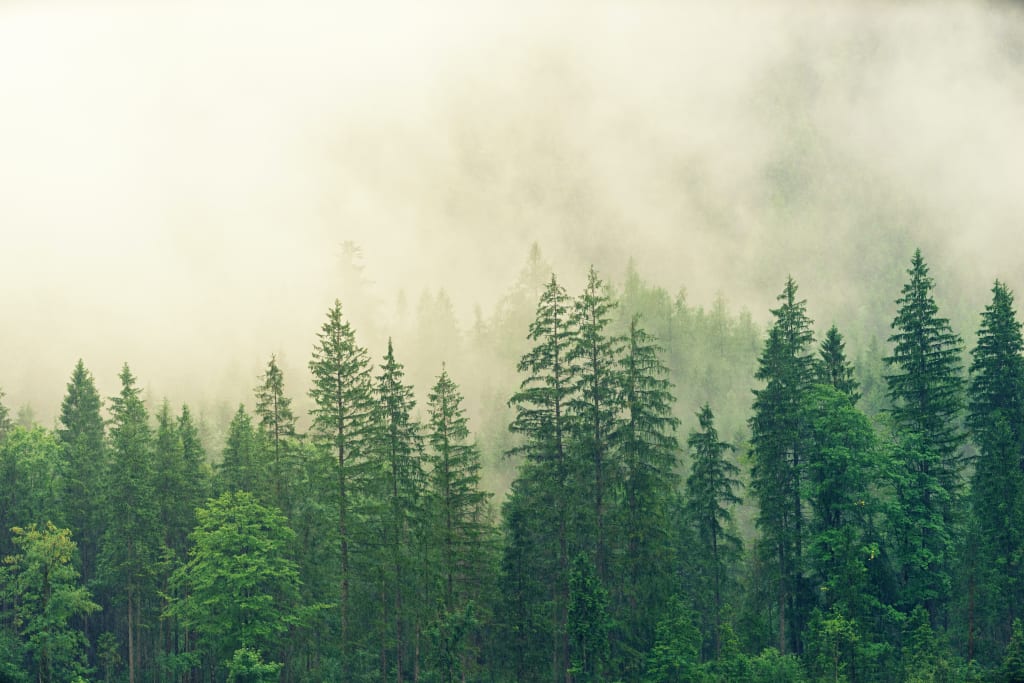
World Forest Day: Celebrating the Importance of Forests
Forests play a crucial role in sustaining life on Earth, providing habitats for a vast array of species, regulating the global climate, and supplying essential resources such as timber, fuelwood, and medicine.
However, the world's forests are under threat from various human activities, including deforestation, land-use change, and forest degradation.
To raise awareness of the importance of forests and promote their sustainable management, World Forest Day is celebrated on March 21st every year.
History of World Forest Day
The idea of commemorating World Forest Day can be traced back to 1971 when the Food and Agriculture Organization (FAO) of the United Nations proposed the concept at the 16th Conference of the FAO in Rome.
The organization recognized the need for international cooperation to address the pressing issues of deforestation and forest degradation, and proposed that a day be dedicated to promoting forest conservation and management worldwide.
The first World Forest Day was celebrated on March 21, 1972, to coincide with the vernal equinox in the Northern Hemisphere and the autumnal equinox in the Southern Hemisphere.
Since then, the day has been marked annually with a variety of activities and events aimed at raising awareness of the importance of forests and promoting their sustainable use.
Importance of Forests
Forests are vital for the well-being of both human societies and the planet as a whole. They provide a wide range of benefits, including:
Climate regulation: Forests play a critical role in regulating the global climate by absorbing and storing carbon dioxide, one of the main greenhouse gases responsible for climate change. Trees also release oxygen through the process of photosynthesis, which is essential for human and animal respiration.
Biodiversity conservation: Forests are home to a vast array of plant and animal species, many of which are endemic to particular regions. They provide habitat and food for wildlife, and are essential for maintaining the ecological balance of ecosystems.
Water conservation: Forests help regulate the water cycle by absorbing rainfall and releasing it slowly into rivers and streams, reducing the risk of floods and droughts. They also help to filter and purify water, making it safe for human consumption.
Soil conservation: Forests play a crucial role in maintaining soil fertility and preventing erosion, as their roots hold the soil in place and prevent it from being washed away by rainwater or blown away by wind.
Sustainable resource management: Forests are a source of timber, fuelwood, and other forest products that are essential for human societies. However, their resources must be managed sustainably to ensure their continued availability for future generations.
Challenges facing the world's forests
Despite their importance, the world's forests are under threat from a range of human activities. Deforestation, which is the permanent conversion of forested land to other land uses such as agriculture, urbanization, or mining, is one of the most significant drivers of forest loss worldwide. According to the FAO, the world's forests have decreased by around 420 million hectares since 1990, equivalent to a 10% reduction in forest area.
Deforestation and forest degradation have significant impacts on climate change, biodiversity loss, water scarcity, and soil erosion. They also have negative social and economic consequences for local communities that depend on forests for their livelihoods and cultural identity.
Other threats facing the world's forests include:
Forest fires: Forest fires can cause significant damage to forests and release large amounts of carbon dioxide into the atmosphere.
Illegal logging: Illegal logging contributes to deforestation and forest degradation, as well as undermining the sustainability of the forest sector.
Climate change: Climate change is affecting forests by altering temperature and rainfall patterns, increasing the frequency and intensity of extreme weather.
As we celebrate World Forest Day, let us reflect on the vital role that forests play in sustaining life on Earth.
We must acknowledge the threats facing the world's forests and work together to ensure their sustainable management and conservation.
By taking action to protect and restore our forests, we can mitigate the impacts of climate change, preserve biodiversity, and support the livelihoods of local communities.
Let us appreciate the beauty and significance of forests and commit to safeguarding them for future generations to come.
Together, we can make a positive impact on the world's forests and the planet as a whole.
About the Creator
How Global Experiences Shape Smarter, More Creative Leaders
Leadership today demands more than experience and technical skill. It requires imagination, empathy, and the ability to see problems from new angles. One of the most potent ways leaders develop these qualities is through travel. When leaders step outside familiar routines, they gain insight that books and meetings cannot offer. Exposure to new cultures, environments, and ways of thinking shows clearly how creative leadership through travel can unlock ideas that change how leaders think, decide, and inspire others.
By Nathalie Kyriakou5 days ago in Education
Can You Really Earn Money With Transcription? The Real Income Reality
The short answer is yes—you can earn money with transcription. But the more honest, useful answer is this: transcription only becomes worthwhile when you understand how the income actually works, not how it’s often presented online.
By Mahesh Kumar6 days ago in Education



Comments
There are no comments for this story
Be the first to respond and start the conversation.