
World consumers rights day
World Consumer Rights Day is celebrated annually on March 15th to promote awareness about consumer rights

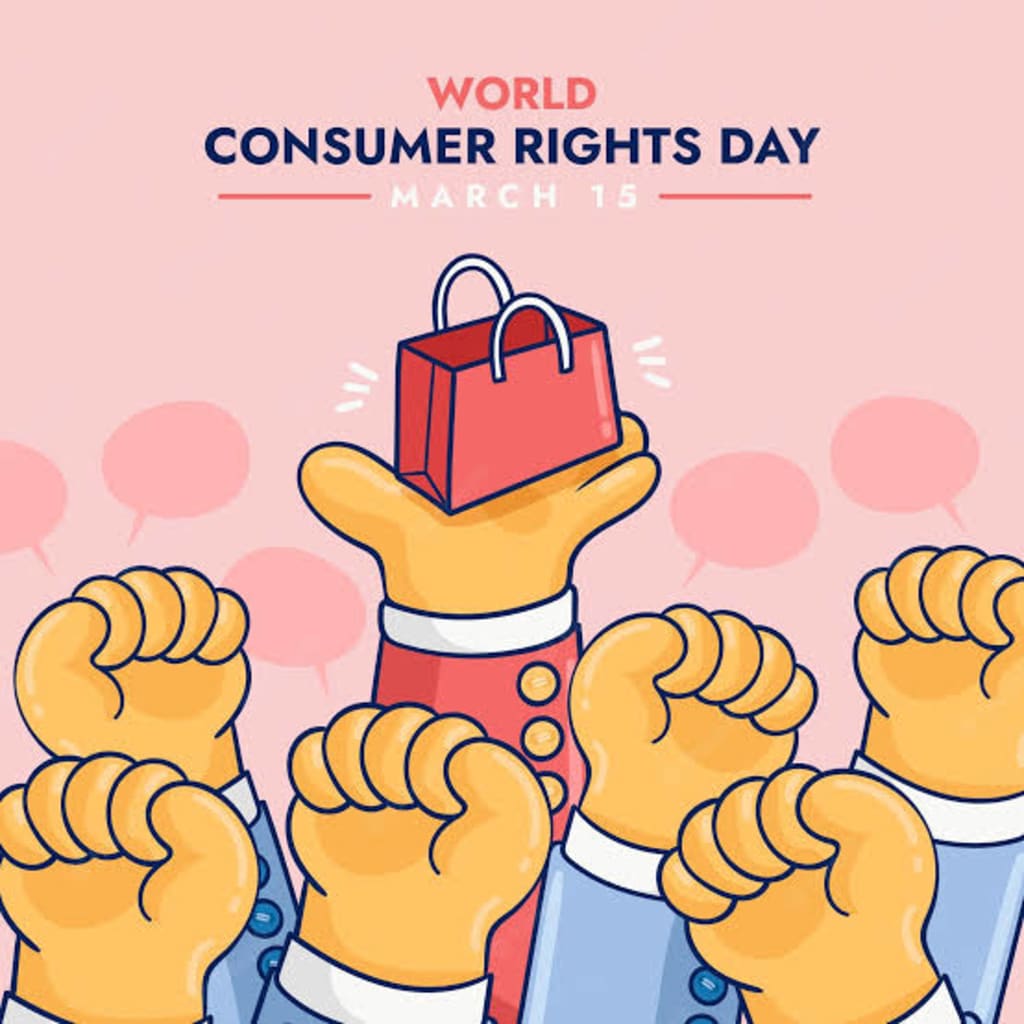
World Consumer Rights Day is celebrated annually on March 15th to promote awareness about consumer rights and advocate for better protection and empowerment of consumers worldwide. The theme for 2023 is “Consumer Protection in the Digital Age”.
The digital age has brought about significant changes in consumer behavior and purchasing patterns, with more consumers opting for online shopping and other digital transactions. However, this has also created new challenges in terms of protecting consumer rights, such as data privacy, cybersecurity, and fraudulent activities.
On this day, various organis, governments, and consumer advocates come together to raise awareness about consumer rights and urge companies to improve their practices to better protect consumers. Activities and events may include conferences, seminars, webinars, campaigns, and other initiatives aimed at educating consumers on their rights and promoting responsible business practices.
Overall, World Consumer Rights Day serves as a reminder that consumers have the right to safe, fair, and equitable treatment in the marketplace, and that we all have a role to play in ensuring these rights are upheld.
History: Consumer Rights Day was first observed on March 15, 1983, to mark the signing of the United Nations Guidelines for Consumer Protection.
Importance of consumer rights: Consumer rights are essential to ensure that consumers are treated fairly and protected from fraudulent, deceptive, and unfair business practices. These rights include the right to safety, the right to information, the right to choose, the right to be heard, and the right to redress.
Consumer protection laws: Most countries have laws and regulations in place to protect consumers' rights. These laws aim to ensure that businesses provide safe and quality products, truthful and transparent information, and fair pricing and sales practices.
Consumer activism: Consumer Rights Day also encourages consumers to be aware of their rights and to stand up for them. Consumer activism involves individuals and groups taking action to raise awareness of consumer issues and to push for change in business practices or government policies.
Digital consumer rights: With the growth of e-commerce and online shopping, there is an increasing need for digital consumer rights. These rights include the right to privacy, the right to data protection, and the right to access information online.
Celebrations: Consumer organizations and government agencies around the world organize various events and activities to celebrate Consumer Rights Day. These include seminars, workshops, rallies, and public campaigns to raise awareness of consumer rights and issues.
Overall, Consumer Rights Day is an important occasion to remind individuals and businesses of their responsibilities and rights in the marketplace. It also serves as a call to action for consumers to become more informed, empowered, and active in protecting their rights.
The following are some of the most common consumer rights:
Right to safety: Consumers have the right to purchase products and services that are safe to use and do not pose any harm or danger to their health.
Right to information: Consumers have the right to receive accurate and complete information about the products and services they are purchasing, including the ingredients, price, and any potential risks or side effects.
Right to choose: Consumers have the right to choose from a variety of products and services, and they should not be forced to purchase a particular product or service.
Right to be heard: Consumers have the right to voice their complaints or concerns about a product or service, and they should be given a fair and timely response.
Right to redress: Consumers have the right to seek compensation or a refund if a product or service is faulty or does not meet their expectations.
Right to education: Consumers have the right to be educated about their rights and responsibilities as consumers, and they should be provided with information about how to make informed purchasing decisions.
These rights are protected by various laws and regulations in many countries around the world, including consumer protection laws, product safety standards, and fair trading practices.
About the Creator
Leading Beyond Limits: The Role of Executive Leadership in Achieving Organizational Excellence
In today’s dynamic and competitive business landscape, organizations are constantly pursuing not just growth but excellence. While growth reflects success in the marketplace, true organizational excellence is measured by sustainability, innovation, culture, and impact. At the core of this transformation is executive leadership—a force that guides businesses beyond short-term wins toward long-term significance.
By Yeasha Sobhan5 days ago in Education
A Dart at Dusk
Seconds ago, the sullen sun set on the two of us… my exuberant furry companion and me. A fresh breeze embraces us, delivering welcome relief from the day’s oppressive heat. His typical stumbling and staggering along — apace with a sloth — has turned into trip-trapping, high-stepping, almost skipping along.
By Angie the Archivist 📚🪶4 days ago in Petlife




Comments
There are no comments for this story
Be the first to respond and start the conversation.