
Wobble, Jump, Run! How Nursery Activities Build Strong Bodies
Gross Motor Skill Development

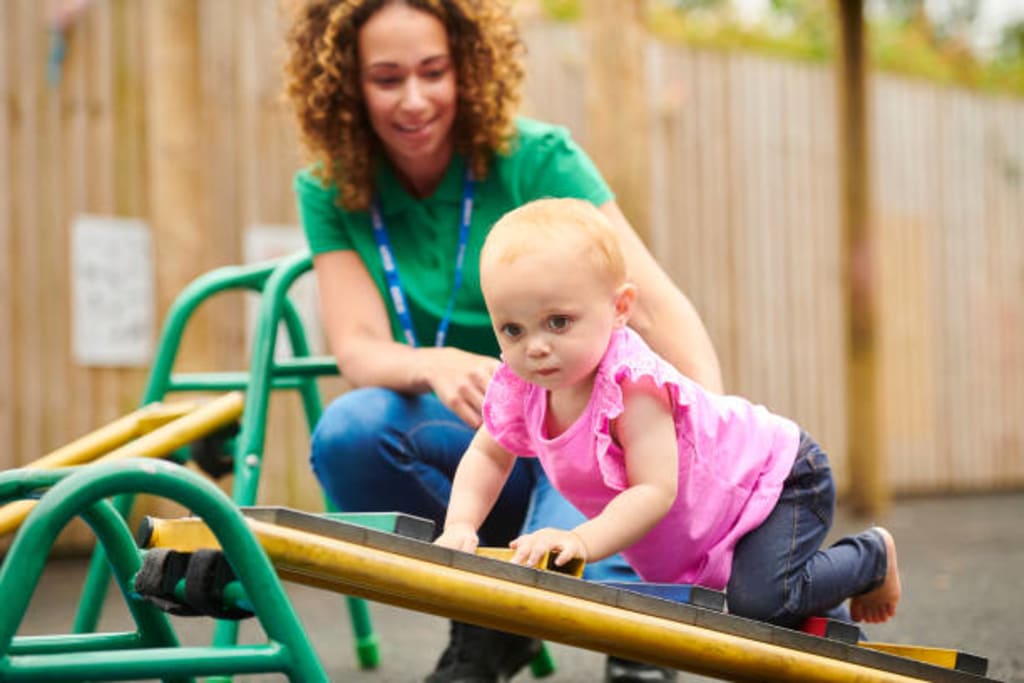
In a world increasingly dominated by screens and structured schedules, the freedom to move, tumble, and play has never been more important—especially for our youngest learners.
In nursery settings, physical activity isn’t just a break from learning; it is learning. From wobbly walks on balance beams to energetic games of tag, nursery activities play a vital role in building the strong, healthy bodies children need for lifelong development.
Why Physical Play Matters in Early Childhood
Physical development is one of the foundational domains in early childhood education. Before children can hold a pencil or sit still for story time, they need to build strength, balance, and coordination.
This development happens most naturally through movement-based activities—running in the garden, climbing on soft play equipment, or balancing on a beam.
At this age, structured physical education is less about formal exercise and more about exploration. Children learn to control their bodies by experimenting with movement.
These experiences develop gross motor skills (like jumping, running, and crawling) and fine motor skills (like grasping, squeezing, and threading)—both essential for academic and everyday tasks.
The Role of Nursery Activities in Building Healthy Habits
Incorporating physical activity throughout the day helps children associate movement with fun and confidence. Regular exercise in the nursery builds endurance, strengthens muscles and bones, and supports cardiovascular health—all while helping children regulate energy levels and emotions.
For example, morning dance routines get the heart pumping and boost mood, while calming yoga stretches after lunch can help reset focus. These aren’t just fun breaks—they’re essential tools that support concentration, behaviour, and resilience in the classroom.
Just as a Derby secondary school prepares older students for academic success through PE and sports, nurseries set the stage early by instilling a love of movement and a strong physical foundation.
Developing Confidence Through Risk and Challenge
A well-designed nursery programme allows children to take age-appropriate physical risks in a safe environment. Whether it’s learning to jump from a low platform or climbing up a soft structure, these moments build courage and body awareness.
When children fall and try again, they’re not only developing physical strength—they’re also building emotional resilience. They learn to assess risk, overcome fear, and celebrate small victories. These lessons have far-reaching effects, influencing how children face challenges in all areas of life.
Supporting Social and Emotional Growth Through Movement
Physical play isn’t just about muscles—it’s also about minds. Group games and cooperative physical activities help children develop social skills like sharing, taking turns, and encouraging others.
Movement provides an outlet for emotions and reduces stress, allowing children to express themselves nonverbally and learn emotional regulation.
This balance between body and mind becomes even more important as children move into structured schooling. At the sixth forms derby offers, students are expected to manage their time, focus for longer periods, and balance mental well-being—all habits that are nurtured through early physical experiences.
Designing Movement-Rich Nursery Environments
Effective nursery environments invite movement. This might include outdoor gardens with space for free play, climbing equipment, obstacle courses, or even simple indoor setups with tunnels and balance pads. Teachers intentionally guide activities to promote whole-body engagement while giving children the freedom to explore at their own pace.
Importantly, physical development is woven through every part of the nursery day—not confined to a single PE session. Whether it’s using tweezers in a sensory bin or pouring water from one cup to another, movement is always part of the learning journey.
Conclusion: A Head Start for Healthy Futures
In the nursery years, movement is magic. It's how children build strong bodies, resilient minds, and joyful spirits. By creating a daily rhythm that includes physical activity, nursery schools provide children with the tools they need to thrive—not just now, but for the rest of their lives.
Through wobbles, jumps, and runs, children are laying the groundwork for everything that follows. And that’s worth celebrating with every step, hop, and leap forward.
About the Creator
William Henry
At Best Independent Schools UK, we are here to make your journey smoother by providing detailed information about some of the best nurseries and preparatory schools in England
Keep reading
More stories from William Henry and writers in Education and other communities.
Keep Calm and Carry On: Practical Wellbeing Strategies for Sixth Form Success
The sixth form years are among the most transformative and intense in a student’s educational journey. With academic demands mounting and university or career decisions looming, it’s no surprise that many students experience heightened stress and anxiety during this time.
By William Henry8 months ago in Education
Are You Planning College the Smart Way?
When students and parents start thinking about college, the first number that usually comes to mind is tuition. But have you ever wondered if tuition is actually the biggest expense of higher education? Surprisingly, the total cost of attending college often goes far beyond just tuition fees.
By Michael Petruska5 days ago in Education
How Fleet Management Technology Is Transforming the Rental Industry
The rental industry has experienced a major transformation in recent years, driven largely by advancements in fleet management technology. Businesses that manage vehicles, equipment, or other rentable assets are increasingly turning to digital solutions to streamline operations, reduce costs, and improve customer experience. What once required manual tracking, paperwork, and constant supervision can now be handled efficiently through intelligent software platforms.
By Ava Bennettabout 16 hours ago in Education
Becca
"Everything is so... flat." Denille said stupidly as she looked around her new neighborhood. She looked around at the muted desert where even the smallest sign of life seemed to have given up. The plant life was shrubs that were half cooked by the heat and where there should have been a lawn, a mess of white rocks laid glistening in the sun. Even the sky looked stretched thin, like the sun had ironed it smooth. She’d moved from Riverside, where at least there were hills, but here in Barstow, everything felt baked and brittle.
By Sara Wilson7 days ago in Fiction




Comments
There are no comments for this story
Be the first to respond and start the conversation.