
William Shakespeare: The Life and Legacy of the Greatest Playwright
the face of romeo and juliet
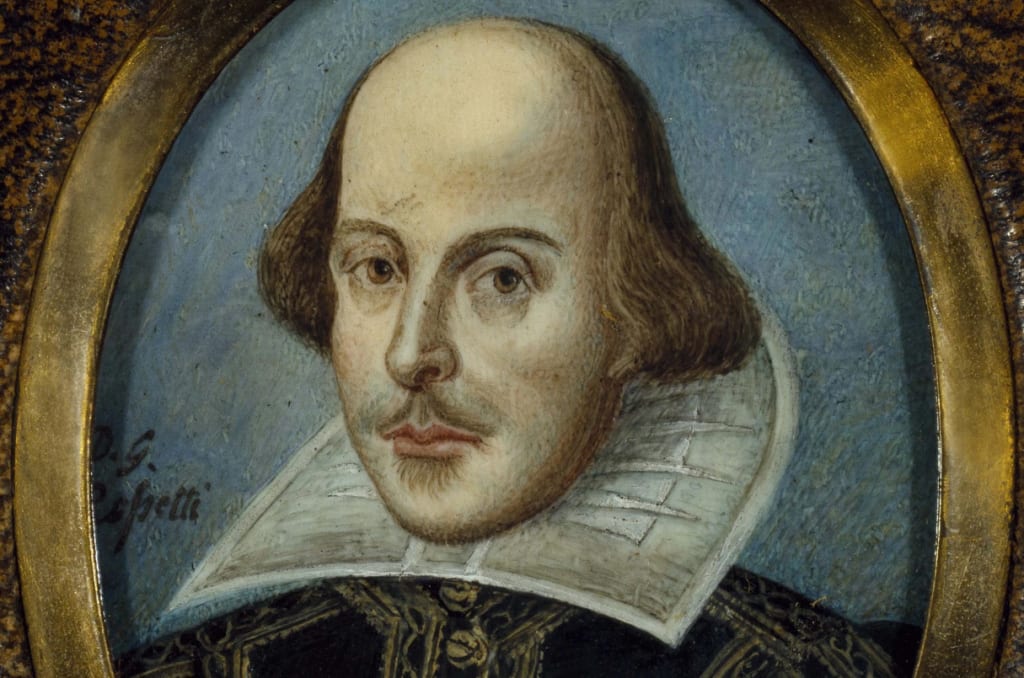
Early Life and Background (1564–1585)
William Shakespeare was born in Stratford-upon-Avon, England, in April 1564. Though his exact birthdate is unknown, he was baptized on April 26, and tradition places his birth on April 23, which also happens to be the date of his death years later.
Shakespeare was the third of eight children in the household of John Shakespeare and Mary Arden. His father was a glove-maker and a respected town official, while his mother came from a wealthy farming family.
Shakespeare likely attended King’s New School in Stratford, where he studied Latin, literature, and classical texts. Although he had a solid education, he never attended university, setting him apart from many of his contemporary playwrights.
In 1582, at just 18 years old, Shakespeare married Anne Hathaway, who was 26 and already pregnant. Their first daughter, Susanna, was born in 1583, followed by twins Hamnet and Judith in 1585. Tragically, Hamnet died at age 11, an event that some scholars believe influenced Shakespeare’s later tragedies.
After the birth of his children, Shakespeare disappears from historical records for several years—a period known as the “Lost Years” (1585–1592). Scholars speculate he may have worked as a schoolteacher, a law clerk, or even traveled abroad, possibly to Italy.
Arrival in London and Early Career (1592–1599)
By 1592, Shakespeare was in London, establishing himself as an actor and playwright. That year, playwright Robert Greene wrote a scathing pamphlet referring to Shakespeare as an “upstart crow,” mocking his rise despite lacking a university education.
However, Shakespeare quickly proved his talent. By 1594, he was a founding member of The Lord Chamberlain’s Men, a company of actors that performed for Queen Elizabeth I. His early plays, mostly histories and comedies, included:
Henry VI (1590–1592) – A trilogy about England’s civil wars.
Titus Andronicus (1591–1592) – A violent revenge tragedy.
Romeo and Juliet (1595–1596) – One of the most famous love stories of all time.
By 1599, Shakespeare had become part-owner of The Globe Theatre, which gave him financial stability beyond just writing plays.
The Peak of His Career (1600–1610)
Between 1600 and 1610, Shakespeare wrote many of his greatest works, producing tragedies, comedies, and histories that would define English literature.
Famous Tragedies
During this period, Shakespeare wrote some of his most famous tragedies, including:
Hamlet (1600–1601) – A psychological drama about revenge, madness, and fate.
Othello (1603–1604) – A story of jealousy and betrayal, centered around the Moorish general Othello.
King Lear (1605–1606) – A heartbreaking tragedy about power, family, and madness.
Macbeth (1606) – A dark, supernatural-infused drama about ambition and murder.
These plays explored deep human emotions, power struggles, and moral dilemmas, making them timeless and widely studied today.
Comedies and Later Works
Despite his focus on tragedy, Shakespeare also wrote comedies and romantic plays during this time, including:
Twelfth Night (1601–1602) – A comedy of mistaken identities.
Measure for Measure (1604) – A play blending comedy and drama, exploring justice and morality.
The Tempest (1610–1611) – One of his final solo plays, exploring magic, betrayal, and redemption.
The King’s Men and Later Years (1603–1616)
In 1603, Queen Elizabeth I died, and King James I took the throne. Shakespeare’s acting company became The King’s Men, receiving royal patronage.
As he grew older, Shakespeare began writing fewer plays, focusing instead on his family and business ventures. His later works, such as Cymbeline (1610), The Winter’s Tale (1611), and The Tempest (1611), were more experimental, blending tragedy, comedy, and fantasy.
By 1610, Shakespeare retired to Stratford-upon-Avon, though he still visited London occasionally. His final plays, such as The Two Noble Kinsmen (1613), were co-written with younger playwrights.
Death and Burial (1616)
On April 23, 1616, William Shakespeare died at the age of 52. The exact cause of his death remains unknown, but some records suggest he had been ill for some time.
He was buried at Holy Trinity Church in Stratford, with an epitaph warning against moving his bones:
“Blest be the man that spares these stones, / And cursed be he that moves my bones.”
He left most of his estate to his daughter Susanna, and famously, he left his wife “the second-best bed”, which has sparked speculation about their relationship.
Shakespeare’s Legacy
Even during his lifetime, Shakespeare was famous, but his true impact grew after his death. In 1623, his fellow actors John Heminges and Henry Condell compiled The First Folio, a collection of 36 of his plays. Without it, many of his works might have been lost forever.
Influence on Language
Shakespeare had a profound effect on the English language, inventing over 1,700 words and phrases that are still in use today, such as:
"Assassination"
"Lonely"
"Eyeball"
"Break the ice"
"Wild-goose chase"
His use of poetic devices, deep characters, and psychological insight changed the way stories were written and performed.
Modern Popularity
Shakespeare’s plays are still performed worldwide, adapted into films, operas, novels, and even modern retellings like:
West Side Story (Romeo and Juliet)
The Lion King (Hamlet)
10 Things I Hate About You (The Taming of the Shrew)
Today, he remains the most widely studied and influential playwright in history.
Conclusion
William Shakespeare’s genius lay in his ability to capture human nature, love, ambition, power, and tragedy in ways that still feel relevant today. His works have transcended time, shaping the English language and storytelling for centuries.
Though he lived over 400 years ago, his influence is still felt in literature, theater, and popular culture. As long as people tell stories, Shakespeare’s words will live on—proving that all the world truly is a stage
About the Creator
Keep reading
More stories from Grace angel and writers in Education and other communities.
The Clockmaker’s Secret
London, 1762 In a cramped shop along Fleet Street, the rhythmic ticking of a dozen clocks filled the air like a chorus of whispers. Among them, hunched over his workbench, sat Edwin Harrow, a master of time. His fingers—calloused from years of delicate craftsmanship—adjusted the tiny gears of a pocket watch, lost in the precision of his trade.
By Grace angel12 months ago in Chapters
The Lean Advantage: How Small Improvements Create Massive Business Wins
In today’s fast-moving market, businesses don’t always need massive overhauls to see major growth. The real competitive advantage often comes from Lean process improvement—small, consistent changes that reduce waste, improve speed, and strengthen customer value. With a proactive approach, companies can spot inefficiencies early, prevent recurring problems, and build smarter systems before minor issues become costly setbacks.
By Duke Valentour5 days ago in Education




Comments
There are no comments for this story
Be the first to respond and start the conversation.