
Will Weight Loss Lower A1C? The Connection Between Weight and Blood Sugar
"Discover how shedding extra pounds can improve insulin sensitivity, reduce blood sugar levels, and lower your A1C for better diabetes management."

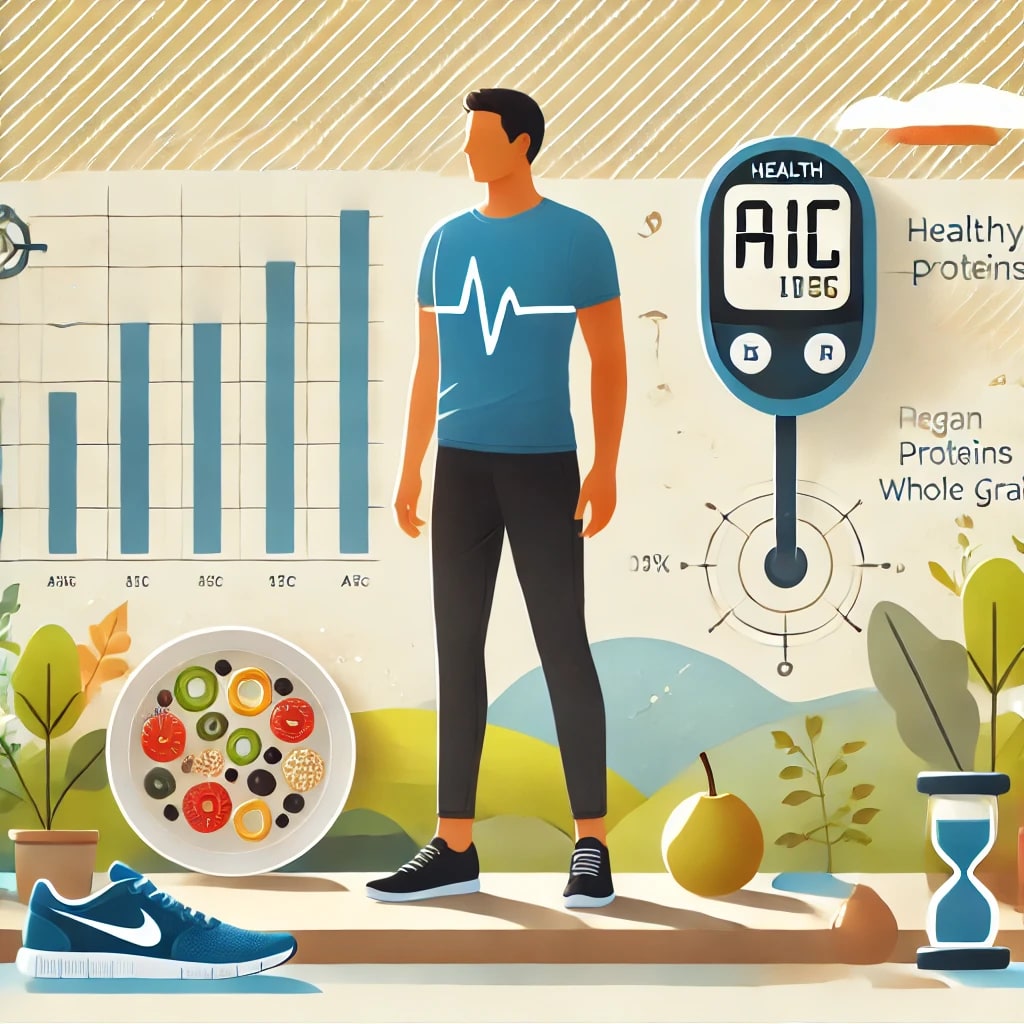
Managing Type 2 diabetes and improving blood sugar levels can feel overwhelming, but there’s one powerful and proven way to help: losing weight. For many, weight loss doesn’t just bring physical and emotional benefits, but it can also significantly lower A1C levels, a key marker in managing diabetes.
The connection between weight loss and lowering A1C is well-established in the medical field, and the changes can often be profound. But how exactly does weight impact A1C, and how can you use this to your advantage if you're aiming to better control your diabetes?
What is A1C?
Before diving into how weight loss can help lower A1C, it’s important to understand what A1C actually is. Hemoglobin A1C (HbA1c) is a blood test that measures the average blood sugar (glucose) levels over the past two to three months. For someone without diabetes, A1C levels are generally below 5.7%. For individuals with diabetes, the goal is to maintain an A1C level below 7% to avoid complications.
How Does Weight Affect A1C?
One of the main reasons weight is so closely linked to A1C is due to insulin resistance. Insulin is a hormone that helps regulate blood sugar, and when the body becomes resistant to insulin, it can’t use the hormone as effectively, leading to higher blood sugar levels. This condition is more common in people who are overweight or obese.
Fat, particularly visceral fat (fat that surrounds the organs), plays a significant role in insulin resistance. The more visceral fat you carry, the more likely your body is to have trouble processing blood sugar efficiently. Therefore, when you lose weight, especially visceral fat, your body often becomes more sensitive to insulin, improving how it uses glucose. This, in turn, helps to lower A1C levels.
Weight Loss Can Lower A1C by Improving Insulin Sensitivity
Studies show that even modest weight loss—about 5-10% of your body weight—can have a significant impact on your blood sugar levels. As insulin sensitivity improves, your body is able to process glucose more effectively, which helps to bring down A1C levels.
One way to think of this is as a positive domino effect. When you lose weight, you’re reducing fat that contributes to insulin resistance, improving your body’s response to insulin. In turn, this leads to better glucose control and, ultimately, lower A1C levels.
Diet and Exercise: A Powerful Combination for Weight Loss and Lowering A1C
The most effective way to lose weight and lower your A1C is through a combination of healthy eating and regular physical activity. Focusing on a balanced diet that’s rich in vegetables, whole grains, lean protein, and healthy fats can help you shed pounds, which in turn, can improve your insulin sensitivity and lower A1C levels.
Exercise is another crucial component in managing weight and blood sugar. Engaging in activities like walking, swimming, or strength training can help your body use glucose more effectively. Studies suggest that regular physical activity can improve insulin sensitivity for up to 48 hours after you work out. This means the more consistently you exercise, the better your body will manage blood sugar.
If you're interested in mindful eating techniques, they can also play a role in weight management. Approaching food mindfully helps avoid overeating and ensures you make healthier choices that contribute to weight loss. You can explore techniques like these in articles such as Mindful Eating: 7 Techniques to Help You Lose Weight Without Feeling Deprived.
Additionally, understanding how to control portion sizes can greatly assist in weight loss. You can learn more about portion control and its effects on weight loss in resources like The Power of Portion Control in Healthy Eating.
Practical Tips for Weight Loss to Lower A1C
While the theory behind weight loss and lower A1C is straightforward, putting it into practice can sometimes be challenging. Here are some practical tips that can help you along your journey:
Set realistic goals: Aim for a gradual weight loss of 1-2 pounds per week. Even losing 5-10% of your body weight can have a big impact on your A1C levels.
Incorporate more fiber: Fiber-rich foods help to slow down glucose absorption and can keep you feeling full for longer, reducing overeating.
Exercise consistently: Aim for at least 150 minutes of moderate-intensity exercise per week, as recommended by the American Diabetes Association.
Monitor your progress: Keep track of both your weight and your A1C levels. Watching the numbers improve can be incredibly motivating.
Seek professional support: Sometimes, working with a dietitian, personal trainer, or diabetes educator can provide extra accountability and personalized advice.
The Emotional Benefits of Lowering A1C Through Weight Loss
Beyond the physical benefits, weight loss can have a significant positive impact on your emotional well-being. Managing diabetes can sometimes feel like a full-time job, and seeing improvements in your A1C after working hard to lose weight can feel like a huge victory. Lowering your A1C through weight loss can also give you more energy, help you sleep better, and improve your overall quality of life.
Weight loss doesn’t just help with managing blood sugar; it can also reduce your risk of other complications associated with diabetes, such as heart disease and nerve damage. This makes it a vital strategy for both your short-term and long-term health.
In Conclusion: The Weight-A1C Link
Losing weight is one of the most effective ways to improve your A1C levels and manage Type 2 diabetes. Through a combination of healthy eating, exercise, and practical strategies like mindful eating, you can take control of your weight and see significant improvements in your blood sugar levels.
Remember that progress takes time, and even small changes can add up to big results. With determination, the right mindset, and the proper support, you can successfully lower your A1C and improve your overall health.
Disclaimer for Affiliate Links: This article contains affiliate links. If you click on these links and make a purchase, I may receive a commission at no extra cost to you. The inclusion of these links helps support the blog and allows us to continue creating valuable content. Thank you for your support!
AI Generation Disclosure: This article was generated with the assistance of artificial intelligence. While every effort has been made to ensure accuracy, please refer to the original sources (linked throughout the article) for the most precise information.
About the Creator
Charles Funk
"💪 Sharing expert tips on fitness and weight loss to help you reach your goals! 🥗 For more recommendations and tips, check out my articles or visit 👉 bit.ly/AFM-Links 🚶♀️🔥 #FitnessJourney #WeightLossSuccess"
Keep reading
More stories from Charles Funk and writers in Education and other communities.
Embracing the Journey: Effective Weight Loss After Pregnancy
Becoming a mother is a life-changing experience. It brings joy, new responsibilities, and often, a desire to return to a healthy weight after pregnancy. Many new moms wonder when and how they can begin their weight loss journey, and the key to success lies in understanding that post-pregnancy weight loss should be approached with patience, balance, and self-care. This journey is about far more than physical appearance—it’s about feeling strong, healthy, and prepared for the demands of motherhood.
By Charles Funkabout a year ago in Education
My First Time Skiing and I Got Lost, Alone, in the French Alps
Looking back, I can trace some of my life’s biggest adventures to a simple action from my sister. She’d introduced me to Tommy (a very long time ago), a colleague of hers, who had overshared his penchant for Italian-looking women, and I ticked that box.
By Chantal Christie Weissabout 16 hours ago in Humans



Comments
There are no comments for this story
Be the first to respond and start the conversation.