
Why Top Stories on Vocal Media May Have "Zero" Search Volume
Are you new to Vocal Media? Not getting more reads? Here will you get whole story about your probem to getting less reads. Higher your reads now.


Story telling is not a game of hands it is a game of creativity and emotions. No matter the search volume here. The first thing to do is go for getting Vocal+ package. This is your first step of getting more reads.
Getting more reads on vocal media you need to follow these steps:
1. Search Volume ≠ Platform Traffic
Search volume (like what you'd find using tools like Ahrefs, Ubersuggest, or Google Keyword Planner) measures "Google search queries" not **platform-internal discovery**.
Vocal Media is its own content ecosystem. Many of the *reads* come from:
- Vocal’s internal recommendation system
- Curated editor’s picks
- Homepage features
- Topic-specific channels
- Email newsletters
- Contests** or **challenges
- Social media shares by the author or readers
These methods don't require people to search for keywords on Google. That's why keyword tools may report “0 search volume,” but the story still gains traction.
2. Emotional or Creative Titles Work Better on Vocal
Top stories often use emotionally resonant, curious, or thought-provoking titles, like:
- “The Night I Saw My Mother Cry”
- “He Never Came Back from the Lake”
- “A Letter to My Future Self at 80”
These titles are **not keyword-optimized**, but they **pull you in emotionally**—which works well in storytelling communities. This is **very different from SEO blogging**, where intent-matching and keywords matter more.
3. **Vocal Promotes Based on Engagement, Not SEO**
Vocal selects top stories based on:
- Readability and flow
- Emotional engagement
- Narrative strength
- Originality or voice
- Formatting (use of subheadings, short paras, clean structure)
So even if a story doesn’t rank on Google, if it’s **compelling for the Vocal audience**, it can still become a top story.
4. Vocal Media Has Its Own Built-In Audience
Writers bring in their own followers. Vocal also has:
* Loyal readers who browse topics
* Readers who follow tags (like #fiction, #memoir)
* People who are subscribed to newsletters or challenges
So even if a story isn’t “searched,” it can still be **discovered** through these channels.
5. **Viral Reach Comes from Social Media**
Many stories become popular because they’re:
* Shared on Facebook, Reddit, Twitter, or TikTok
* Linked in forums or communities
* Promoted by the author’s own audience
For instance, a story about grief or personal struggle might go viral because people emotionally connect and share it, even if *no one ever Googles it.*
💡 How to Approach Storytelling on Vocal (Without Search Volume)
Here’s what actually works on platforms like Vocal:
- Unique perspective: Share what only *you* can say.
- Emotional truth: Be vulnerable or relatable.
- Clear hook: First 3 lines = critical.
- Strong structure: Setup, tension, payoff.
- Engaging title: Think curiosity, not keywords.
✅ Summary
Search volume doesn't matter much for storytelling on Vocal Media. Top-performing stories thrive due to:
* Platform-native discovery systems
* Emotional and creative writing
* Editor curation and challenges
* Social sharing, not SEO
If you want your stories to get traction, optimize for emotion, clarity, and platform relevance—not keywords.
Would you like me to help you write a Vocal Media story that follows these principles—or help you research topics that *do* blend storytelling + search volume (for SEO platforms like Medium or a blog)? Contact Me
Subscribe # Free
Share # Free
About the Creator
Shoaib Rehman
From mind idea to words, I am experienced in this exchange. Techincally written storeis will definetely means a lot for YOU. The emotions I always try to describe through words. I used to turn facts into visual helping words. keep In Touch.
Keep reading
More stories from Shoaib Rehman and writers in Education and other communities.
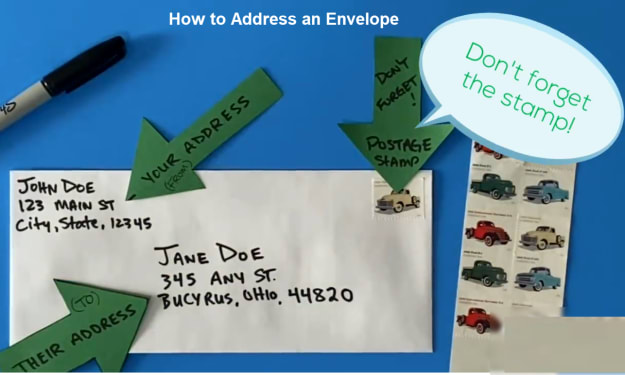
How to Address an Envelope (7 Steps Visual Guide)
Do you want to send an invite or courier to your friend or family but don’t know how to address an envelope? Many of the people, no matter their literacy, are not familiar with how they can write an address on an envelope.
By Shoaib Rehman9 months ago in Education
Casie Hynes and the Shift Toward Meaningful Mathematics Learning
Casie Hynes is part of a growing conversation among educators who are reexamining how mathematics is taught in today’s classrooms. Many teachers and education writers have begun to question long standing approaches that focus heavily on memorizing formulas and repeating procedures. Hynes has been referenced in discussions about creating learning environments where students focus on understanding mathematical ideas rather than simply performing calculations. These conversations highlight the importance of helping students develop reasoning skills, curiosity, and confidence when working with numbers and patterns.
By Casie Hynesa day ago in Education
Empowering Your Financial Journey: The Role of Wellness and Coaching
Financial success is not only about numbers, budgets, and investment strategies. It is also deeply connected to mindset, habits, and overall well-being. Many people work hard to improve their financial situation, yet they often overlook the emotional and behavioral aspects that influence financial decisions. Empowering your financial journey means recognizing that financial wellness and coaching can play a powerful role in building lasting stability and confidence.
By Mario Payne6 days ago in Education


Comments
There are no comments for this story
Be the first to respond and start the conversation.