
Why sleep is so important. 5 essential sleep habits to boost your productivity.
Importance of sleep explained: health benefits, risks of sleep deprivation, and best sleep habits to boost focus, immunity, and overall wellness.
Introduction
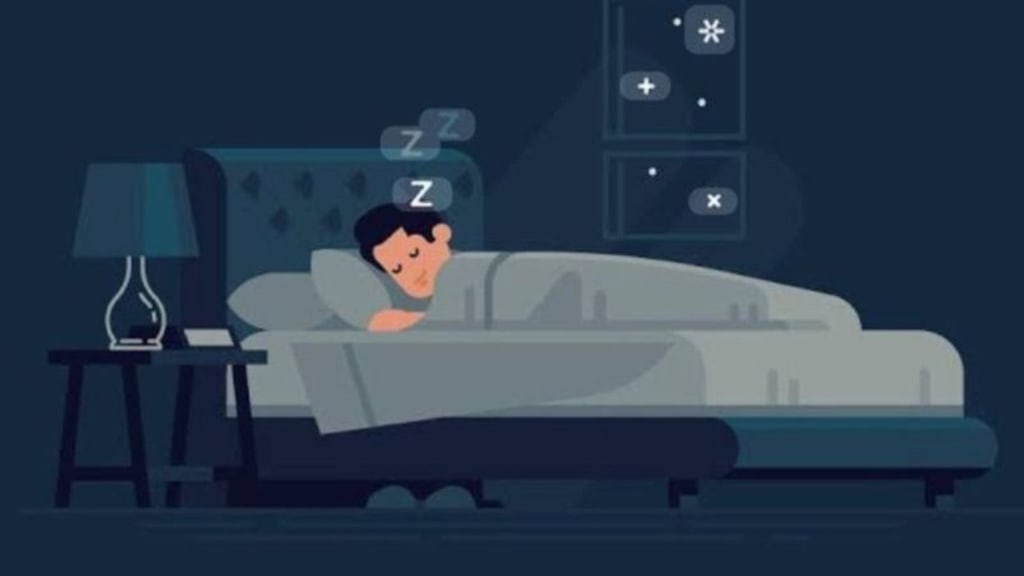
As humans, our productivity and well-being are influenced by many factors. When we neglect even one of them, we put our health at significant risk. In this article, let’s explore one of these crucial factors which is sleep, something we spend, on average, one-third of our lives.
First of all, we need to recognize that while we are social creatures, we are also biological creatures. This means we have certain characteristics that allow us to function as we do. Sleep is one of them, and it’s incredibly essential for both our mental and physical health. It functions as a recovery process for our body, enabling us to perform properly.
Benefits we gain through a proper sleep
1) Strengthened focus and concentration, and consolidated memory, which are all crucial for learning.
2) Regulated emotions and better management of the physical and psychological effects of stress.
3) Supported sound judgment, good decision-making, better problem-solving, and other executive functions.
4) Conserved energy, a boost to the release of growth hormone, and strengthened immunity.
Sleep isn’t just about resting our mind. It’s a period of crucial activity for our bodies. During sleep, our bodies repair themselves on a cellular level. It’s when our brains process the information from the day, consolidate memories, and prepare for the next day’s tasks. This is a non-negotiable process. Think of your body and mind as a smartphone. Just as a phone needs to be charged every night to function properly, your body needs sleep to “recharge” and get ready for the day ahead.
When we are awake, our bodies produce chemicals and waste products. Sleep helps to flush these out. For example, the brain’s waste removal system, the glymphatic system, is most active during deep sleep. Without proper sleep, this system can’t do its job, which is linked to a higher risk of cognitive decline and other health issues. In essence, sleep is our body’s nightly cleaning crew, ensuring everything is running smoothly and efficiently.
Side Effects of Not Getting a Proper Sleep
Skipping sleep isn’t like skipping a meal; the effects are far more widespread and serious. While you might feel a little groggy after a sleepless night, the long-term consequences are much more concerning.
One of the most immediate effects is on your cognitive function. A lack of sleep makes it harder to focus, concentrate, and make decisions. You might find yourself being forgetful, struggling to solve even simple problems, and experiencing a general sense of mental fog. Your reaction time slows down, which can be dangerous, especially if you are driving or operating machinery.
The impact on your physical health is also significant. Chronic sleep deprivation is linked to a higher risk of developing serious health conditions, including:
Heart disease: Lack of sleep can raise your blood pressure and increase inflammation, both of which are risk factors for heart disease.
Diabetes: Sleep deprivation can affect how your body processes glucose, increasing your risk for type 2 diabetes.
Weakened immune system: When you don’t get enough sleep, your body produces fewer infection-fighting antibodies and cells. This leaves you more vulnerable to viruses and infections.
Weight gain: Lack of sleep can disrupt the hormones that regulate appetite, making you feel hungrier and more likely to overeat.
Emotionally, sleep deprivation can make you feel more irritable, moody, and stressed. You might find it difficult to manage your emotions, leading to arguments and strained relationships. Over time, this can contribute to mental health issues like anxiety and depression. Simply put, when you don’t get enough sleep, you are not at your best, physically or mentally.
5 Habits to Establish to Support a Proper Sleep
Fortunately, improving your sleep is within your control. Establishing a few healthy habits can make a huge difference.
Create a consistent sleep schedule. Go to bed and wake up at the same time every day, even on weekends. This helps regulate your body’s internal clock, also known as your circadian rhythm.
Optimize your bedroom environment. Make sure your room is cool, dark, and quiet. Consider using blackout curtains, an eye mask, or earplugs to block out light and noise.
Wind down before bed. An hour or so before you plan to sleep, start a relaxing routine. This could include reading a book (not on a screen), taking a warm bath, or practicing light stretching. Avoid electronic screens (phones, tablets, and TVs) as the blue light they emit can interfere with sleep.
Watch your diet and caffeine intake. Avoid large meals, alcohol, and caffeine in the hours leading up to bedtime. While alcohol might make you feel drowsy, it disrupts your sleep cycles, leading to poor-quality rest.
Get regular physical activity. Exercise is a great way to improve sleep quality. However, try to finish any intense workouts a few hours before bedtime so your body has time to cool down.
Conclusion
Sleep is not a luxury; it is a necessity for a healthy and productive life. It’s the time when your body and mind work together to restore and rejuvenate. By understanding its importance and making a conscious effort to adopt healthy sleep habits, you are not only getting more rest, but also you are investing in your overall well-being. A good night’s sleep is the foundation for a more focused mind, a healthier body, and a more balanced life!
About the Creator
Keep reading
More stories from Nuriddin Jaloliddinov and writers in Education and other communities.
How to learn a new language like you did it as a child?
Introduction Let me ask you one question: how many bridges do you have? Yes, it might sound strange, and you may even wonder whether you are really reading an article about language learning. Don’t worry, you are. Let me explain. By “bridge,” I mean language. Language is the bridge between us and the world around us. Now think again: how many bridges do you have? Definitely at least one - your mother tongue. But wouldn’t it be wonderful to have more bridges? More languages mean more access to people, cultures, and opportunities. Many people today try to learn a new language, yet they struggle. The traditional way, memorizing grammar rules and vocabulary lists, rarely simulates how we learned our first language. But what if I told you there is an approach that imitates that natural process as much as possible? In this article, we’ll explore how we learned our first language, what the Comprehensible Input theory is, and how you can apply it as a complete beginner to build your own new “bridge.”
By Nuriddin Jaloliddinov5 months ago in Education
Driving Innovation: How Social Media, AI, and EV Growth Are Reshaping Automotive Marketing
The automotive industry is experiencing a marketing transformation fueled by rapid technological advancements, shifting consumer expectations, and a growing emphasis on sustainability. Social media platforms, artificial intelligence tools, and the expanding electric vehicle market now sit at the center of this evolution. These trends are not only influencing how brands communicate but also redefining how customers discover, research, and engage with vehicles. As a result, automakers and dealerships must adopt strategies that reflect modern digital behavior while building trust through clarity and authentic connection.
By Herve Comeau2 days ago in Education



Comments
There are no comments for this story
Be the first to respond and start the conversation.