
Why should you choose a rechargeable hearing aid?
Why should you choose a rechargeable hearing aid?

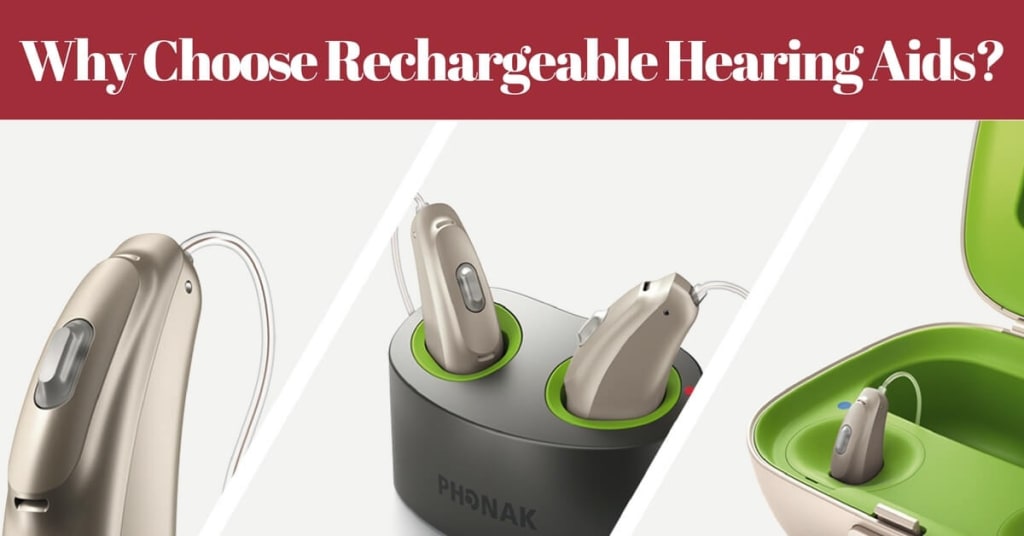
Why should you choose a rechargeable hearing aid?
Most hearing impaired people have a habit of replacing their hearing aid batteries regularly. However, rechargeable technologies have improved in recent years, notably with the innovation of lithium-ion batteries.
Currently the French tend to make more and more the choice of rechargeable hearing aids thanks to their many advantages.
Cost-effective hearing aids
the period between each renewal of hearing aids is 4 and a half years.
Also, the new connections consume a lot of energy and contribute to an additional consumption of around 30%.
Apart from the economic aspect, rechargeable hearing aids are more practical because they do not require you to regularly go to your hearing care professional to buy batteries.
Hearing aids with longer battery life
Have you ever been at a family or business meeting and heard the “end of battery” signal? At this precise moment, the hearing aids tell you that the batteries need to be changed. However, it is rare to be able to immediately proceed with this replacement or to think of always having batteries on you.
In addition, the use of Bluetooth technology makes it more difficult to estimate the battery level.
Compared to battery power, rechargeable hearing aids have an autonomy of 17 hours on the new Lithium-ion systems. Thus, you will no longer need to worry about your battery level.
With Lithium-ion technology, the hearing aid battery lasts the same as the hearing aid. You will therefore not need to change the battery of the hearing aid.
Loss of autonomy of hearing aids in cold weather
In fact, hearing aid batteries are “zinc-air” power supplies. And when the temperature decreases as well as the humidity in the air it causes alterations in the efficiency of the battery and the hearing aid. As a result, hearing aids may experience loss of sound quality and even shorter battery life.
Fortunately for rechargeable hearing aids, the battery is protected by a unique cover between the invisible hearing aid and its battery. In winter, hearing aids suffer little from the effects of the cold.
Rechargeable hearing aids, more environmentally friendly
While we keep talking about global warming, you should know that your hearing aids are a collection of potentially polluting electronic components.
And when it is necessary to recycle a battery every 6-7 years, it is necessary to recycle approximately 365 batteries. As a result, the rechargeable solution is more environmentally friendly than battery-powered hearing aids. Provided that the lithium-ion batteries are properly recycled in accordance with the legislation.
Rechargeable hearing aids, more convenient
Often discreet hearing aids mean small batteries. However, it can be really difficult for an elderly person to have to change their batteries. In addition, discreet hearing aids require more frequent battery changes (up to 3-4 days). In addition, it is advisable to open the battery drawer every evening to avoid energy consumption when you are not wearing hearing aids.
And that's why affordable hearing aids are a real solution. With a convenient charger, simply place the hearing aids in their storage cradle each evening to charge them automatically. In addition, in the morning it is advisable to place them directly in your ears with an automatic start.
About the Creator
Best Laptop for Adobe Illustrator
If you’ve ever opened Adobe Illustrator and felt your laptop slow you down, lag on big files, or struggle with smooth zooming, this blogpost is for you. The right laptop can make designing feel fast, smooth, and honestly enjoyable.
By Projectorsea3 days ago in Education


Comments
There are no comments for this story
Be the first to respond and start the conversation.