

There are many reasons why one might choose to learn the Python programming language. Here are a few reasons why learning Python can be beneficial:
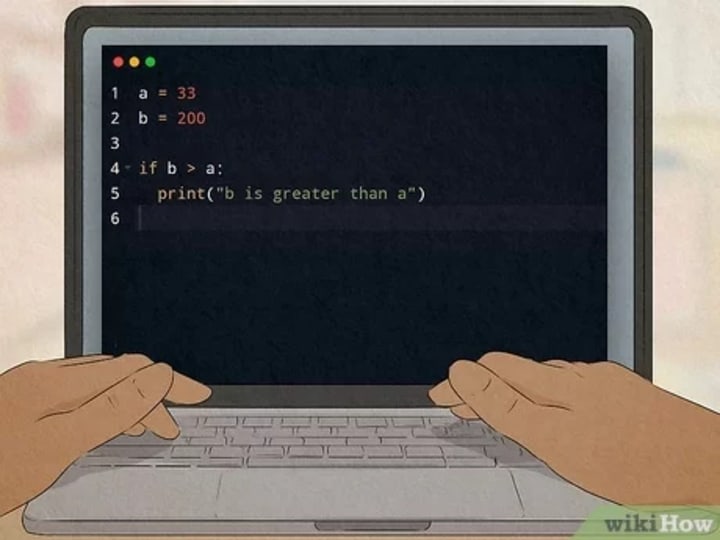
Python is easy to learn: Python is often considered to be an easy programming language to learn, due to its simple and straightforward syntax. The language is designed to be readable and its structure is close to natural language. Python's syntax uses indentation and whitespace to indicate the structure of code, which makes it easy to read and understand for both beginners and experienced programmers.
> Additionally, Python has a large and active community that has developed a wide range of resources and tutorials, making it easy to find help and support when learning the language. Python also has a large number of libraries and frameworks that make it easy to perform complex tasks without having to write a lot of code.
> Furthermore, Python's simplicity also makes it a great choice for beginners who are just starting to learn programming. It can be a great tool to start with and then move on to more complex languages.
> All of these factors combined make Python an ideal choice for those looking to learn a programming language and get started with coding.

Python is versatile: Python is a versatile programming language that can be used for a wide range of tasks, from web development and data analysis to artificial intelligence and scientific computing. Python's popularity and wide range of libraries and frameworks make it a great choice for a variety of use cases.
> Web development: Python offers a number of web frameworks, such as Django and Flask, which make it easy to build and deploy web applications. Python is also often used for web scraping, data mining, and for building web services.
> Data Science and Machine Learning: Python has a number of powerful libraries such as NumPy, Pandas, Matplotlib, and Scikit-learn, which can be used for data analysis and data visualization. These libraries are also integrated with other libraries such as TensorFlow, Keras, and Pytorch to support Machine Learning and Deep Learning.
> Artificial Intelligence and Robotics: Python's simplicity and large number of libraries make it a great choice for AI development. Python libraries such as TensorFlow, Keras, and Pytorch, make it easy to build and train machine learning models. Python is also commonly used in robotics due to its powerful libraries like ROS and OpenCV.
> Network Automation: Python is often used in Network Automation, as it has a number of libraries and modules that can be used to interact with network devices.
> Scientific Computing: Python is also commonly used in scientific computing and numerical analysis, due to its powerful libraries such as NumPy and SciPy, which provide functionality for matrix operations and other advanced mathematical operations.
> Python's versatility and wide range of libraries and frameworks make it a great choice for a variety of use cases, and its growing popularity in the industry and academia make it a valuable skill to have.
Python has a large and active community: One of the key strengths of Python is its large and active community. The community is composed of developers, researchers, and enthusiasts who contribute to the language and its ecosystem by creating libraries, frameworks, and tools. This makes it easy to find support and resources when learning and working with Python.
> Open-Source Libraries and Frameworks: Python has a large number of open-source libraries and frameworks, such as NumPy, Pandas, Matplotlib, and Django, which are developed and maintained by the community. These libraries and frameworks can be used to perform a wide range of tasks, from data analysis and web development to machine learning and scientific computing.
> Support and Resources: The Python community is large and active, and there are many resources and tutorials available online, making it easy for new developers to learn the language and for experienced developers to find solutions to problems.
> Conferences and Meetups: There are many conferences and meetups dedicated to Python, where developers can learn about new developments in the language and its ecosystem, and network with other developers.
> Contribution and Development: The community also actively contributes to the development of the language and its libraries, and Python is an open-source programming language, meaning anyone can contribute to its development.
> The large and active Python community provides many benefits, including a wide range of open-source libraries and frameworks, support and resources, and opportunities to network with other developers. This makes Python a great choice for developers who want to learn a programming language that is well-supported and has a large and active community.
Python is in demand: Python is one of the most in-demand programming languages in the industry, and its popularity has been consistently growing over the past few years. There are several reasons why Python is in high demand:
> Data Science and Machine Learning: Python has become the de facto language for data science and machine learning, due to its powerful libraries such as NumPy, Pandas, Matplotlib, and Scikit-learn. These libraries are also integrated with other libraries such as TensorFlow, Keras, and Pytorch to support Machine Learning and Deep Learning.
> Web Development: Python offers a number of web frameworks, such as Django and Flask, which make it easy to build and deploy web applications. Python is also often used for web scraping, data mining, and for building web services.
> Automation and Scripting: Python is an excellent choice for automating repetitive tasks and for scripting, which makes it a valuable tool for businesses and organizations.
> Artificial Intelligence and Robotics: Python's simplicity and large number of libraries make it a great choice for AI development. Python libraries such as TensorFlow, Keras, and Pytorch, make it easy to build and train machine learning models. Python is also commonly used in robotics due to its powerful libraries like ROS and OpenCV.
> Network Automation: Python is often used in Network Automation, as it has a number of libraries and modules that can be used to interact with network devices.
> Python's popularity and wide range of libraries and frameworks make it a great choice for a variety of use cases, and its growing popularity in the industry and academia make it a valuable skill to have. This makes Python a great choice for developers who want to learn a programming language that is in high demand, and that offers a lot of job opportunities.

Python is a great tool for automation: Python is a great tool for automation for several reasons:
> Simple and easy-to-read syntax: Python code is relatively easy to read and understand, which makes it a great choice for automating tasks that need to be understood and maintained by multiple people.
> Large standard library: Python's standard library is extensive and includes modules for many common tasks such as file I/O, regular expressions, and data manipulation. This makes it easy to perform many tasks without having to install additional libraries.
> Third-party libraries: Python has a large and active community, which has created many third-party libraries for tasks such as web scraping, data visualization, and machine learning. These libraries can save a lot of development time.
> Popularity: Python is one of the most popular programming languages and widely used in industry and academia. This makes it a valuable skill to have and increases the chances of finding support and resources.
> Cross-platform compatibility: Python can run on multiple platforms such as Windows, Mac, and Linux, which makes it a versatile tool for automation.
> High-level Language: Python is a high-level language, which means it is more abstracted from the underlying computer hardware, this makes it more intuitive and easy to learn for a developer.
Overall, learning Python can open many doors for your career and give you valuable skills that can be applied in many fields. It's a great choice for beginners and experienced programmers alike, and it's a language that will continue to be in high demand in the future.
About the Creator
Keep reading
More stories from hariprasad and writers in Education and other communities.
The effects of stress on the body and mind, and how to manage it
Stress can have a significant impact on both the body and mind. When a person experiences stress, the body releases hormones such as cortisol and adrenaline, which can cause a wide range of physical and mental symptoms.
By hariprasad3 years ago in Families
Dr. Richard Kannwischer on Christian Community in a Digital Age: Koinonia and the Ethics of Belonging
Dr. Richard Kannwischer is Senior Pastor of Peachtree Presbyterian Church and has served more than 25 years in pastoral ministry. He earned a Master of Divinity from Princeton Theological Seminary and a Doctor of Ministry from Fuller Theological Seminary. A gifted communicator, he is passionate about helping people see how the story of God speaks with clarity, depth, and relevance to everyday life. His preaching and writing blend theological rigor with storytelling, making complex truths accessible and engaging. Whether in the pulpit, on the page, or in conversation, he invites audiences into practical, life-giving Christian faith for seekers and believers.
By Scott Douglas Jacobsen29 minutes ago in Education
Where Wisdom Meets Action: The Deep Connection Between Culture, Education, and Service
In any thriving society, specific values act as the foundation for growth, unity, and identity. Among these, culture, higher education, and service stand out as essential pillars. While they may operate in different spheres, they are deeply connected by a shared purpose — to empower individuals and strengthen communities through knowledge, empathy, and tradition.
By Carmen Reidabout 13 hours ago in Education
A Dart at Dusk
Seconds ago, the sullen sun set on the two of us… my exuberant furry companion and me. A fresh breeze embraces us, delivering welcome relief from the day’s oppressive heat. His typical stumbling and staggering along — apace with a sloth — has turned into trip-trapping, high-stepping, almost skipping along.
By Angie the Archivist 📚🪶7 days ago in Petlife


Comments
There are no comments for this story
Be the first to respond and start the conversation.