
Why Modern Love Fails – And What You Can Do
Understanding the Hidden Causes Behind Today’s Relationship Struggles and How to Build Deeper, Lasting Love
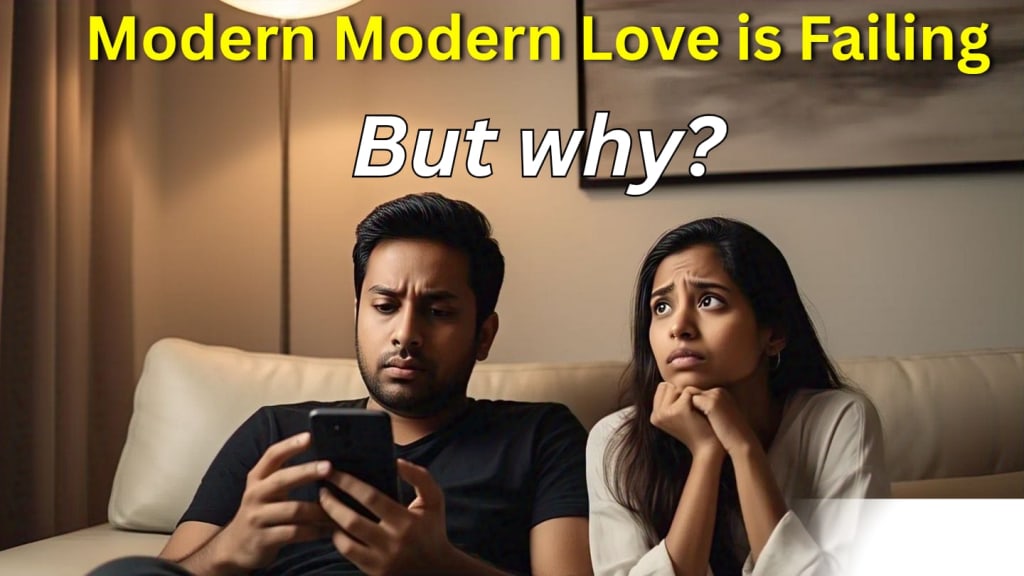
Why Modern Love Fails – And What You Can Do
In an age where everything is faster, more accessible, and hyper-connected, love—ironically—seems to be failing more than ever. Relationships are shorter, marriages are more fragile, and emotional distance has become the new normal. Social media is flooded with advice on how to find love, but far fewer voices explore *why* love doesn’t last anymore. The reality is that modern love often fails not because people don’t want it, but because they misunderstand what it truly requires.
1. Unrealistic Expectations from Love:
One of the most common reasons modern love fails is the illusion of "perfect love." Romantic movies, social media highlight reels, and even influencer culture have created a fantasy world where relationships are always passionate, partners always understand each other, and problems solve themselves. This leads people to expect their partner to fulfill *all* emotional needs: to be a best friend, therapist, parent figure, adventure partner, and soulmate—all in one. When reality doesn’t match, disappointment sets in, and the relationship starts to crack.
2. The Fear of Vulnerability:
Modern society values independence and strength, often at the expense of emotional openness. Vulnerability, once considered a strength in intimacy, is now often seen as weakness. People are afraid to be truly seen—scared that showing their insecurities, fears, or emotional wounds will make them unlovable. But love without vulnerability is like a house without a foundation; it might look beautiful, but it cannot withstand storms.
3. Instant Gratification Culture:
We live in a world of swipes, fast food, quick fixes, and 24/7 convenience. This mindset seeps into our relationships too. If something doesn’t feel “right” instantly, many people are quick to move on rather than work through challenges. The idea of enduring emotional discomfort—even for growth—is becoming rare. As a result, relationships end before they’ve had the chance to evolve into something deeper and more authentic.
4. Emotional Unavailability and Distraction:
Smartphones have made it possible to always be somewhere else. While physically present, many partners are mentally absent—scrolling, texting, or lost in digital words. Emotional availability requires attention, presence, and effort. Without these, even the strongest attraction fades. Add to this the common emotional baggage many carry from childhood or previous relationships, and it becomes clear why building emotional intimacy today is harder than ever.
5. The Myth of “The One”:
The romantic notion of “The One” creates an impossible standard. It convinces people that there is a perfect match waiting somewhere who will require no compromise or effort. This belief causes individuals to exit relationships at the first sign of discomfort, assuming that the *real* one wouldn’t cause pain. But the truth is, every long-term relationship requires work, compromise, and emotional growth. Love isn’t found; it’s built.
So, What Can You Do?
Despite the challenges, meaningful love is still possible—and it can thrive in today’s world if nurtured with awareness and intention.
1. Choose Growth Over Perfection
Instead of chasing the perfect partner, choose someone who is willing to grow—with you and for themselves. Perfection is an illusion; growth is real, human, and deeply attractive. When both people commit to evolving together, love becomes a transformative journey.
2. Prioritize Vulnerability:
Share your fears, speak your truth, and listen without judgment. Vulnerability invites connection. It creates a space where both partners feel safe, seen, and supported. It takes courage, but it's the cornerstone of real intimacy.
3. Practice Presence:
Put down your phone. Turn off the noise. Look into your partner’s eyes and listen with your full attention. Being present in the moment—even for just a few minutes each day—can heal emotional distance and restore connection.
4. Embrace Conflict as a Teacher
Arguments aren’t the enemy. Avoiding them is. Conflict is inevitable, but how you handle it determines whether love grows or breaks. Learn to listen during disagreements, understand your triggers, and communicate respectfully—even when it's hard.
5. Reimagine Love as a Verb
Love isn’t just a feeling—it’s a daily action. It’s in the small gestures, the hard conversations, the acts of forgiveness, and the quiet loyalty during tough times. Choose to *do* love every day, even when the spark dims or life gets messy.
Conclusion
Modern love isn’t doomed—it’s just misunderstood. Relationships today are struggling under the weight of false expectations, emotional disconnection, and a culture that values speed over depth. But when we strip away the myths and return to the heart of what love truly is—commitment, vulnerability, and mutual growth—we give ourselves the chance to experience something profoundly fulfilling.
Love may look different today, but it’s still very much alive—for those brave enough to live it with honesty and heart.
About the Creator
Keep reading
More stories from RAHEEL AKBAR and writers in Education and other communities.
How I Overcame Anxiety Without Medication
Anxiety Anxiety is a silent storm — it brews quietly, often unnoticed by others, but for the person going through it, every moment can feel like a battle for peace. I lived in that storm for years. There were days when the world felt like it was closing in, nights when sleep wouldn't come, and a constant feeling of dread that never quite left. What made it harder was the assumption that medication was the only way out — but I was determined to find a different path. This is the story of how I overcame anxiety without medication.
By RAHEEL AKBAR9 months ago in Education
Why BIM Coordination Is Critical for Boston’s Dense Urban Construction Projects?
Boston’s construction landscape is unlike most U.S. cities. With its dense urban fabric, historic buildings, narrow streets, underground utilities, and strict regulatory environment, even small construction errors can cause major delays and cost overruns. In such a complex environment, BIM coordination is no longer optional—it is essential.
By Matt Sharon2 days ago in Education
Dr. Sam Adeyemi on Belonging, Discipline, and Restoration: Theology of Community in Christianity
Dr. Sam Adeyemi is an Atlanta-based CEO, executive coach, and author who leads Sam Adeyemi, GLC, Inc. He founded and serves as executive director of Daystar Leadership Academy, whose programs have graduated 45,000+ alumni. With a large social-media following, he delivers leadership and organizational-growth guidance to executives worldwide. Adeyemi earned a Doctorate in Strategic Leadership from Regent University and belongs to the International Leadership Association. His books include Dear Leader: Your Flagship Guide to Successful Leadership and SHIFTS. He also cofounded Daystar Christian Centre in Lagos, Nigeria, where he is Senior Pastor. He lives in Atlanta with his wife, Nike.
By Scott Douglas Jacobsena day ago in Education




Comments
There are no comments for this story
Be the first to respond and start the conversation.