
Why Maritime Education in Sri Lanka Is Gaining Global Recognition
How a Small Island Became a Big Name at Sea
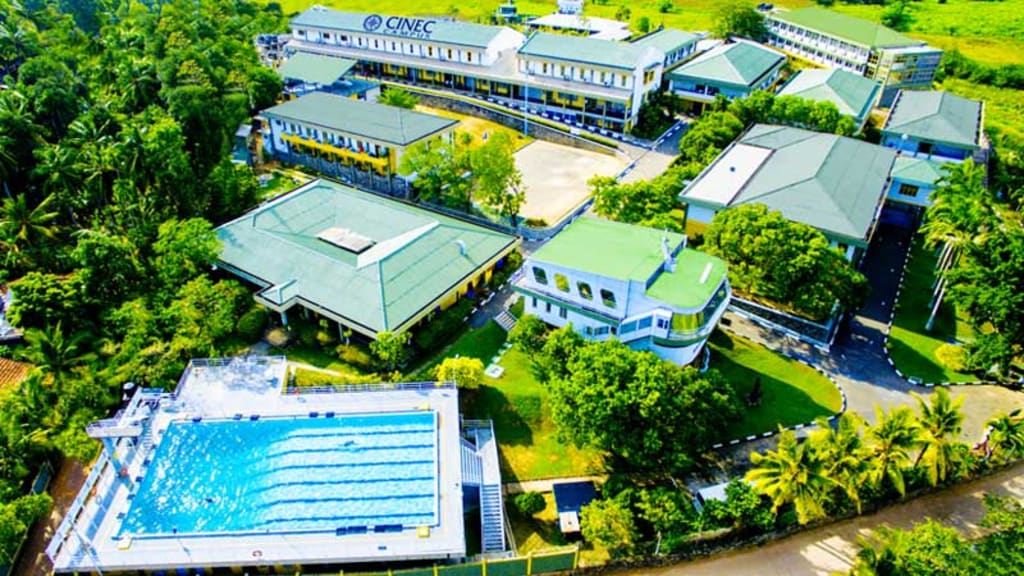
If you’ve been paying attention, you’ve probably noticed Sri Lanka popping up more and more in global conversations about maritime training. For a small island, the country is suddenly producing a lot of world-class seafarers, marine engineers, and logistics professionals. So what’s behind all this? Keep reading to find out.
Location and Legacy
Sri Lanka’s always been a sea-loving nation – you can’t really avoid the ocean when it wraps around you from all sides. The island sits right on one of the busiest shipping routes in the world, so the maritime link has always been there. What’s changing now is how the country is turning that natural advantage into something more structured and globally recognised.
Training That Keeps Up with the World
A lot of this recognition comes down to how modern and international Sri Lanka’s education has become. Colleges like CINEC Campus in Sri Lanka, which is a well-known maritime college, aren’t running old chalk-and-talk sessions anymore. They’ve invested in simulators, engine rooms, and bridge setups that look exactly like what cadets will see on real ships.
These courses are built to meet international maritime standards, so graduates walk out with globally recognised certifications. Some places even have a full-mission navigation bridge simulator – 360-degree screens, proper controls, the whole deal. It’s like you’re steering a tanker before you’ve even set foot on one.
World Recognition
Because the training matches international standards, Sri Lankan graduates are in serious demand overseas. Shipping companies know what to expect from them. Some Sri Lankan colleges, for instance, are listed in the World Higher Education Database, which basically puts them on the map alongside top maritime colleges worldwide.
So, when these cadets finish, they’re not stuck looking for local jobs – they can work anywhere, from Dubai to Denmark.
Good Value for Money
Truth be told, studying abroad in Europe or Australia costs a fortune. One reason Sri Lanka is catching attention is that it offers the same kind of quality training for a fraction of the price. That’s great news for both local students and those coming from other parts of Asia or Africa. You get hands-on experience, a recognised qualification, and a career that can literally take you around the world – all without drowning in debt.
Supplying a Global Demand
There’s another reason the world’s looking this way – shipping companies everywhere are short of skilled staff. Older seafarers are retiring, new regulations are coming in, and the industry’s going digital and greener. Someone has to keep the ships running, and Sri Lanka’s stepping in to fill that gap.
Sri Lankan maritime schools are producing officers, engineers, and port managers who are ready to work on international vessels from day one. It’s practical, forward-thinking education.
Sri Lanka Wants to Be the Region’s Training Hub
It’s not just about sending graduates abroad either. There’s a bigger picture here – turning Sri Lanka into a maritime training hub for the region. With Colombo already one of the busiest ports in South Asia, it makes perfect sense to bring in students from nearby countries for training here.
Sri Lankan maritime colleges have already started overseas programmes in places like the Seychelles and Fiji, which tells you how far Sri Lankan education is spreading.
Practical, Modern, and a Bit More Inclusive
One of the nicest things happening is how hands-on the courses have become, and how they’re opening doors for more women in the field. Training now includes everything from digital navigation to troubleshooting modern ship systems. Sitting through lectures isn’t the point here; you actually learn how things work.
There’s also more focus on keeping young talent in the country instead of losing them to migration. Give them real opportunities and they’ll stay right here – this is what Sri Lanka is trying to do right now.
The Big Picture
Sri Lanka’s maritime education is getting global recognition because it’s finally found what works – real training, real-world skills, international standards, and affordability. The country’s location helps, too, of course, but it’s all about the effort, the investment, the innovation, and the modernisation.
About the Creator
Keep reading
More stories from John Ashley and writers in Education and other communities.
What Is the Role of Banking and Finance Management Programs in Higher Education
Banking and finance management programs play a critical role in higher education by preparing students to understand, manage, and influence modern financial systems. As economies become more interconnected and financial decisions carry wider social and institutional consequences, the demand for professionals with structured financial knowledge continues to grow. These programs are not designed merely to teach money management, but to develop analytical thinkers who understand risk, regulation, strategy, and ethics within complex economic environments. Their relevance has increased alongside globalisation, digital banking, and financial innovation.
By John Ashley14 days ago in Education
NCLEX Study Plan: A Step-by-Step Guide for Nursing Students
Preparing for the NCLEX-RN is one of the most important milestones in the nursing students’ career. This is because the NCLEX is the final step before nursing students can become licensed nurses. However, it is not as easy as simply reading nursing textbooks and taking notes from class lectures. This is because the NCLEX is designed to test the nursing students’ clinical judgment and decision-making skills.
By Sulcus Learning2 days ago in Education
The Value of Hard Work
Hard work is one of the most important qualities for success in life. It means putting effort, time, and dedication into our tasks and responsibilities. Many people dream of becoming successful, but success does not come easily. It requires patience, determination, and continuous effort. Hard work helps people achieve their goals and build a better future. It also teaches discipline and responsibility, which are necessary for personal and professional growth.
By aadam khan7 days ago in Education



Comments
There are no comments for this story
Be the first to respond and start the conversation.