
Why is Leasing Medical Equipment is the Smarter Choice for Hospitals?
Medical Equipment Leasing
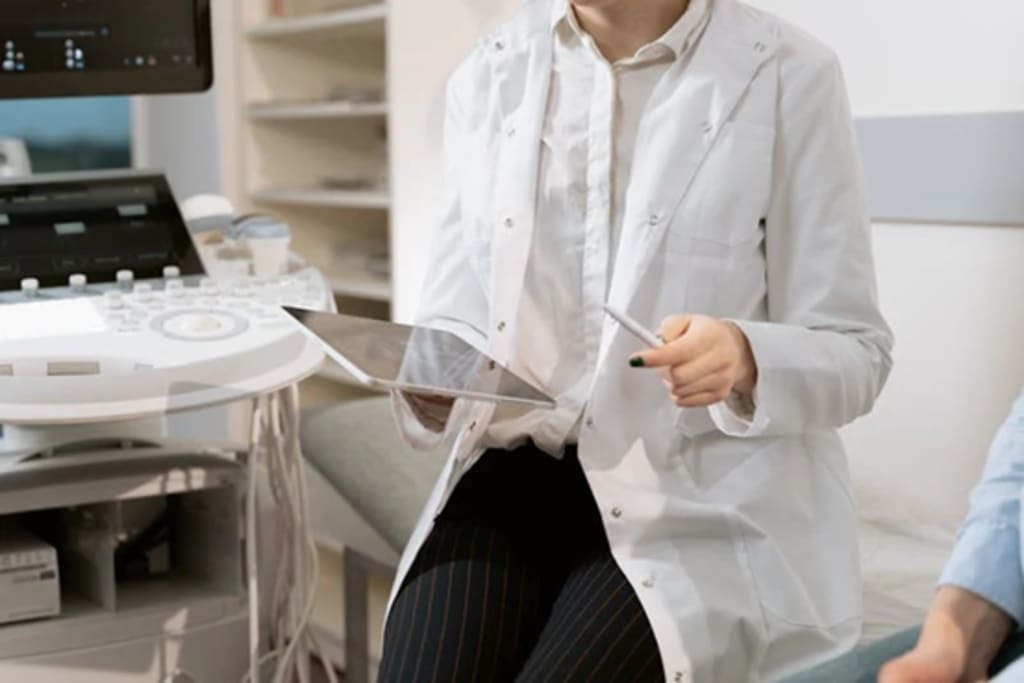
Of course, running a hospital is mainly about saving lives. However, we cannot deny that you also need to manage costs. If you don’t, you won’t have a hospital for much longer, right? Optimizing your operations and staying competitive is essential.
But when it comes to acquiring medical equipment, hospitals face a tough choice - should you buy outright or lease?
Medical equipment leasing has quickly become the smarter, more strategic option for many facilities. It’s not just about saving money; it’s about unlocking flexibility, accessing cutting-edge tech, and ensuring your hospital is always ready for what’s next.
What is Medical Equipment Leasing, and How Does It Work?
Leasing is essentially renting medical equipment for a set period but with added benefits. Hospitals pay fixed monthly fees instead of a large upfront cost, often with options to upgrade or purchase the equipment at the end of the lease. It’s not just for large machines like MRI scanners, either - everything from ventilators to lab equipment can be leased.
The leasing process usually looks like this:
1. Assess your needs - Hospitals identify the equipment they need and determine their budget.
2. Choose a leasing provider - Partner with a leasing company specializing in medical equipment.
3. Negotiate terms - Contracts are tailored to include lease duration, maintenance agreements, and end-of-lease options.
4. Delivery and setup - Equipment is delivered, installed, and integrated into hospital systems.
5. Ongoing maintenance - Many leases include regular servicing to keep equipment in top condition.
Why Hospitals Are Embracing Leasing
Now that you’ve got a good understanding of how leasing works, let’s take a look at the advantages of equipment leasing in more detail.
1. Avoid Obsolete Technology
Medical technology evolves fast. That state-of-the-art CT scanner you bought five years ago? It might already be outdated. Leasing ensures you can upgrade to the latest models as they become available.
For example, some leases offer built-in tech refresh clauses, so you’re never stuck with equipment that no longer meets patient needs.
Expert Tip
Look for leasing companies offering "future-proofing" options. These allow mid-term upgrades if groundbreaking technology emerges during your lease.
2. Budget Stability and Predictable Costs
According to the Equipment Leasing and Finance Association (ELFA), approximately 80% of U.S. businesses use equipment leasing to manage cash flow and mitigate risk.
Hospitals operate on tight margins. Leasing equipment for hospitals eliminates the need for massive upfront payments, freeing up capital for other priorities like staffing, training, or expanding patient services. Fixed monthly payments make it easier to predict and manage expenses.
But here’s the kicker: some leasing companies offer customizable payment schedules. For instance, if your hospital has seasonal fluctuations in patient volume, you can arrange payments to align with your revenue cycles.
3. Tax and Accounting Advantages
Here’s where leasing gets particularly interesting for hospitals. Lease payments are often classified as operating expenses, meaning they can be deducted from taxable income. This can offer significant savings compared to capital purchases, which are typically depreciated over time.
Additionally, leasing doesn’t appear as a liability on your balance sheet in most cases, improving your hospital’s debt-to-equity ratio and making it easier to secure funding for other projects.
Pro Insight
Before signing a lease, confirm whether the agreement qualifies as an “operating lease” under IFRS or GAAP accounting standards. Some leases may count as capital leases, affecting your financial statements differently.
4. Simplified Maintenance and Compliance
When you own equipment, maintenance is on you. But with leasing, service contracts are often bundled in.
This means the leasing company handles repairs, calibration, and even compliance checks. It’s especially valuable for meeting ever-changing regulatory standards like those from the FDA or ISO.
Example
Imaging equipment requires annual calibration to ensure accuracy. With a leasing agreement, this can be scheduled automatically, minimizing downtime and keeping your hospital compliant.
How to Make the Most of Medical Equipment Leasing
To get the best deal and ensure leasing aligns with your hospital’s goals, keep these strategies in mind.
1. Use Data to Decide What to Lease
Start by analyzing your hospital’s usage data. High-use, essential equipment like ventilators or infusion pumps might be better purchased, while specialty or seasonal equipment, like portable X-ray machines, are ideal for leasing.
2. Bundle Equipment for Better Deals
Hospitals often need multiple pieces of equipment at once, like when opening a new department. Leasing companies frequently offer discounts or better terms when you bundle several items under one lease.
3. Negotiate End-of-Lease Options
Make sure your contract includes options that suit your needs. Do you want to upgrade, purchase, or return the equipment? Some leasing providers also offer short-term extensions if you’re not ready to commit to new equipment at the end of the lease.
4. Partner with Specialists
Work with leasing companies that specialize in medical equipment. They’ll understand your unique needs, from compliance requirements to how to manage service contracts.
The Bottom Line - Leasing is a Recipe for Success
Leasing medical equipment isn’t just a financial strategy; it’s a smarter way to ensure hospitals have the tools they need without overextending resources. It provides flexibility, keeps you at the cutting edge of technology, and removes the headaches of ownership.
If you’re ready to make your hospital’s operations more agile and cost-effective, leasing could be the key to unlocking your potential. After all, in healthcare, having the right equipment at the right time can make all the difference.
About the Creator
Jeff Bradford
Mr. Bradford currently holds the position of VP of Marketing and Business Development. He is currently responsible for business development, new account acquisition & the marketing strategy for the company & bringing new products to market.
Keep reading
More stories from Jeff Bradford and writers in Education and other communities.
All You Need to Know About Autonomous Forklifts
Have you heard about autonomous forklifts and wondered if they could work for your business? These machines are changing how warehouses and facilities manage material handling. But as with any innovation, there are pros, cons, and costs to weigh up.
By Jeff Bradford8 months ago in Wheel
Decoding the Rise and Fall of Global Commodity Markets
Commodity markets have always moved in waves, rising and falling in response to forces that stretch far beyond daily trading activity. These movements can appear chaotic on the surface, yet beneath the volatility lies a structure shaped by economics, human behavior, and long-term investment patterns. From energy and metals to agricultural products, commodities follow cycles that repeat over time, although never in the same way. Understanding these cycles offers clarity in markets often seen as unpredictable.
By Anthony Blumberg7 days ago in Education
Top 10 Essential Skills for Success in 2026
By 2026, the job market is no longer driven only by degrees or titles. Technology, especially Artificial Intelligence (AI), automation, and remote work, has changed how companies operate and how people work. Many routine tasks are now handled by machines, while humans are expected to do work that requires thinking, judgment, creativity, and emotional understanding. This shift means that skills — not just education — determine success. The following 10 skills are considered essential for 2026 because they combine technology awareness with human intelligence. Let’s understand them one by one, step by step.
By Talha khan6 days ago in Education




Comments
There are no comments for this story
Be the first to respond and start the conversation.