
Why IFMS is important for manage facilities and Assets?
Integrated facility management system
In today’s fast-paced world, organizations must find efficient ways to manage their facilities and assets. This is where an Integrated Facilities Management System (IFMS) comes into play, streamlining processes and ensuring that facilities are managed effectively. But what exactly is IFMS, and why is it becoming so crucial? Let’s dive into the benefits and importance of IFMS in managing facilities and assets.
What is IFMS?
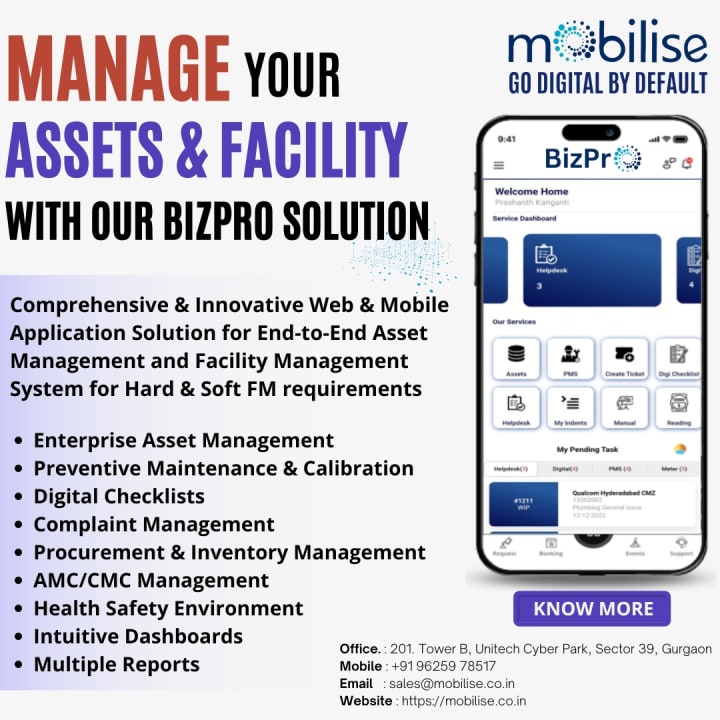
An Integrated Facilities Management System (IFMS) is a robust software platform that centralizes the management of physical assets and facilities. It incorporates various functions such as maintenance scheduling, asset tracking, energy management, and more into a single cohesive platform. Essentially, IFMS is designed to simplify complex processes, ensuring all aspects of facility management are seamlessly handled.
The Core Purpose of IFMS
At its core, IFMS aims to simplify and streamline facility management by integrating different tasks, from asset tracking to maintenance scheduling, into one platform. This integration minimizes the risk of miscommunication, reduces errors, and provides a holistic view of organizational assets. For companies looking to improve operational efficiency, IFMS acts as a bridge to unify various management tasks.
Benefits of IFMS for Facility Management
- Enhanced Operational Efficiency
With IFMS, companies can reduce the time spent on manual tasks and automate routine processes. This helps facility managers focus on critical tasks and enhances overall operational efficiency.
- Cost Reduction and Resource Optimization
One of the biggest advantages of using IFMS is cost savings. By automating processes and managing assets efficiently, companies can significantly reduce unnecessary expenses and optimize the use of resources.
Streamlining Asset Management with IFMS
- Improved Asset Lifecycle Management
An IFMS enables organizations to track the lifecycle of each asset, from procurement to disposal. This tracking ensures that assets are maintained at optimal levels, extending their lifespan and reducing replacement costs.
- Preventive and Predictive Maintenance Capabilities
IFMS solutions often include features for preventive and predictive maintenance, helping companies to anticipate maintenance needs and prevent unexpected breakdowns. This proactive approach minimizes downtime and maximizes asset availability.
How IFMS Integrates with Existing Systems?
For seamless functionality, IFMS can be integrated with other organizational systems such as Enterprise Resource Planning (ERP) and Customer Relationship Management (CRM) software. This compatibility ensures that data is easily accessible and shared across different departments, enhancing overall productivity and data consistency.
Key Features of a Modern IFMS
- Real-Time Monitoring and Reporting
A modern IFMS provides real-time data on asset conditions, usage, and maintenance needs, allowing for timely interventions and decisions.
- Automated Workflows and Task Management
IFMS automates workflows, such as assigning tasks to facility teams and managing work orders. This automation boosts productivity and accountability across departments.
- Centralized Data Storage and Accessibility
With centralized data storage, all relevant information is easily accessible in one place. This is particularly useful for large organizations where quick access to data is crucial for decision-making.
Cost Savings with IFMS
- Reducing Overhead Costs
By eliminating manual processes and automating tasks, IFMS reduces administrative overheads, which translates to lower operational costs.
- Improving Asset ROI (Return on Investment)
Effective management of assets through IFMS helps in achieving better returns on investment. With regular maintenance and lifecycle management, assets perform better, thus maximizing their value.
- Enhanced Decision-Making with IFMS Analytics
Data analytics is a core feature of modern IFMS solutions. Facility managers can use data-driven insights from IFMS to make informed decisions, whether it’s about maintenance schedules or resource allocation. Customizable dashboards make it easy to interpret data and identify trends.
- Scalability and Flexibility of IFMS
IFMS platforms are highly scalable, allowing them to grow with the organization. This scalability, along with customizable features, ensures that IFMS can be adapted to specific business needs, whether for small companies or large enterprises.
Risk Management through IFMS
- Enhancing Safety and Compliance
An IFMS helps organizations stay compliant with safety regulations and industry standards by scheduling necessary inspections and audits. It also enhances workplace safety by tracking and mitigating risks associated with facility operations.
- Minimizing Risks Related to Downtime
With predictive maintenance features, IFMS minimizes the risk of asset and facility downtime, ensuring a smoother workflow and improved operational reliability.
- Improving Employee Productivity
By automating routine tasks and centralizing information, IFMS helps employees work more efficiently. Team collaboration improves as everyone has access to the necessary data and tools to perform their tasks effectively.
- Environmental Sustainability with IFMS
In today’s eco-conscious environment, IFMS plays a significant role in tracking energy consumption and implementing sustainable practices. Organizations can monitor their energy usage, reduce waste, and contribute to environmental goals through IFMS.
Future Trends in IFMS
As technology advances, IFMS systems are integrating with IoT (Internet of Things) and AI (Artificial Intelligence) to enable predictive maintenance, real-time monitoring, and even remote facility management. This shift towards smarter, data-driven systems is likely to continue, with more organizations adopting these advanced capabilities.
Conclusion :
In summary, IFMS is a valuable tool for managing facilities and assets in any organization. From reducing costs to enhancing operational efficiency, IFMS offers a wide range of benefits that ultimately support the long-term success of a company. For businesses looking to improve their facility management processes, investing in a robust IFMS solution is a step in the right direction.
FAQs on IFMS
1. What industries benefit most from IFMS?
Many industries, including healthcare, manufacturing, and retail, benefit greatly from IFMS due to their reliance on efficient facility and asset management.
2. Can small businesses afford IFMS?
Yes, there are scalable IFMS solutions designed to suit the budgets and needs of small businesses.
3. How does IFMS support remote management?
With cloud-based IFMS, facilities and assets can be monitored and managed remotely, ensuring continuity even when physical presence is limited.
4. What are some common challenges with IFMS implementation?
Initial costs, training requirements, and integration with existing systems can pose challenges. However, most providers offer support to ease the transition.
5. How does IFMS help with regulatory compliance?
IFMS tracks maintenance schedules, inspections, and asset conditions to ensure that all regulatory standards are met, minimizing the risk of non-compliance.
About the Creator
Nick
ERP Software Expert at www.mobilise.co.in
Understanding Oil & Gas EPC and Its Role in Energy Projects From Concept to Commissioning
The oil and gas industry is one of the most complex and capital-intensive sectors in the world. Behind every refinery, offshore platform, pipeline network, or LNG terminal lies a massive amount of planning, engineering expertise, and coordinated execution. This is where EPC (Engineering, Procurement, and Construction) plays a critical role. Oil & Gas EPC companies act as the backbone of energy infrastructure development, transforming conceptual ideas into fully operational facilities.
By Bobby Yadavabout 22 hours ago in Education
How Ramen Enthusiasts Around the World Perfect the Art of Slurping
Ramen is more than noodles in broth. For ramen enthusiasts, it is a full experience that uses sound, timing, and focus. Across the world, people who love ramen share slurping habits that may look simple but carry deep meaning. Slurping is not an accident or bad manners. It is a learned skill that improves flavor and enjoyment. This article explores how ramen enthusiasts slurp, why it matters, and how this habit connects cultures everywhere.
By Table to Stix Ramen4 days ago in Education
Whiskey At Dusk
Guess the whiskey was more important to you in the end, wasn’t it? It was more than the well-being of your friends; more vital than showing up to the places you promised you would and could come to; more critical of a matter than fulfilling your damn responsibilities and getting the press off your back.
By Snarky Lisa6 days ago in Humans



Comments
There are no comments for this story
Be the first to respond and start the conversation.