
Why Facts Don't Always Change Our Minds
The Intricacies of Human Belief Systems
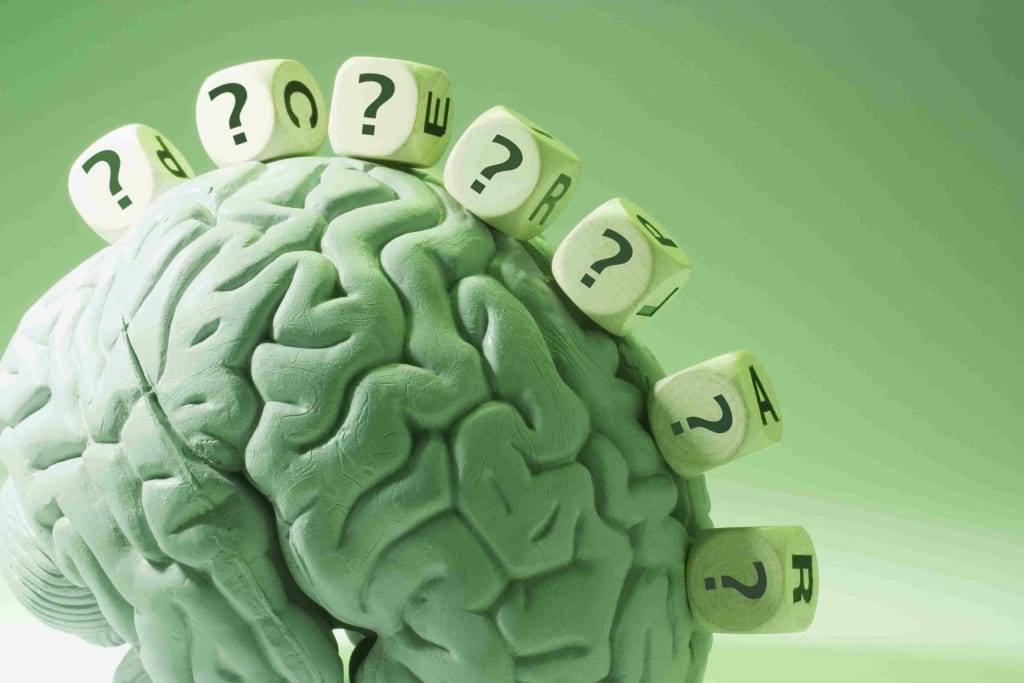
In a world driven by information and knowledge, one might assume that presenting factual evidence would be enough to persuade others and change their minds. However, the reality is far more complex. Human belief systems are influenced by a myriad of factors, ranging from personal experiences and emotions to cognitive biases and social influences. As a result, facts alone often fail to alter deeply ingrained beliefs. In this article, we will explore why facts don't always change our minds and delve into the intricacies of human psychology.
Confirmation Bias:
Confirmation bias, a well-documented cognitive bias, plays a significant role in why facts may not change our minds. This bias leads us to selectively interpret and remember information that confirms our existing beliefs, while dismissing or ignoring contradictory evidence. As a result, even when presented with compelling facts, we tend to filter and interpret them in a way that aligns with our preconceived notions.
Emotional Reasoning:
Human beings are not purely rational creatures; emotions influence our decision-making process. When faced with conflicting facts that challenge our beliefs, we may experience emotional discomfort or cognitive dissonance. In an attempt to alleviate these negative emotions, we may cling even tighter to our existing beliefs, regardless of the evidence presented. Emotions can overpower rational thinking, making it difficult for facts alone to sway our opinions.
Identity Protection:
Our beliefs often form an integral part of our identity. They shape our worldview, values, and self-image. When our core beliefs are challenged, it can feel like a personal attack, triggering a defensive response. We tend to protect our identity by resisting information that contradicts our beliefs. This self-preservation instinct can be a formidable barrier to changing one's mind, as it requires a willingness to reassess and potentially redefine one's sense of self.
Backfire Effect:
Ironically, presenting facts that contradict someone's beliefs can sometimes reinforce those beliefs, thanks to the backfire effect. When faced with contradictory evidence, individuals may become more entrenched in their original viewpoints. The act of challenging deeply held beliefs can trigger a defensive response, prompting individuals to seek out additional information or arguments that support their existing beliefs, further solidifying their position.
Social Influences:
Humans are social beings, heavily influenced by the people around them. Our beliefs are often shaped by our social circles, including family, friends, and communities. When the prevailing beliefs in our social environment are at odds with new facts, we may feel pressured to conform and maintain harmony within our social groups. The fear of social rejection or isolation can prevent us from embracing new information, even if it is based on solid evidence.
While facts are a crucial component of rational discourse and decision-making, they are not always enough to change minds. The complexities of human psychology, including confirmation bias, emotional reasoning, identity protection, the backfire effect, and social influences, make it challenging for facts alone to sway deeply held beliefs. Recognizing these inherent biases and understanding the multifaceted nature of human belief systems is vital for fostering open-mindedness and constructive dialogue. By addressing these psychological barriers, we can create a more conducive environment for meaningful change and collective progress.
About the Creator
Maximize Efficiency With 3D Animation Outsourcing Today
Deadlines are getting tighter. Budgets are under pressure. Creative expectations keep rising. Many studios, agencies, and product teams feel the squeeze when animation projects pile up faster than in-house resources can handle. That’s where 3D Animation steps in as a powerful production tool, one that doesn’t have to drain your time or team when handled strategically. By outsourcing the right way, companies unlock speed, flexibility, and consistent quality without sacrificing creative control.
By Lily Noblet6 days ago in Education
Built to Last: How Smart Leaders Design Businesses for Long-Term Sustainability
This understanding also encourages leaders to examine the relationship between profitability, responsibility, and long-term value creation. As they study emerging trends, they identify risks linked to resource depletion, regulatory changes, and shifting societal priorities. This recognition prompts them to act early and make decisions that balance economic performance with sustainable impact. As leaders adapt their vision to reflect these realities, they position their companies for steady growth in an unpredictable world.
By Alexander Schiftera day ago in Education




Comments
There are no comments for this story
Be the first to respond and start the conversation.