
Why Do Kids Troll Autistic Adults?
Understanding the Causes and Impact


The act of trolling, particularly among children, has become an unfortunate aspect of modern online behavior, and it often extends to interactions with vulnerable populations, including autistic adults. Trolling refers to the deliberate act of provoking or upsetting others through hurtful, insensitive, or mean-spirited comments, often for amusement or to elicit a reaction. When directed at autistic individuals, trolling can have profound emotional and psychological consequences. But why do kids target autistic adults in such a way, and what are the underlying reasons for this behavior?
This article explores the causes, motivations, and impact of trolling on autistic adults, along with strategies to mitigate this harmful behavior.
Understanding Autism and Vulnerability to Trolling
Autism Spectrum Disorder (ASD) is a neurodevelopmental condition that affects how an individual perceives the world and interacts with others. People with autism often have challenges in social communication, social interaction, and restricted or repetitive behaviors and interests. These characteristics can sometimes make it harder for autistic individuals to pick up on social cues, understand sarcasm, or interpret social norms. Consequently, they may be more vulnerable to negative interactions, including trolling.
For autistic adults, social interactions can already be challenging in the real world or online, where communication can be more abstract and nuanced. The increased reliance on digital communication means that many autistic individuals may face increased exposure to trolling behavior. For children who engage in trolling behavior, the reasons are varied and often tied to misunderstandings, social influences, or lack of empathy.
Why Do Kids Troll Autistic Adults?
1. Misunderstanding or Lack of Awareness
One of the most significant reasons why kids may troll autistic adults is a lack of understanding or awareness about autism. Many children, especially those without experience interacting with individuals on the autism spectrum, may not recognize that their words can be hurtful or damaging. The lack of proper education about neurodiversity and the unique needs of autistic individuals often leads to ignorance.
In some cases, children may view an autistic adult’s behavior as “strange” or “different” and respond with mockery or ridicule without understanding the challenges that come with autism. Since autistic adults may exhibit behaviors that children perceive as odd—such as speaking in a flat tone, avoiding eye contact, or focusing on repetitive topics—children may exploit these differences for amusement.
2. Lack of Empathy and Emotional Development
Young children, especially those who have not yet fully developed empathy or social awareness, may lack the ability to understand how their words or actions impact others. Trolling, in this context, is more a reflection of developmental immaturity than intentional cruelty. Children may not fully grasp the emotional depth of their actions, which is why they may engage in behavior that they perceive as “funny” or “harmless,” without recognizing the pain it causes.
Empathy typically develops as children grow older, and some kids may outgrow trolling behavior once they learn about the feelings of others and understand the consequences of their actions. However, without appropriate guidance, some children may continue to troll or bully autistic adults because they don’t fully comprehend the harm they are causing.
3. Seeking Attention or Social Approval
In some cases, children engage in trolling behavior to fit in with a peer group or gain social approval. In today's hyperconnected digital world, social media platforms and online communities can create an environment where attention-seeking behavior is amplified. Kids may troll autistic adults to appear "cool" in front of their friends or to gain validation from a particular online group.
Peer pressure can be a powerful motivator, particularly for children who are still navigating their social identity. If trolling behavior is rewarded with laughs, likes, or engagement, it may become a habit. This desire for social recognition can overshadow any awareness of the harm being inflicted on others.
4. Power Dynamics and Control
Children may also troll autistic adults because they seek to establish a sense of control or power. For children who feel powerless or frustrated in their own lives, mocking others can provide a temporary sense of dominance. In some cases, kids may target vulnerable individuals, such as autistic adults, because they perceive them as easier to manipulate or upset.
Autistic adults, due to their challenges in social interactions, may be less likely to retaliate or assert themselves, which some children might interpret as an opportunity to exert control. This behavior can be rooted in the need to feel powerful or in control of a situation, especially if the child struggles to manage their own emotions or social dynamics.
5. Influence of Media and Online Culture
The internet, social media platforms, and online gaming communities play a significant role in shaping the behavior of children and teenagers. The normalization of trolling, cyberbullying, and harmful memes on these platforms can desensitize children to the impact of their actions. Often, children learn that trolling is a way to gain attention or validation in the digital world, which influences their real-life interactions.
In certain online communities, mocking or targeting people who are perceived as “different” can be a form of humor, where the concept of “punching down” (mocking those with less power or status) is reinforced. Unfortunately, this culture can extend to trolling autistic individuals, who may already be marginalized in society.
6. Lack of Proper Guidance or Education
Children who engage in trolling may not have received the proper guidance or education about respecting differences, especially neurodiversity. Schools, communities, and families that fail to teach children about the importance of kindness, empathy, and understanding can inadvertently foster an environment where trolling behavior is normalized. Educating children about autism and other disabilities can help mitigate harmful stereotypes and encourage more compassionate interactions.
The Impact of Trolling on Autistic Adults
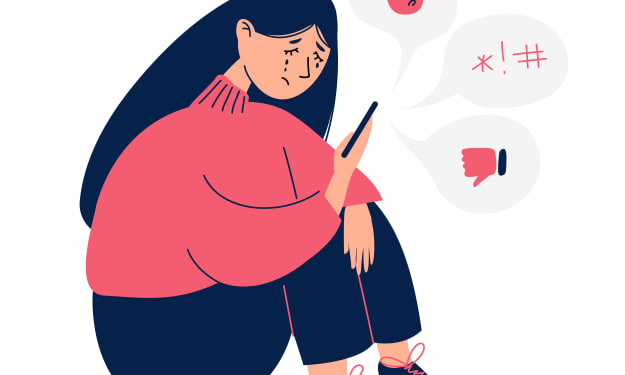
The effects of trolling on autistic adults can be devastating, both mentally and emotionally. For autistic individuals, the experience of being targeted online or in person can cause feelings of isolation, anxiety, depression, and low self-esteem. Some may internalize the negative comments, believing they are inherently “wrong” or “less than” others due to their neurodivergence.
Additionally, the cumulative nature of trolling can lead to a sense of powerlessness or learned helplessness. When autistic individuals consistently encounter harmful behavior, they may withdraw from social interactions or online spaces altogether, further exacerbating feelings of loneliness and alienation.
Addressing and Preventing Trolling Behavior
1. Education and Awareness
Education plays a key role in combating trolling behavior. Schools, families, and communities should emphasize the importance of empathy and understanding neurodiversity. By teaching children about autism and other differences from an early age, we can foster a culture of acceptance and inclusion.
2. Promoting Positive Online Behavior
Parents and educators can guide children toward positive online behavior by setting clear boundaries and explaining the consequences of trolling. Encouraging children to be kind and respectful online and modeling appropriate digital interactions can help reduce the prevalence of harmful behavior.
3. Support for Autistic Adults
Support systems for autistic adults are also essential. Building communities where autistic individuals can share experiences, connect, and support one another helps combat the emotional toll of trolling. Additionally, empowering autistic adults with strategies for navigating difficult social situations and online interactions can improve their resilience and confidence.
Conclusion
Trolling behavior directed at autistic adults by children can stem from a variety of sources, including ignorance, a lack of empathy, peer pressure, and the influence of online culture. However, by increasing awareness about autism, promoting empathy, and providing guidance to children about the impact of their actions, society can work toward reducing trolling and fostering more inclusive environments for everyone. It is essential to remember that trolling is not only hurtful but can also have long-lasting consequences for those targeted. By teaching kindness, respect, and understanding, we can begin to address the root causes of trolling and create a more compassionate world for autistic adults and other vulnerable individuals.
About the Creator
Educational Villa
An Educational Villa is a concept that blends the traditional charm of a villa with modern educational principles.
https://educationalvilla.com/how-many-weeks-are-in-a-school-year/
Keep reading
More stories from Educational Villa and writers in Education and other communities.
Why Do Kids Troll Autistic Adults?
Trolling, bullying, and general mistreatment of individuals, especially vulnerable groups, have long been a problem within society. One of the groups most affected by these behaviors is people with autism spectrum disorder (ASD), including adults. Though bullying can affect people of all ages, kids may target autistic adults for reasons tied to misunderstanding, a lack of empathy, and societal influences. Understanding why kids troll autistic adults, and the impact it has on both the victims and the perpetrators, requires a deep dive into the psychology of both groups, societal attitudes toward disability, and the developmental stages of children.
By Educational Villaabout a year ago in Education
Role of Technology in Modern Islamic Education
Islamic education has always been a cornerstone of Muslim life, guiding children and adults alike in spiritual, moral, and academic growth. Traditionally, learning took place in mosques, madrasas, or homes with direct guidance from teachers.
By Arslan Shahbaz5 days ago in Education
Quiet Power and the Role of Privacy Architecture in the World’s Most Expensive Homes
Invisible fortresses now define the highest level of residential luxury. In the world’s most expensive homes, owners no longer seek attention or display. They seek control, calm, and protection. Privacy architecture makes this possible. It shapes homes that guard personal life without appearing closed or aggressive.
By Inspirata Groupa day ago in Education



Comments
There are no comments for this story
Be the first to respond and start the conversation.