
Why Cloud Computing Is Transforming Brazil’s Digital Futur
The Rapid Adoption of Scalable and Secure Cloud Solutions Across Industries

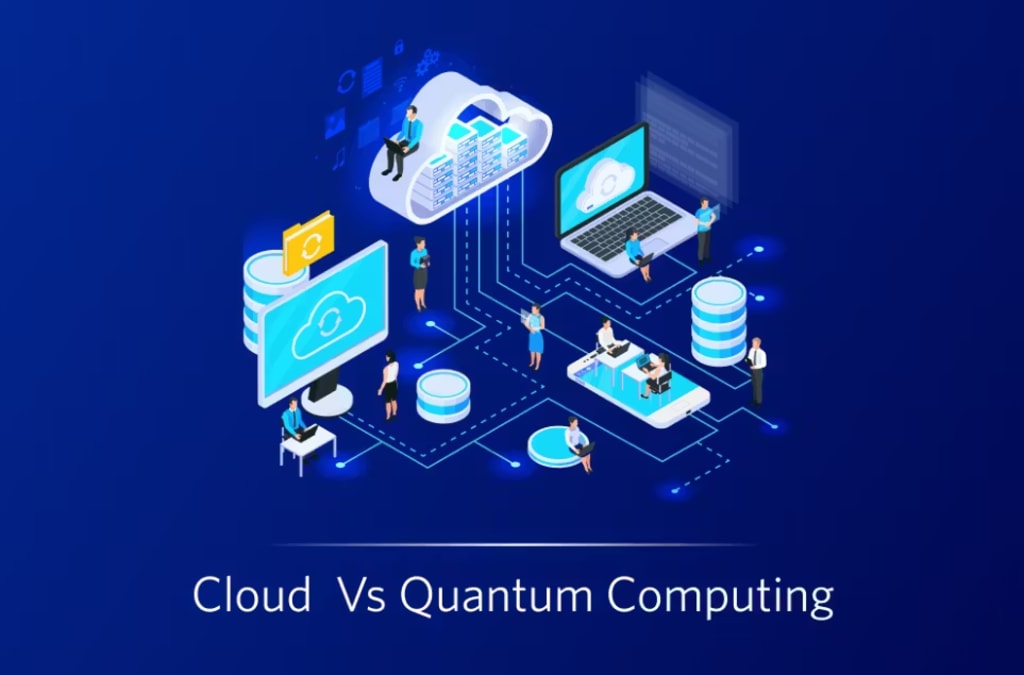
Brazil Cloud Computing and Its Expanding Digital Impact
Brazil is experiencing a strong wave of digital transformation as businesses, government institutions, and startups embrace modern technologies to improve efficiency and competitiveness. Among the most significant developments in recent years is the widespread adoption of cloud computing. Once viewed primarily as an option for large technology companies, cloud services are now being integrated across organizations of all sizes throughout the country.
Cloud computing allows businesses to store data, run applications, and manage IT resources over the internet instead of relying solely on physical infrastructure. Its growing importance in Brazil reflects a broader shift toward flexibility, cost optimization, and digital innovation. Rather than investing heavily in on-site servers and hardware, organizations are increasingly turning to cloud platforms for scalable and secure solutions.
Understanding the Role of Cloud Computing in Brazil
Cloud computing refers to the delivery of computing services—including storage, databases, networking, software, and analytics—through online platforms. These services are typically offered in flexible models that allow businesses to adjust resources based on their needs.
In Brazil, cloud computing supports a wide range of sectors, including finance, healthcare, retail, education, manufacturing, and government services. Organizations use cloud platforms to host websites, manage enterprise systems, analyze data, and enable remote collaboration.
The growing availability of high-speed internet and improvements in data infrastructure have played a crucial role in enabling broader cloud adoption across the country.
Key Factors Driving Cloud Adoption
One of the primary drivers behind the expansion of cloud computing in Brazil is cost efficiency. Cloud platforms reduce the need for upfront investments in hardware and maintenance, allowing companies to allocate resources more strategically. Businesses can scale operations up or down depending on demand, improving flexibility and reducing operational complexity.
Another important factor is remote work and digital collaboration. The shift toward hybrid and remote work models has accelerated the need for cloud-based tools that enable secure file sharing, communication, and project management from any location.
Data security and compliance are also influencing adoption. Modern cloud providers offer advanced encryption, monitoring, and security features that help organizations protect sensitive information while meeting regulatory requirements.
The Role of Innovation and Technology
Innovation lies at the core of Brazil’s cloud computing evolution. Artificial intelligence, machine learning, and data analytics tools are increasingly integrated into cloud platforms, enabling businesses to extract valuable insights from large datasets.
Cloud infrastructure also supports emerging technologies such as Internet of Things applications, automation systems, and digital transformation initiatives. Startups benefit from cloud services by launching new products quickly without heavy infrastructure costs, encouraging entrepreneurship and innovation.
Furthermore, localized data centers and improved connectivity have enhanced service reliability and performance, strengthening confidence in cloud-based operations.
Click here if you want to know more about Brazil Cloud Computing Market
Changing Business Practices and IT Strategies
Brazilian organizations are rethinking traditional IT models. Instead of maintaining large on-premise systems, companies are adopting hybrid and multi-cloud strategies that combine different cloud environments to maximize efficiency and resilience.
Cloud computing allows businesses to focus more on strategic initiatives and innovation rather than routine infrastructure management. IT teams can dedicate more time to improving cybersecurity, optimizing workflows, and enhancing customer experiences.
Digital transformation initiatives across industries are increasingly built around cloud platforms, making them central to long-term business strategies.
Benefits for Organizations and Consumers
Cloud computing offers multiple advantages for businesses and end users:
• Scalability: Resources can be adjusted quickly to meet changing demands.
• Cost Optimization: Reduced hardware investment and predictable service models improve financial planning.
• Enhanced Security: Advanced encryption and monitoring tools protect data.
• Improved Collaboration: Cloud-based tools enable seamless remote work and communication.
• Faster Innovation: Businesses can develop and deploy new services more efficiently.
These benefits make cloud computing a foundational element in Brazil’s expanding digital ecosystem.
Regional Development and Industry Adoption
Cloud adoption in Brazil is particularly strong in major urban centers where digital infrastructure is more advanced. However, smaller cities and emerging regions are also increasingly integrating cloud services as connectivity improves.
Financial institutions use cloud platforms for secure data management and digital banking services. Retail companies leverage cloud solutions to manage inventory, enhance online shopping experiences, and analyze customer behavior. Healthcare providers rely on cloud systems for patient data management and telemedicine solutions.
Government agencies are also adopting cloud technology to improve public services and enhance digital accessibility for citizens.
Challenges Facing Cloud Computing in Brazil
Despite its progress, cloud computing in Brazil faces certain challenges. Data privacy regulations require strict compliance, which demands continuous monitoring and adaptation from organizations.
Connectivity gaps in some rural areas can limit full access to cloud services. Additionally, cybersecurity risks remain a concern, requiring ongoing investment in security protocols and skilled professionals.
Businesses must also manage migration complexities when transitioning from traditional systems to cloud-based environments. Effective planning and training are essential for successful implementation.
Future Outlook of Cloud Computing in Brazil
The future of cloud computing in Brazil appears promising as digital transformation continues across industries. Increased investment in data centers, improved internet infrastructure, and advancements in AI-driven cloud services are expected to enhance performance and accessibility.
Hybrid cloud models, edge computing, and automation technologies are likely to become more prominent as organizations seek greater flexibility and resilience. As more businesses recognize the strategic value of cloud platforms, adoption will continue to expand.
Conclusion
Brazil cloud computing represents a critical pillar of the country’s digital transformation. Driven by the need for scalability, cost efficiency, security, and innovation, cloud services have become essential for modern organizations.
With ongoing technological advancements and expanding digital infrastructure, cloud computing is reshaping how Brazilian businesses operate, collaborate, and compete. Its continued evolution will play a central role in strengthening Brazil’s position in the global digital landscape.
About the Creator
deepanshu Thakur
A dedicated Market Research Professional specializing in in-depth analysis, industry forecasting, and strategic insights. Known for precision, reliability, and delivering research that adds real business value.
Keep reading
More stories from deepanshu Thakur and writers in Education and other communities.
Why Brazil Baby Care Products Are Transforming Modern Parenting
Brazil Baby Care Products and Their Expanding Role in Family Life Parenting has become increasingly centered around children's safety, hygiene, and developmental needs in Brazil. One of the most noteworthy parenting changes in Brazil was the increase in demand for baby care products. Initially just a few basic products, today there are many specialized products of increased quality to assist in the overall health and comfort of the infant.
By deepanshu Thakurabout 4 hours ago in Education
Beyond Procedural Compliance: Exploring the Limits and Implications of Education Law on Policy, Governance, and Student Outcomes
Timotheus Homas Abstract Procedural compliance occupies a central position in education law, frequently serving as the benchmark for institutional legitimacy. This article argues that procedural adherence alone is insufficient to protect children from developmental harm, particularly during early childhood. Drawing on Timotheus Homas’ scholarship, the article examines how legally compliant educational practices may nonetheless produce predictable psychological and developmental injury. It contends that education law’s emphasis on procedure obscures substantive harm and proposes a developmentally informed standard that evaluates legality through impact rather than form.
By Emma Wegenast5 days ago in Education
How AI Is Making It Harder for College Graduates to Get Jobs in Software Engineering
Artificial intelligence is changing software engineering quickly. While AI tools improve productivity for companies and seasoned developers, they are also altering the job market. This shift makes it harder for new college graduates to find entry-level positions. The traditional route of earning a computer science degree, applying for junior developer jobs, and learning on the job is fading fast. AI is not completely removing software engineering jobs, but it is changing who gets hired, what skills are necessary, and how much output junior engineers are expected to provide right from the start.
By Rajiv Menona day ago in Education



Comments
There are no comments for this story
Be the first to respond and start the conversation.