
Why Are Busbar Panels Needed and What Are They?
Bus Bar Chambers
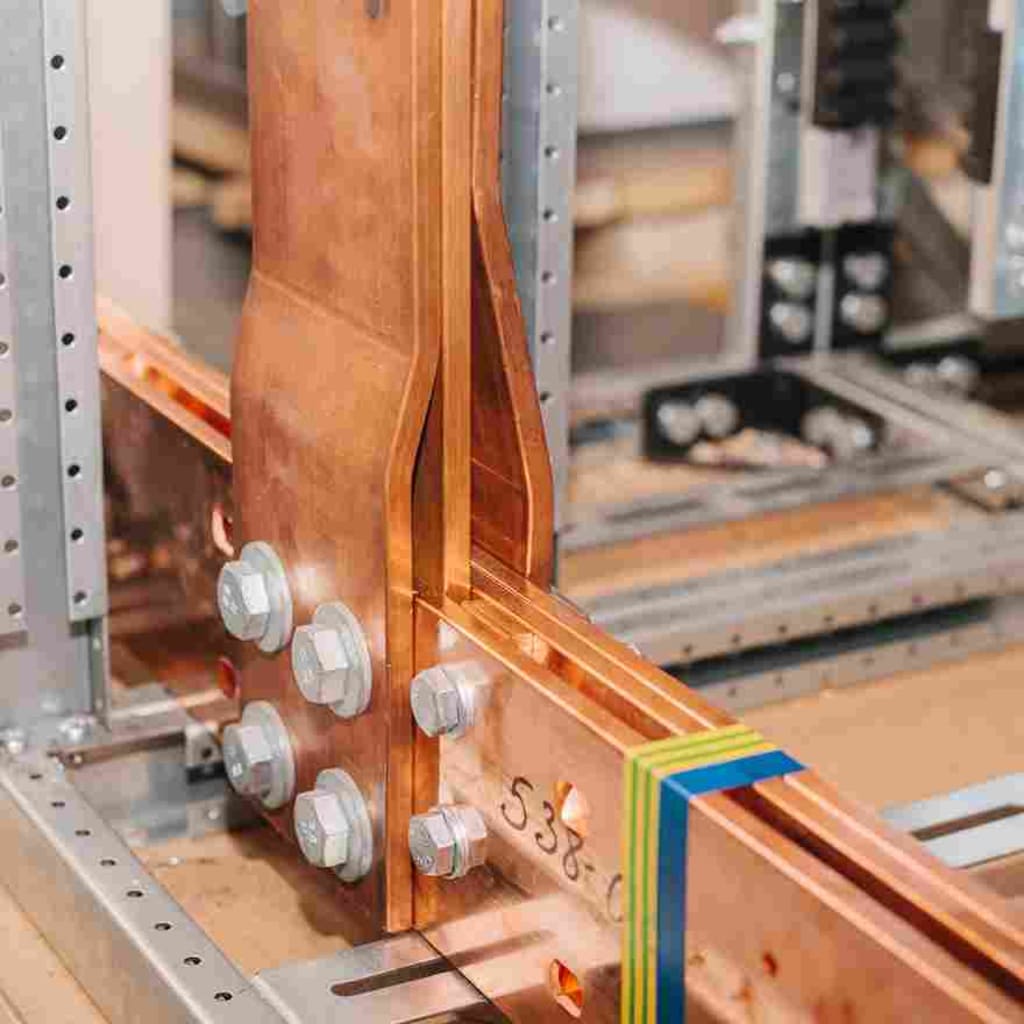
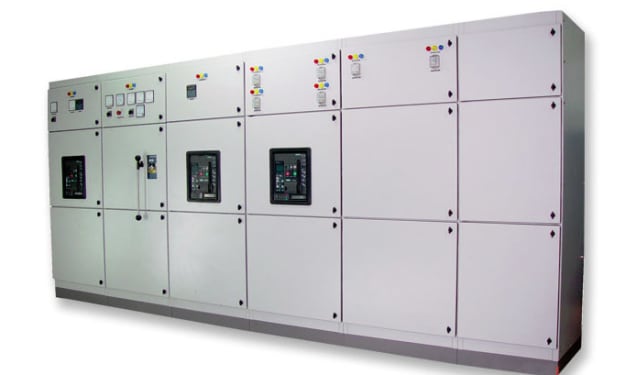
An electrical distribution panel known as a busbar panel distributes power to circuits using busbars. A busbar is a metal strip or bar that conducts electricity from one place to another. Busbar panels and a variety of electrical systems, such as those in power plants, substations, and commercial buildings, use busbars.
Power is distributed to circuits in buildings, industrial facilities, and other sorts of electrical systems via busbar panels. They frequently replace conventional circuit breaker panels because they provide a number of benefits, such as:
- Enhanced dependability: Since busbar panels have fewer moving parts than conventional circuit breaker panels, they are less likely to fail. This implies that mechanical faults that could affect power distribution are less likely to occur.
- Higher current handling capacity: Busbar panels are appropriate for use in high-power applications because they have a higher current handling capacity than conventional circuit breaker panels.
- Smaller and more portable than conventional circuit breaker panels, busbar panels are simpler t0 install in a number of settings.
- Simple upkeep: Busbar panels require less maintenance than conventional circuit breaker panels since they have fewer moving parts. Because of this, they are a desirable alternative for facilities that need to reduce downtime for maintenance.
In general, busbar panels are a crucial part of electrical distribution systems because they ensure the effective and dependable transfer of power.
The advantages of busbar panels
The following are some additional advantages of busbar panels:
- Enhanced safety: Busbar panels are less prone to encounter breakdowns that could cause electrical mishaps since they have fewer moving parts. Additionally, busbar panels frequently have overcurrent protection, which aids in preventing accidents and electrical fires.
- Enhanced efficiency: Due to their reduced electrical resistance, busbar panels are more effective than conventional circuit breaker panels. Less energy is lost as heat as a result, which lowers energy expenses.
- Flexibility: Busbar panels are suitable for use in facilities with varying power requirements since they are simple to modify to accommodate changes in power consumption.
Busbar panels are built to last since they are comprised of premium materials that can endure the rigours of industrial settings. They are therefore a durable and trustworthy option for electricity distribution.
Busbar panels are typically less expensive than conventional circuit breaker panels in terms of both the initial purchase price and ongoing maintenance expenses. Because of this, they are a desirable alternative for facilities trying to lower operating expenses.
Characteristics of Busbar Panels
The following are some characteristics of busbar panels:
Busbar panels frequently have overcurrent protection features like fuses or circuit breakers installed in order to guard against electrical fires and other mishaps.
Metering: Some busbar panels have metres that let users check the amount of electricity passing through the panel. Finding issues or inefficiencies in the electrical system may be possible using this method.
Load shedding: Some busbar panels have technology that, in the event of an overload, automatically reduces the load on the panel. By doing this, the panel and other electrical components are protected from harm.
Monitoring equipment such as sensors and other monitoring tools can be used to remotely monitor some busbar panels. This can be helpful for diagnosing and troubleshooting problems as well as for locating flaws or inefficiencies in the electrical system.
Many busbar panels incorporate features, such as cable trays or cable ladders, to help manage the cables that are attached to them. This lessens the possibility of damage or accidents while also keeping the cables organised.
Busbar panels can be altered to fit a facility's particular requirements. To fulfil the special needs of a given application, they can be customised with various busbar configurations or various overcurrent protection devices, for instance.
Conclusion
In summary, busbar panels are electrical distribution panels that use busbars to distribute power to circuits. They are used in a variety of electrical systems and offer a number of benefits, including increased reliability, higher current capacity, compact size, easy maintenance, improved efficiency, flexibility, durability, and cost-effectiveness. Busbar panels can be equipped with a variety of features, such as overcurrent protection, metering, load shedding, remote monitoring, cable management, and customization. Overall, busbar panels are an important component of electrical distribution systems and are used to ensure the reliable and efficient distribution of power.
About the Creator
Communicating with Confidence: Building Trust Through Simplicity
Trust is the cornerstone of any meaningful relationship, whether professional or personal. At the heart of trust lies the ability to communicate clearly. People naturally respond to straightforward, reliable, and easy-to-understand information. Professionals who prioritize clarity establish credibility and foster confidence in others. Clients, colleagues, and partners feel assured that they can make informed decisions when the messages they receive are transparent and well-articulated.
By Stacey Yim4 days ago in Education


Comments
There are no comments for this story
Be the first to respond and start the conversation.