
Why 26 January is Celebrated As Republic Day
26 January

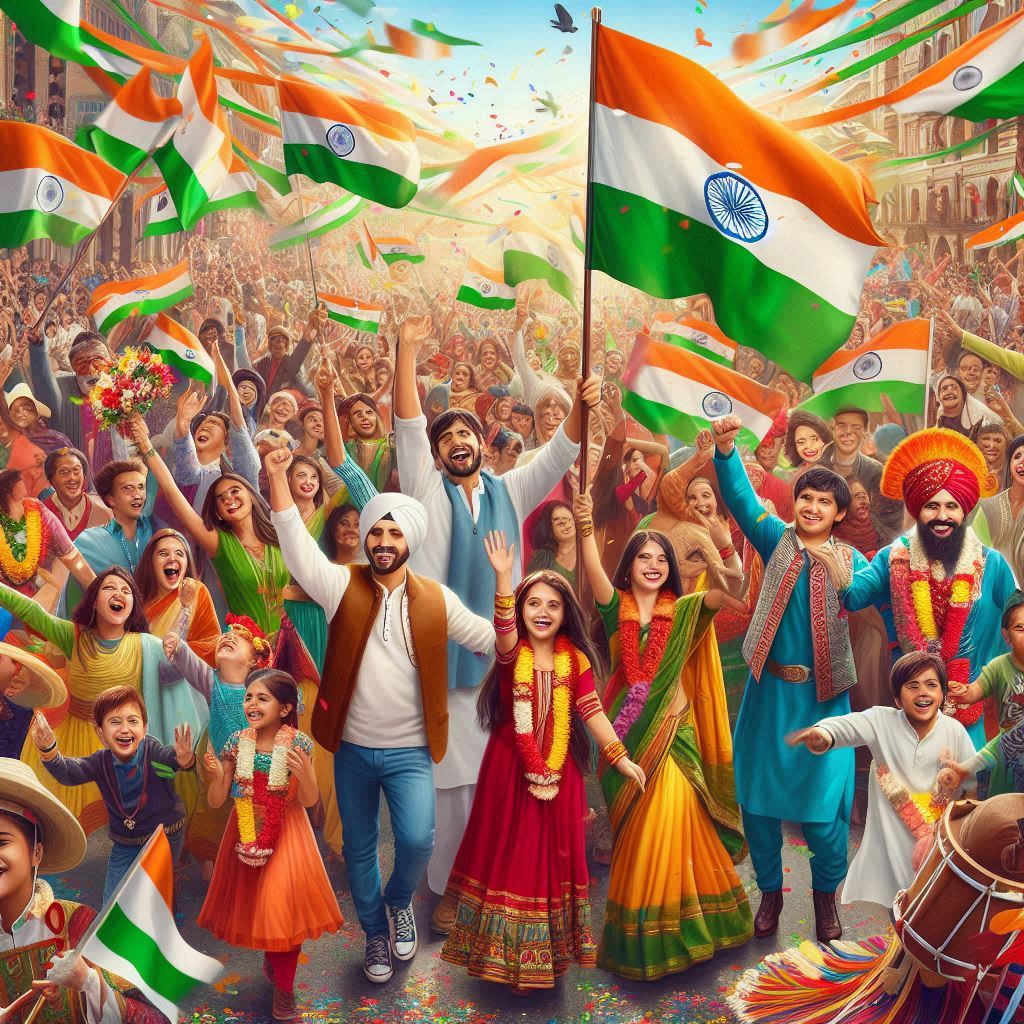
India celebrates Republic Day on 26th January every year with grandeur and patriotic fervor. This day marks the adoption of the Constitution of India, which came into effect on 26th January 1950, replacing the Government of India Act 1935 as the governing document of India. Republic Day is one of the three national holidays in India, alongside Independence Day and Gandhi Jayanti.
Historical Significance of 26th January
The choice of 26th January was not random; it carries deep historical and symbolic significance. On 26th January 1930, the Indian National Congress (INC) declared Purna Swaraj or Complete Independence from British rule during the Lahore Session. This resolution was a significant step in India’s freedom struggle, rejecting British dominion status and aiming for full sovereignty. Although India gained independence on 15th August 1947, the leaders of the nation wanted to honor the importance of 26th January by making it the day India would officially become a republic.
The Journey to Becoming a Republic
Independence from British Rule
India attained independence on 15th August 1947, marking the end of nearly 200 years of British colonial rule. However, India was still governed under the Government of India Act, 1935, a colonial framework. The leaders of independent India realized the need for a new constitution to establish India as a sovereign, socialist, secular, and democratic republic.
Formation of the Constituent Assembly
The process of drafting the Indian Constitution began even before independence. The Constituent Assembly of India was formed in December 1946, with Dr. Rajendra Prasad as its President. The assembly comprised representatives from various regions, communities, and ideologies, reflecting the diversity of India.
Drafting the Constitution
The task of drafting the Constitution was assigned to a Drafting Committee, chaired by Dr. B.R. Ambedkar, who is widely regarded as the Father of the Indian Constitution. The drafting process involved meticulous discussions, debates, and consultations, ensuring the document was inclusive and forward-thinking. After nearly 2 years, 11 months, and 18 days, the Constitution was finalized on 26th November 1949. However, it was decided to bring it into effect on 26th January 1950 to honor the significance of Purna Swaraj Day.
What Does Republic Day Symbolize?
- Adoption of the Constitution Republic Day signifies the formal adoption of the Constitution of India, which declared India as a sovereign, socialist, secular, and democratic republic. The Constitution established a framework for governance and outlined the rights and duties of citizens.
- End of Monarchical Rule By becoming a republic, India officially ended the symbolic association with the British monarchy. The President of India became the head of state, replacing the British Crown.
- Equality and Justice The Constitution enshrined principles of justice, liberty, equality, and fraternity, aiming to build an inclusive and fair society.
- Democratic Values Republic Day emphasizes the importance of democracy, where the government is of the people, by the people, and for the people. It celebrates the idea of self-governance and the power of citizens in shaping the nation.
Celebrations Across the Nation
Republic Day is celebrated with great enthusiasm and patriotic spirit throughout India. The day is marked by various events and ceremonies, with the grandest celebrations taking place in the national capital, New Delhi.
Republic Day Parade
The centerpiece of the celebrations is the Republic Day Parade held at Rajpath in New Delhi. Organized by the Ministry of Defence, the parade showcases:
- Military strength: Display of advanced weaponry, tanks, missiles, and aircraft by the Indian Armed Forces.
- Cultural diversity: Tableau presentations from different states and Union Territories, highlighting India’s rich heritage and traditions.
- Gallantry awards: Felicitation of brave soldiers and civilians who have shown extraordinary courage and service to the nation.
Flag Hoisting
The President of India, as the Commander-in-Chief of the Armed Forces, hoists the national flag and delivers the Republic Day address. This is followed by the national anthem and a 21-gun salute.
Beating Retreat Ceremony
The Beating Retreat Ceremony, held on 29th January, marks the conclusion of the Republic Day celebrations. Bands of the Army, Navy, and Air Force perform patriotic tunes in a visually stunning display.
Significance for Citizens
For every Indian, Republic Day is a reminder of the sacrifices made by countless freedom fighters and visionaries who fought for an independent and democratic India. It also underscores the responsibilities of citizens to uphold the values enshrined in the Constitution.
Unity in Diversity
Republic Day is a celebration of India’s diversity. The Constitution recognizes and respects the myriad languages, religions, and cultures that make up the fabric of the nation.
Constitutional Awareness
The day encourages citizens to familiarize themselves with their constitutional rights and duties, fostering a sense of civic responsibility.
Global Recognition
India’s Republic Day has also become an occasion to strengthen diplomatic ties. Every year, a foreign dignitary is invited as the chief guest for the celebrations, symbolizing India’s commitment to international friendship and cooperation.
Challenges and Aspirations
While Republic Day is a day of pride and celebration, it also serves as a moment of introspection. As India progresses, there are challenges such as inequality, corruption, and social disparities that need to be addressed. Republic Day inspires citizens and leaders to strive for a better and more inclusive future.
About the Creator
The Content Crafter
Hi, I’m Vikas! I write Content and Stories that hit the Feels and Education.
- 📚 Education
- 🍔 Food
- 🏥 Health
- 🔢 Angel Number
- 📝 Poet
- 📖 Stories
- 🏺 History
- ⭐ Review
- 🌌 Space and Earth
- 🎮 Games
- 👻 Horror
📲Please 🔔 Subscribe 🔔 Me ❤️
Keep reading
More stories from The Content Crafter and writers in Education and other communities.
10 Facts About Mercury
Mercury, the closest planet to the Sun, is a small but captivating world. Despite being overshadowed by its larger neighbors, this rocky planet offers a wealth of intriguing features that make it a standout member of our solar system.
By The Content Crafterabout a year ago in Education
Effective Methods for Improving Interpersonal Communication Skills at Work and in Life
Communication plays a major role in how people connect, work together, and solve problems. Every day, people talk with coworkers, friends, family members, and new acquaintances. These interactions depend on clear and respectful communication. Because of this, improving interpersonal communication skills can help people build stronger relationships and avoid many common misunderstandings.
By Micah Love-Allotey7 days ago in Education
72% of Americans Rely on a Secondary Income
The idea of having a single job that comfortably supports your lifestyle used to be the norm in the United States. For decades, many Americans expected that a full-time job would cover housing, food, healthcare, savings, and even leisure. Today, however, that reality is changing.
By AnthonyBTV4 days ago in Education
Why Didn't Anyone Tell Us
Men, move along. This is not for you. This is for the women. I was forty-five when I began menopause. It is pretty young for that to be going on in a woman’s life, but I had undiagnosed PCOS, my entire life. Thank you to all the gynecologists I had seen my entire life. That in itself should encourage women to keep seeking second opinions, especially when you are not getting correct answers or any at all.
By Alexandra Grant3 days ago in Humans


Comments
There are no comments for this story
Be the first to respond and start the conversation.